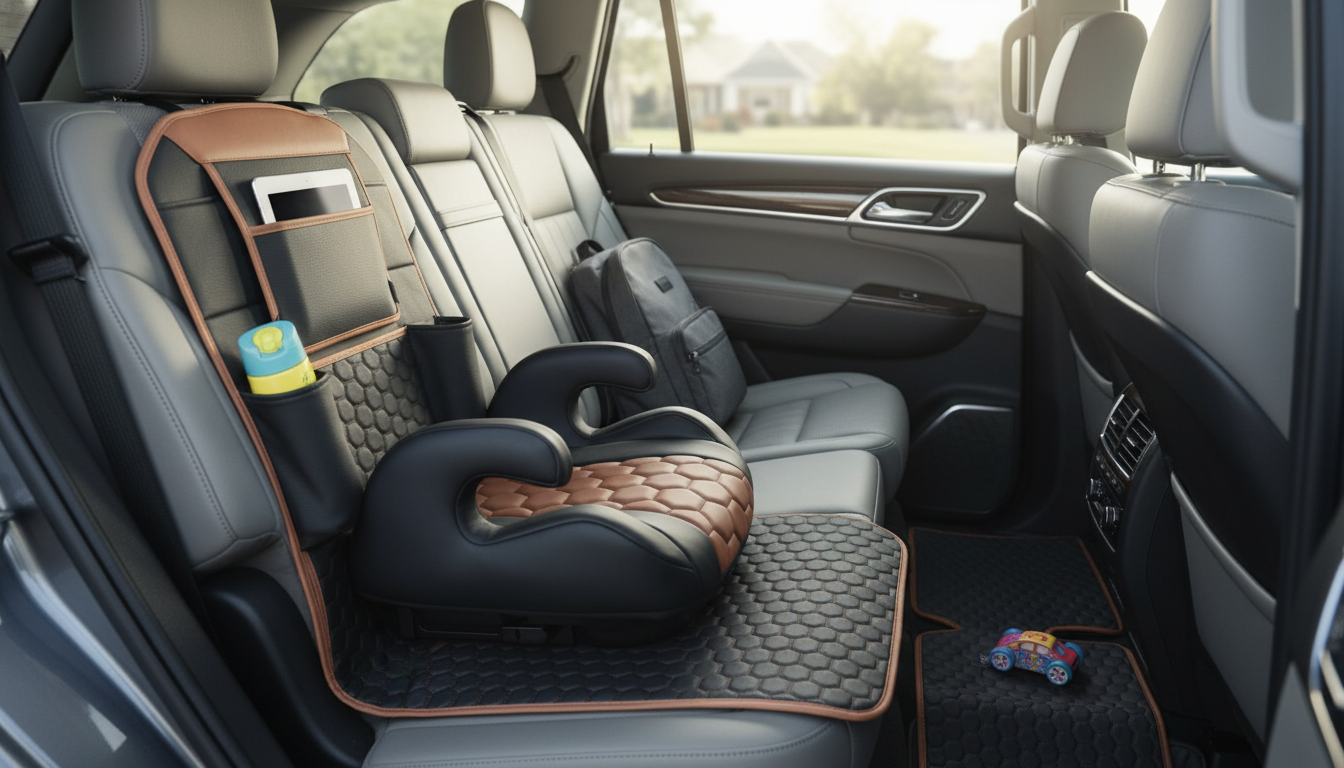
A well-set-up backseat can make daily commutes and long road trips feel easier—less clutter on the floor, fewer mid-drive distractions, and more comfort for passengers. A bundle approach pairs coordinated storage and comfort pieces designed to keep essentials within reach and the cabin looking tidy. The goal is simple: passengers know where things live, items stay put, and the vehicle feels reset-ready after every stop.
The backseat tends to become a “catch-all” zone. A coordinated storage-and-comfort system helps prevent the most common pain points that build up over time:
When everything has a dedicated pocket or bin, the ride feels calmer—especially with kids, carpools, rideshares, or frequent weekend plans.
Most comfort-and-organization bundles work best when they cover both “during the ride” needs and “at destination” storage. That’s why the combination of a seat-back organizer plus a trunk organizer is so effective, with comfort-focused add-ons rounding out the passenger experience.
| Component | Best for | Where it goes | Typical items to store |
|---|---|---|---|
| Seat-back organizer | Everyday grab-and-go | Back of front seat | Wipes, tissues, tablets, small books, chargers, water bottles |
| Trunk organizer | Bulk storage and stability | Trunk/cargo area | Emergency kit, groceries, sports gear, spare clothes, cleaning supplies |
| Comfort add-on (varies by set) | Passenger comfort and routine | Backseat area | Travel pillows, blankets, kid essentials, ride-comfort items |
A coordinated set is designed to place items where they’re naturally used—seat-back pockets for in-ride access and trunk storage for heavier, bulkier gear. That separation reduces the common problem of stacking multiple organizers that crowd legroom or interfere with seat movement.
If you’re building a matched system, start with the Backseat Comfort Bundle | Owleys, then refine with add-ons that match your passengers’ routines.
The easiest systems are the ones that match how passengers actually behave. A practical setup focuses on clear zones and minimal steps.
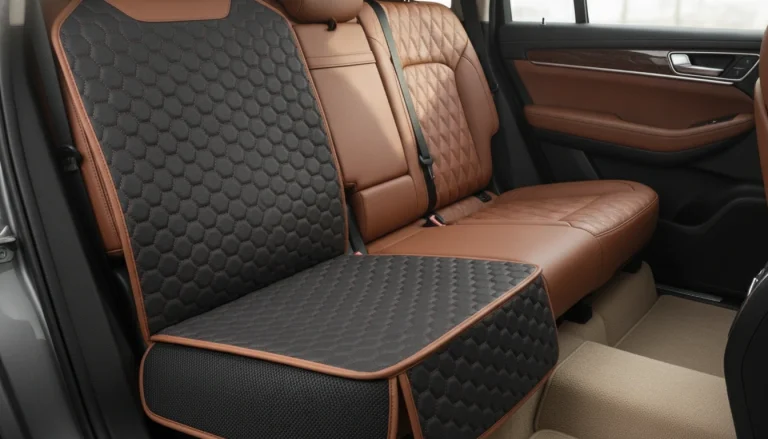
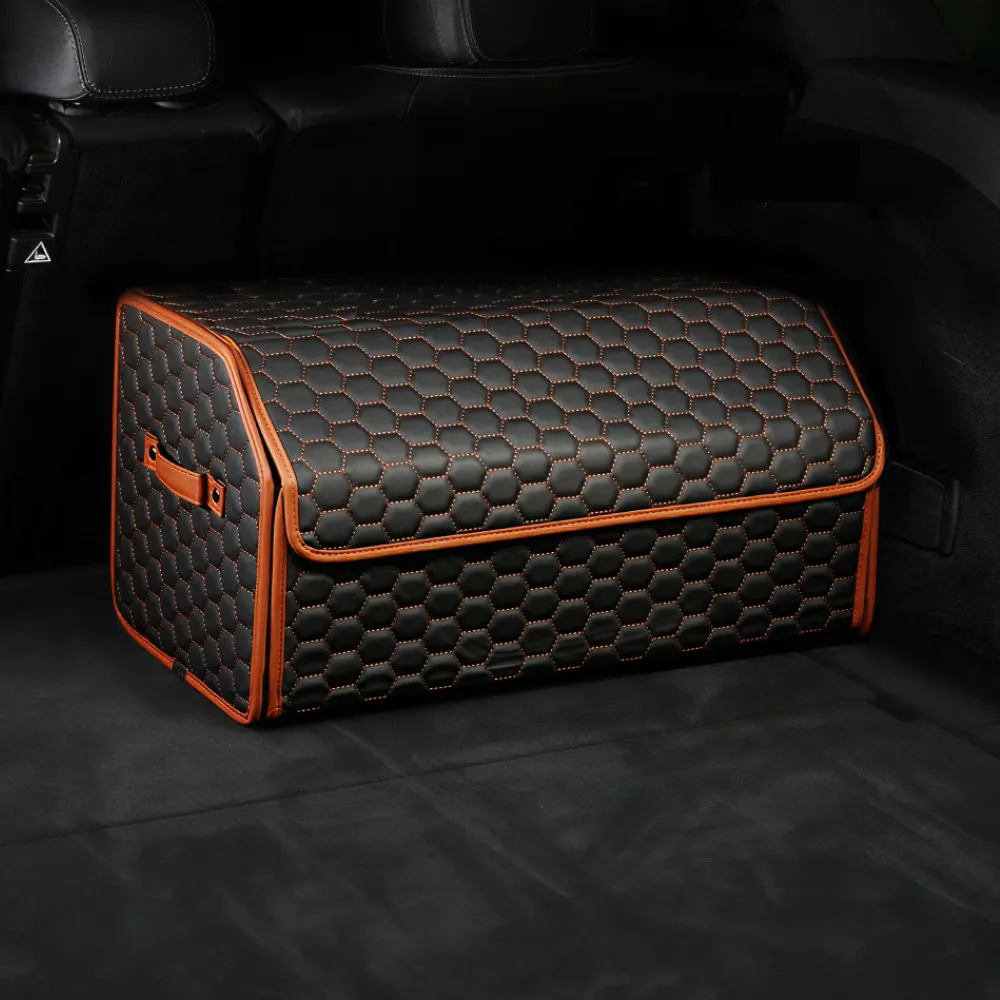
Use a seat-back organizer like Car Back Of Seat Organizer | “Hexy” by Owleys for the things you reach for while seated (tissues, wipes, a small book, headphones). Then keep the heavier and less frequently accessed items in the cargo area with Car Trunk Organizer | 17.7 in – “Hexy” by Owleys—think emergency kit, extra layers, sports equipment, and cleanup supplies.
Once zones are set, packing becomes a quick repeatable routine. Here are streamlined lists that stay useful without turning into a clutter magnet.
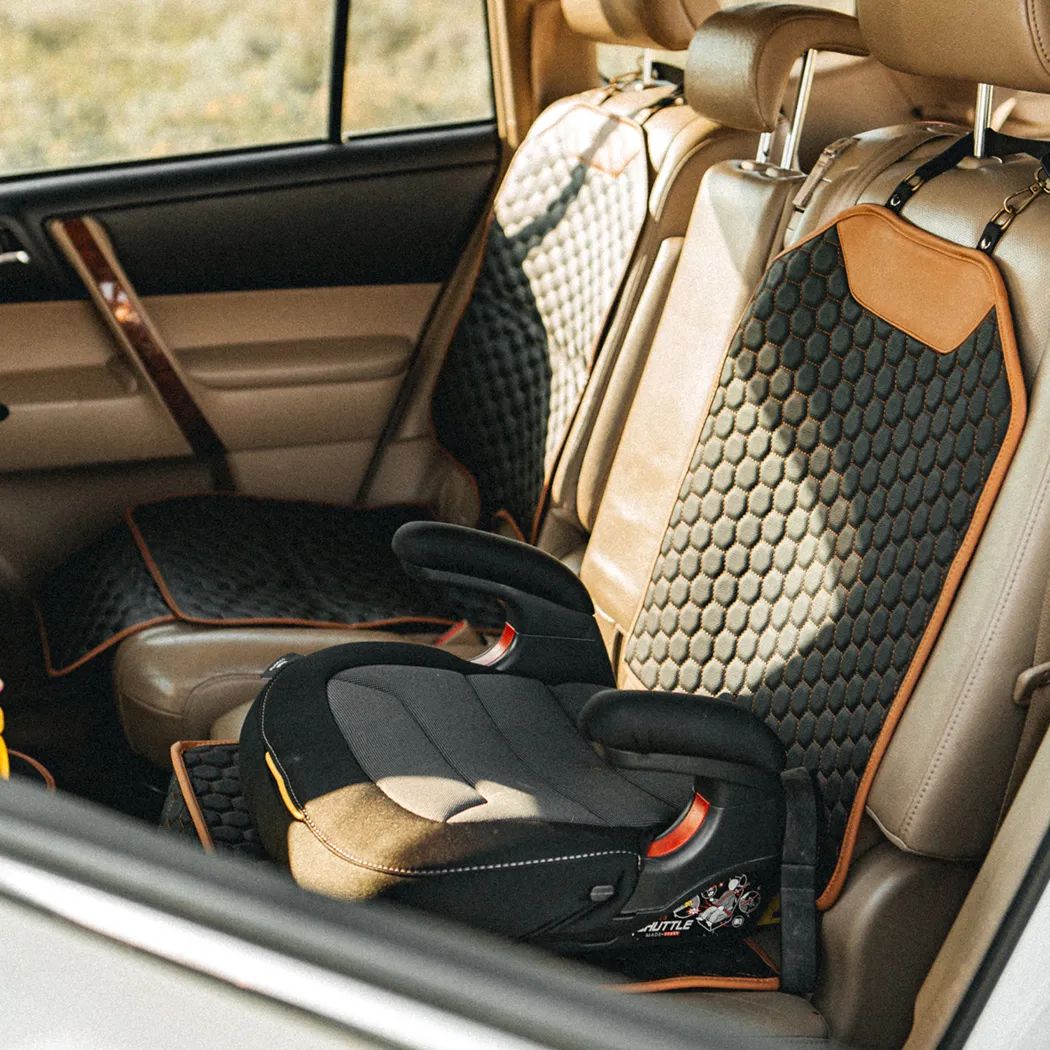
If a child is transitioning to a booster, choose a setup that supports proper seating and minimizes squirmy repositioning. A secure booster option like Backless Booster Seat with LATCH | “Snug Bug” by Owleys can help keep seating consistent while you keep essentials organized within reach. For broader child passenger guidance, consult NHTSA’s car seats and booster seats resource and the CDC’s child passenger safety information.
Most bundles are designed to work in common sedans and SUVs: seat-back organizers attach to front seats, and trunk organizers sit in the cargo area. Measure your seat-back width/height and confirm your headrest and seat layout can accommodate straps and buckles without interfering with seat controls.
Use the seat-back organizer for lightweight, frequently used items during the ride (wipes, tissues, small books, chargers, headphones). Use the trunk organizer for heavier, bulk items and kits (emergency supplies, sports gear, groceries, spare clothes), keeping the backseat area open and easier to reset.
Stick to defined zones, add a small trash solution, and do a quick “one-touch reset” at the end of each drive. A weekly 3-minute refresh—shake out organizers, wipe surfaces, and restock—keeps the system from slowly drifting back into chaos.
Join the Owleys Adventure Club and get exclusive access to Red, White & Road-Ready deals with savings up to 35% OFF from July 23.

Choose the adventure that speaks to you and receive tailored recommendations from the Owleys Adventure Club.
Get ready for exclusive member discounts, early access to new products, special gifts, and travel inspiration from the Owleys team.
Your guide will arrive within 5 minutes.Please ensure all fields are completed correctly.
error

Leave a comment