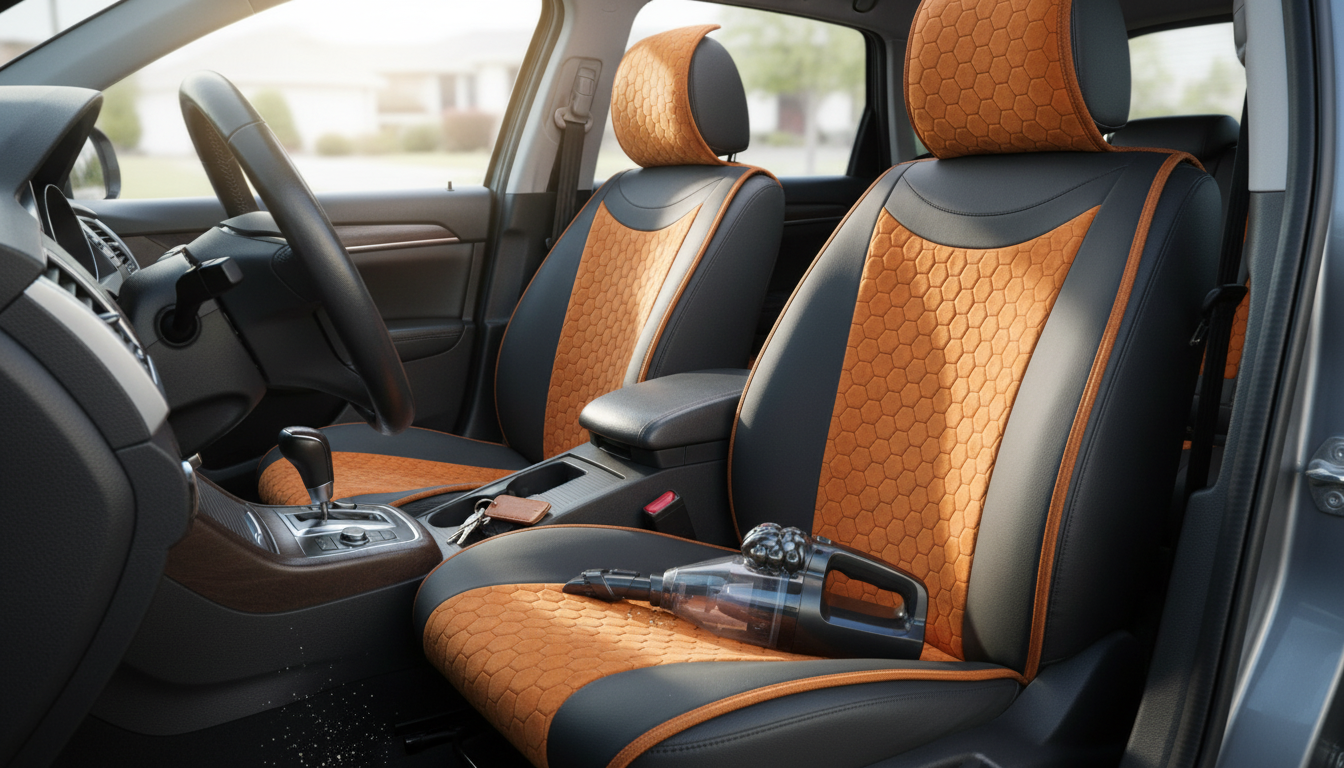
A clean car feels calmer, saves time on daily routines, and makes every trip more enjoyable. The Clean Car Combo bundles practical essentials that help reduce clutter, protect key surfaces, and keep frequently used items within reach—without turning the cabin into a storage unit. Instead of chasing messes after they spread, this approach creates “homes” for the stuff that shows up every day and makes quick resets realistic.
Small messes tend to “migrate”: a charger becomes three cables, a water bottle rolls under a seat, and a single receipt turns into a pile. A combo system works best when it reduces decision-making—so putting something away feels as easy as dropping it on the passenger seat.
The value of a combo isn’t just having storage—it’s having the right storage in the right zones. The most effective setups blend organization, protection, and easy-reset materials so the cabin stays stable even when the week gets hectic.
| Common issue | Where it shows up | How the combo helps | Reset time |
|---|---|---|---|
| Cables, sunglasses, chargers everywhere | Front seats, center console | Keeps small items grouped and reachable | 30–60 seconds |
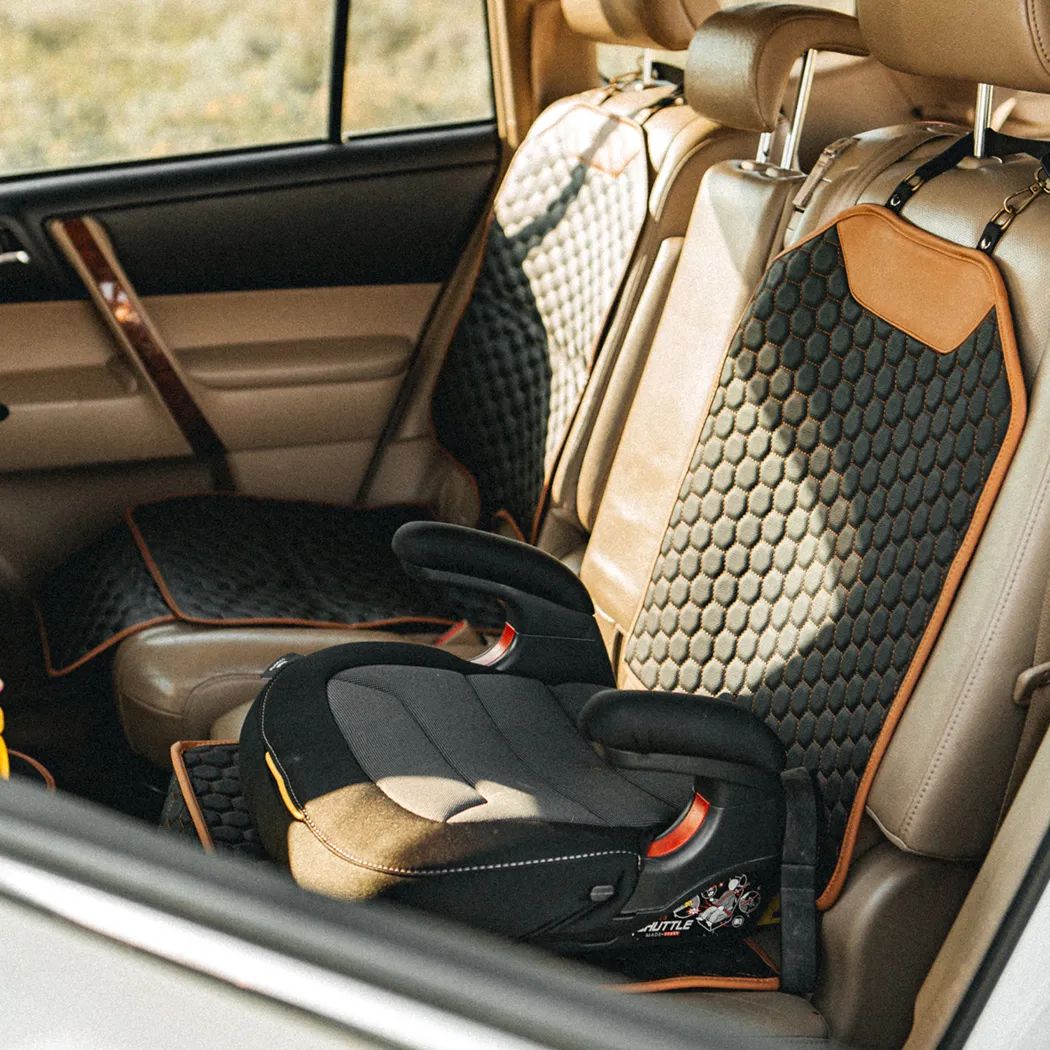
| Kids’ clutter (toys, wipes, snacks) | Back seat, floor | Creates dedicated pockets or zones for daily essentials | 1–2 minutes |
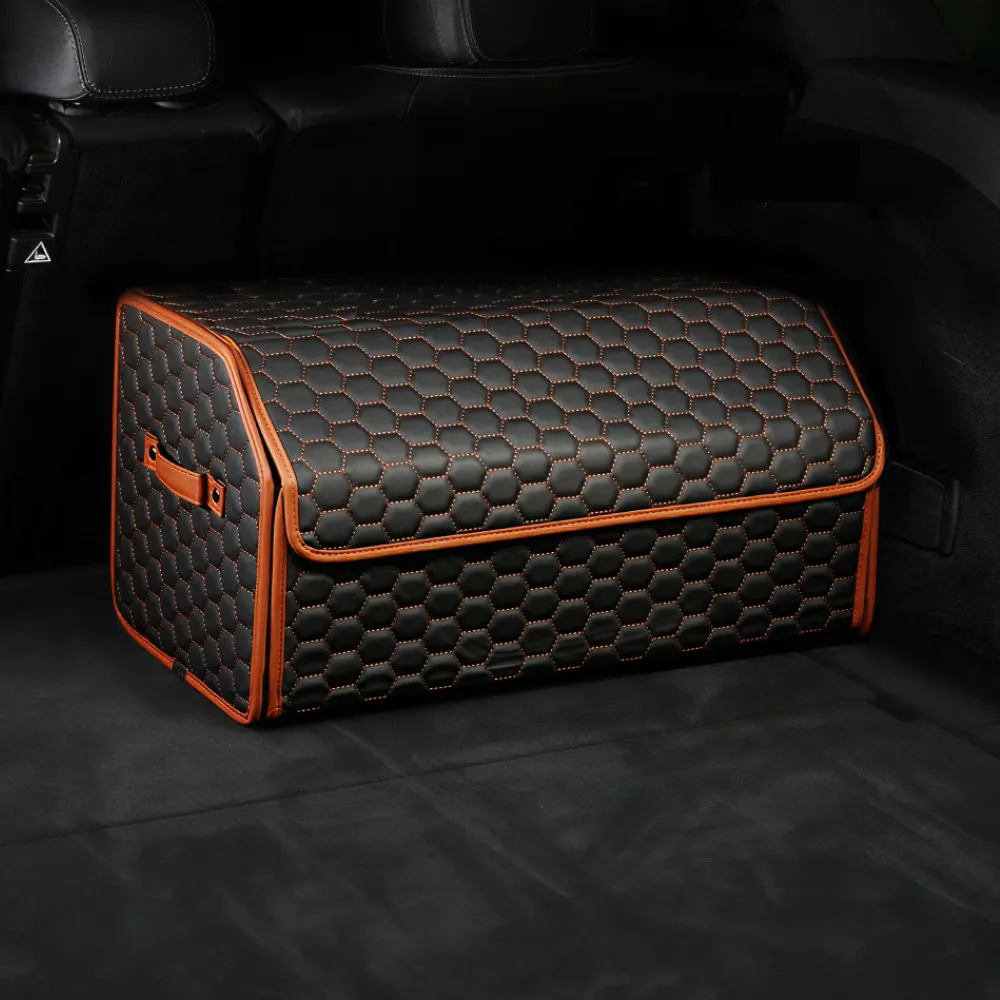
| Groceries tipping or spilling | Trunk/cargo area | Adds structure so bags stay upright and separated | 1–3 minutes |
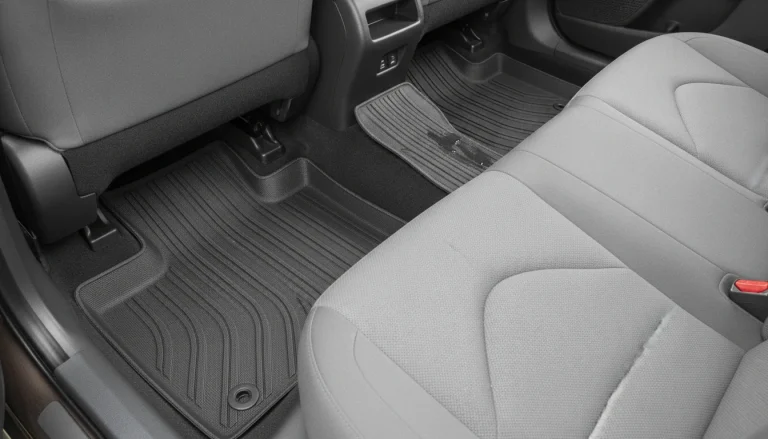
| Mud, sand, and winter debris | Footwells and seat edges | Helps contain and reduce spread so cleanup stays localized | 2–5 minutes |
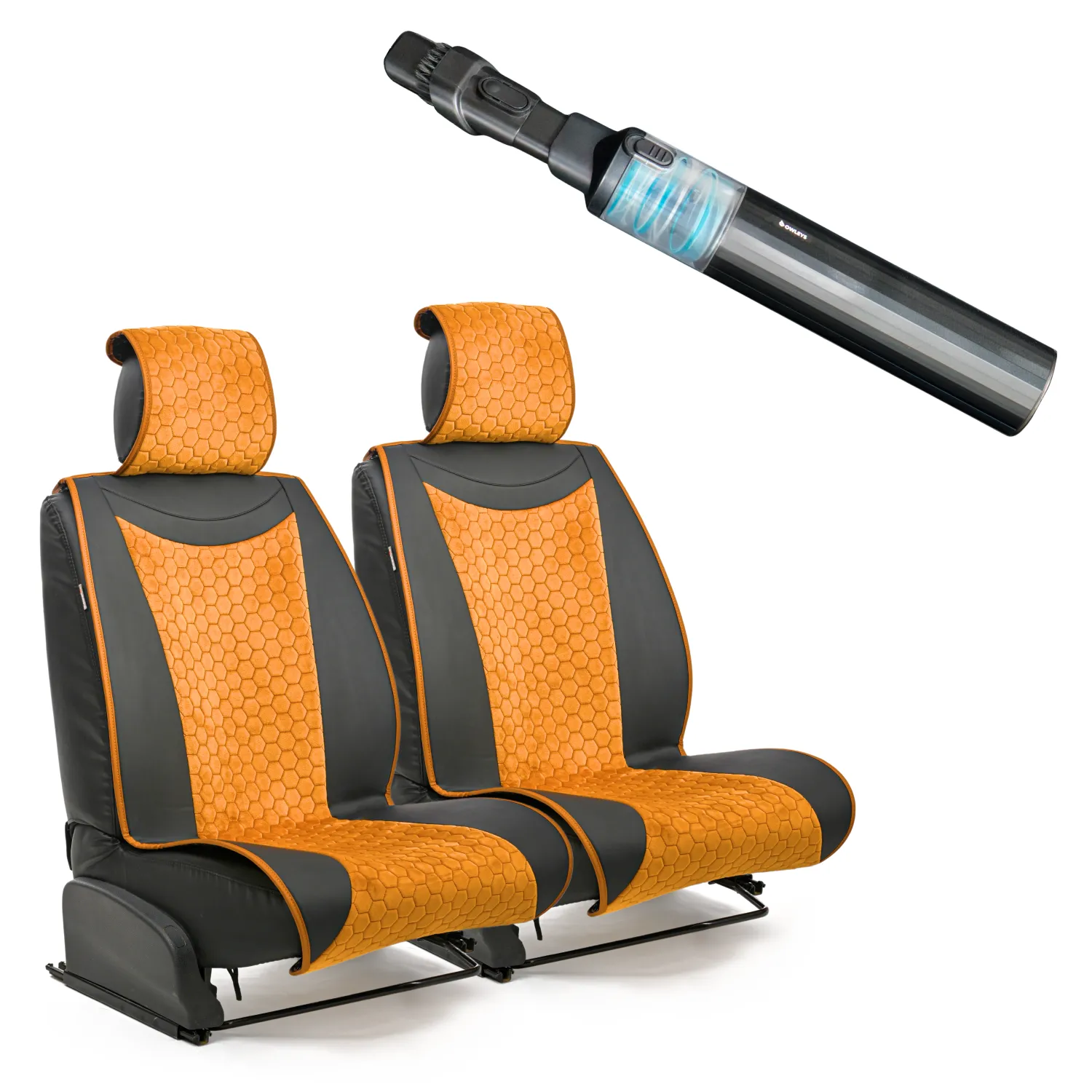
When daily life demands extra structure, these in-stock pieces pair naturally with a combo-based layout:
The fastest way to “win” at a clean car is to place items where your hands naturally reach—then remove everything else from the decision loop.
A tidy car usually comes down to frequency, not intensity. The goal is to keep messes from becoming “projects.” If you’re also disinfecting high-touch points, follow practical public-health guidance for cleaning and disinfecting surfaces (see the CDC’s cleaning and disinfecting recommendations).
For families, cleanliness also overlaps with safety: keeping the footwell clear and essentials easy to grab reduces distractions and awkward reaching. For child passenger best practices, review the NHTSA child safety guidance and always follow seat and vehicle instructions.
Most setups take about 10 minutes. It depends on your vehicle size and what you carry daily, and it’s smart to do a quick adjustment check after the first week to match real habits.
Yes—most vehicles can use the same approach by prioritizing high-traffic zones like the front row and cargo area. Measuring key areas (like seatback space and cargo width) helps fine-tune placement.
Empty and shake out debris first, then wipe with mild soap and water and let everything air-dry fully. Avoid harsh chemicals unless the care instructions specifically allow them.
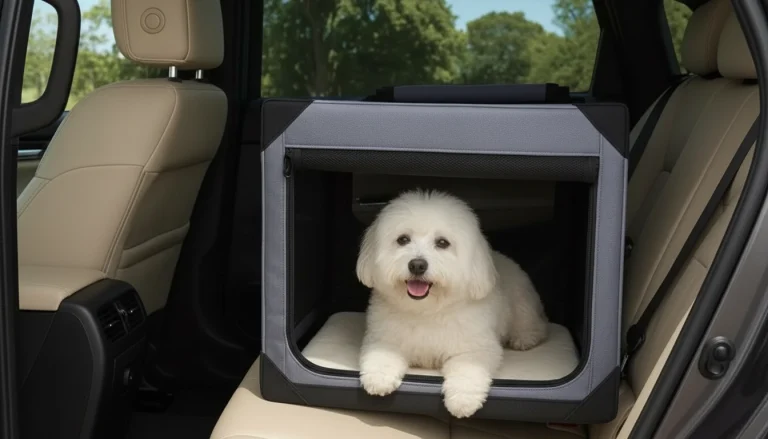
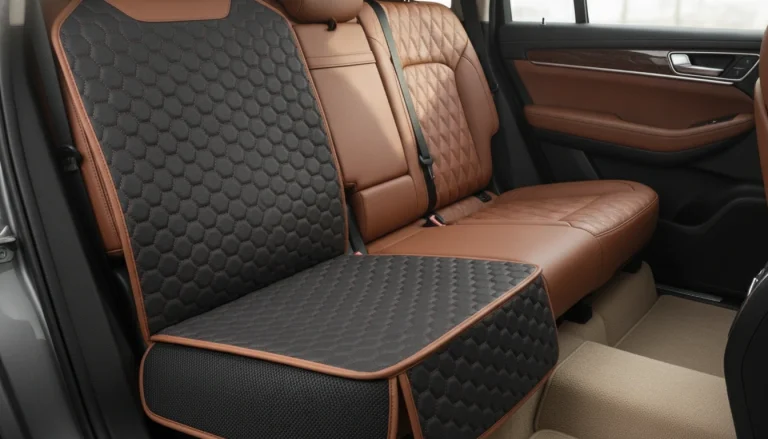
Join the Owleys Adventure Club and get exclusive access to Red, White & Road-Ready deals with savings up to 35% OFF from July 23.

Choose the adventure that speaks to you and receive tailored recommendations from the Owleys Adventure Club.
Get ready for exclusive member discounts, early access to new products, special gifts, and travel inspiration from the Owleys team.
Your guide will arrive within 5 minutes.Please ensure all fields are completed correctly.
error
Leave a comment