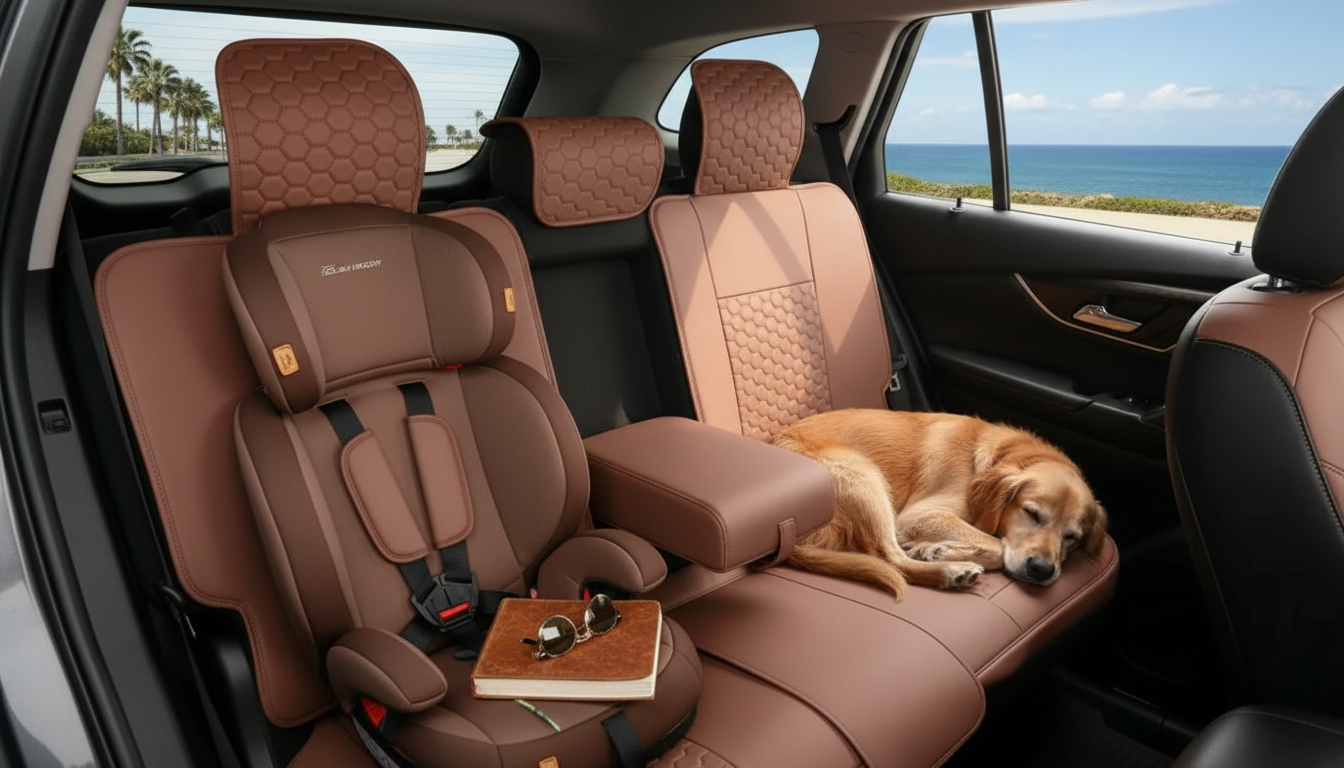
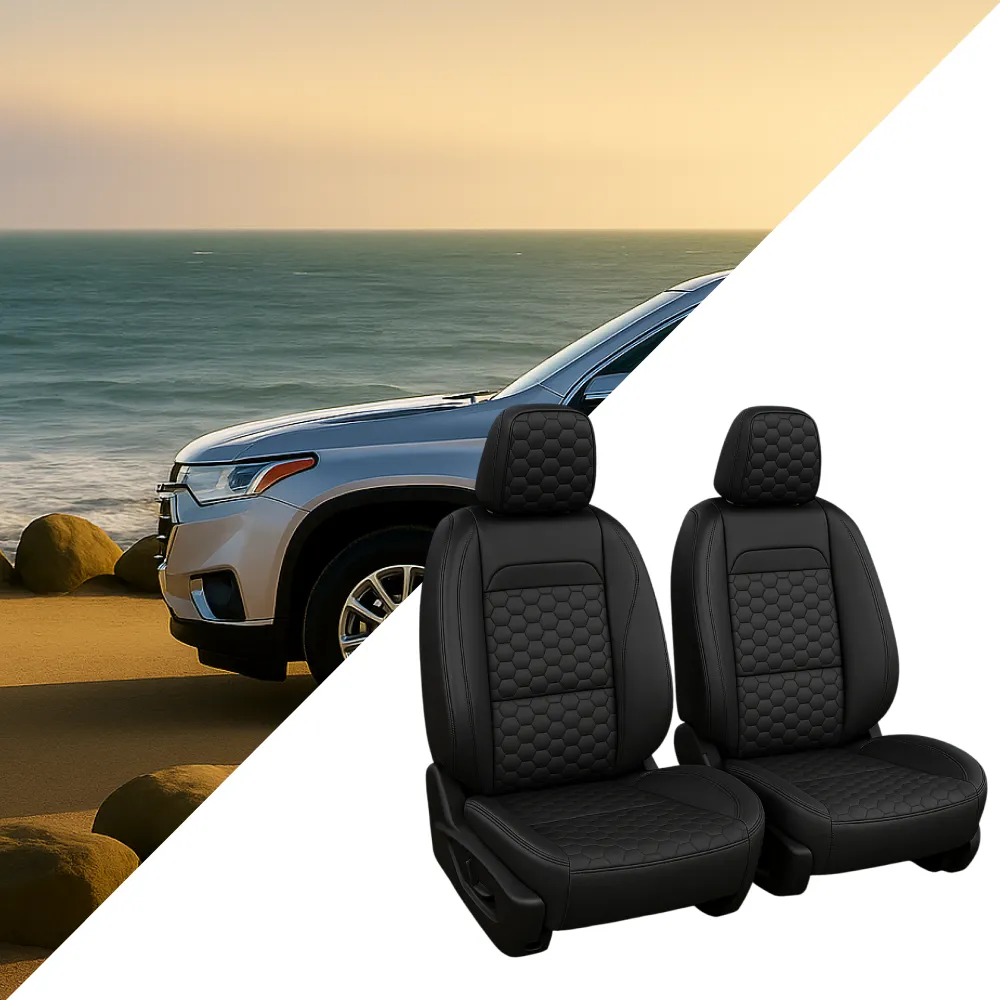
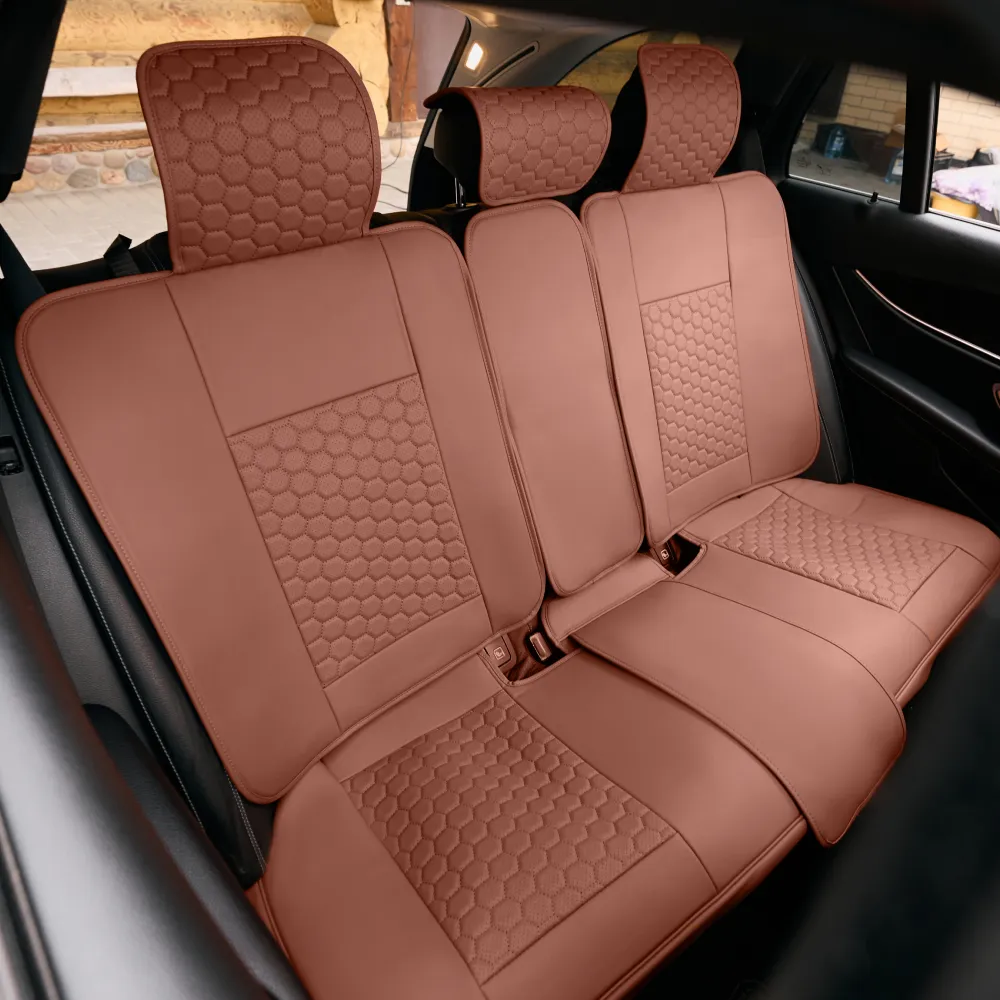
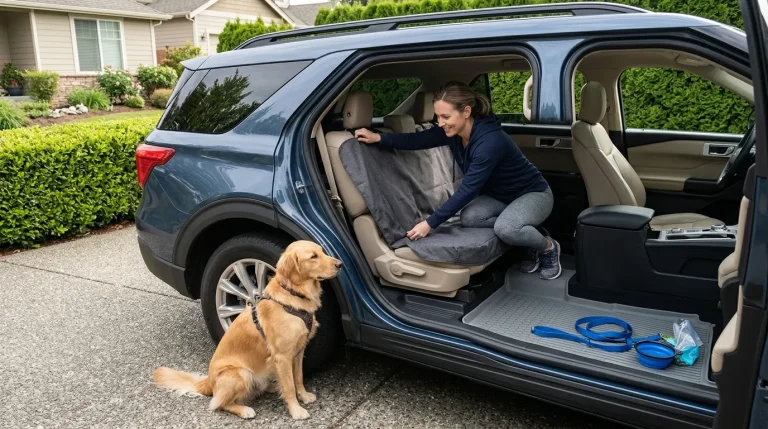
A Chevy Traverse is built for busy rows—kids, pets, road trips, carpools, and everyday commuting. Custom-fit back seat covers help keep the factory upholstery looking new, add a finished interior look, and make daily cleanup easier without compromising comfort or access to key seat functions. If your second row is where the real life happens, a tailored, easy-clean surface can make the Traverse feel more “put together” even on the messiest weeks.
The Traverse is often a “second-row first” vehicle—school drop-offs, booster seats, snack time, and weekend trips. A custom-fit layout matters because it’s the difference between a cover that looks integrated and one that shifts, bunches, or blocks normal use. The Harlow-style approach focuses on keeping the rear seating area protected while maintaining a clean, factory-like appearance.
Before purchasing, check your Traverse’s trim and second-row layout. Some model years and trims offer second-row captain’s chairs, while others use a bench. That one detail affects how covers align with seat sections, headrests, and fold points. For feature confirmation, the Chevrolet Owner Center manuals and guides are a helpful reference when verifying seat functions and interior configuration.
| Material type | Feel | Cleaning | Best for |
|---|---|---|---|
| Eco‑leather | Soft, smooth, premium look | Wipe clean; quick spot care | Kids, pets, rideshare, daily messes |
| Neoprene-style fabric | Cushioned, sporty | Rinse/spot clean; can hold moisture | Outdoor use, wet gear |
| Polyester/canvas | Textured, utilitarian | Brush/vacuum; stains can set | Work use, rough wear |
| Universal low-cost PU | Varies; can feel slick | Wipe clean; may crack over time | Short-term protection on a budget |
For family SUVs, eco‑leather tends to hit the sweet spot: it looks refined, doesn’t cling to pet hair the way fabric can, and typically wipes down faster than woven materials. When the second row is full of real-world chaos—juice boxes, sports gear, and wet umbrellas—simple cleanup can be the feature you appreciate most.
A clean install changes how the whole interior feels. Taking five minutes to prep the seats (vacuum crumbs from seams and wipe off dust) helps the material lay flatter and reduces shifting. Once installed, run through your normal routine: fold the seatbacks, adjust headrests, check access points, and make sure there’s no interference where child seats or passengers commonly sit.
If car seats or boosters are part of the plan, it’s also worth reviewing current guidance for safe installations and transitions. The NHTSA child passenger safety resource is a reliable reference for booster basics and usage reminders.
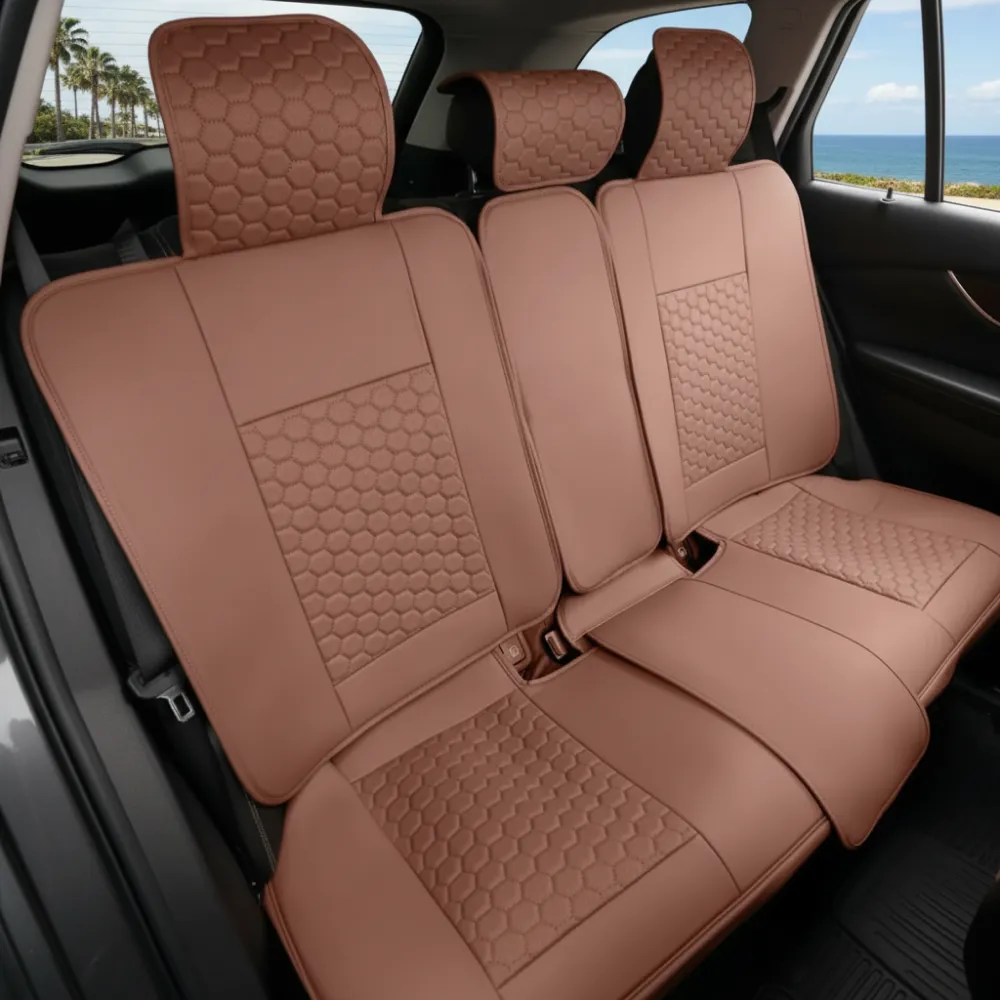
Confirm that the covers are listed for 2018–2026 Traverse and match the rear seating configuration (bench vs. captain’s chairs) before purchase. Fit depends on both model year and the exact second-row layout.
Eco‑leather is typically wipe-clean for most spills, crumbs, and paw prints, making quick cleanup straightforward. For best results, do routine microfiber wipe-downs and avoid harsh solvents that can dull the finish.
A proper custom-fit layout is designed to align with seat sections, headrests, and access points so common functions remain usable. After installation, test folding and headrest adjustments right away and re-align openings if needed.
Subscribe for Owleys product launches, fresh car accessories, and exclusive Adventure Club savings up to 30% OFF.

Choose the adventure that speaks to you and receive tailored recommendations from the Owleys Adventure Club.
Get ready for exclusive member discounts, early access to new products, special gifts, and travel inspiration from the Owleys team.
Your guide will arrive within 5 minutes.Please ensure all fields are completed correctly.
error
Leave a comment