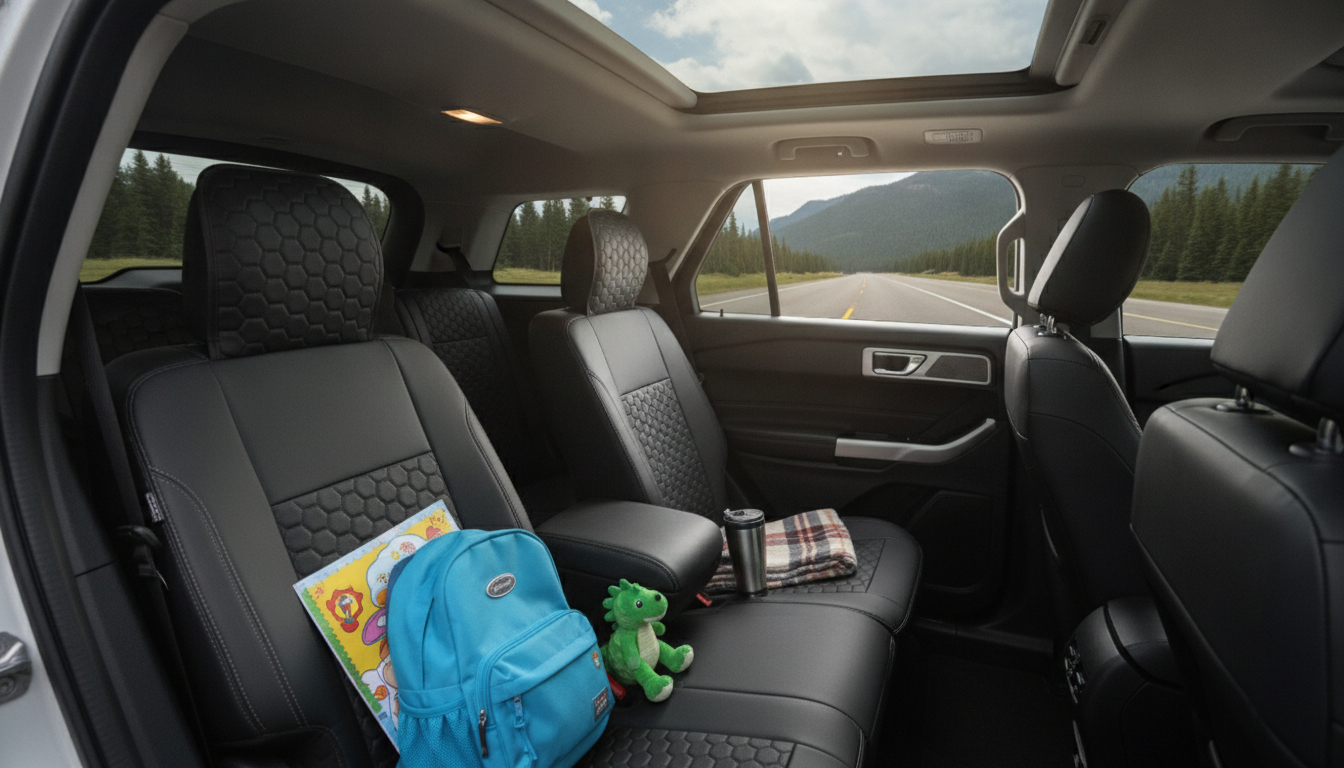
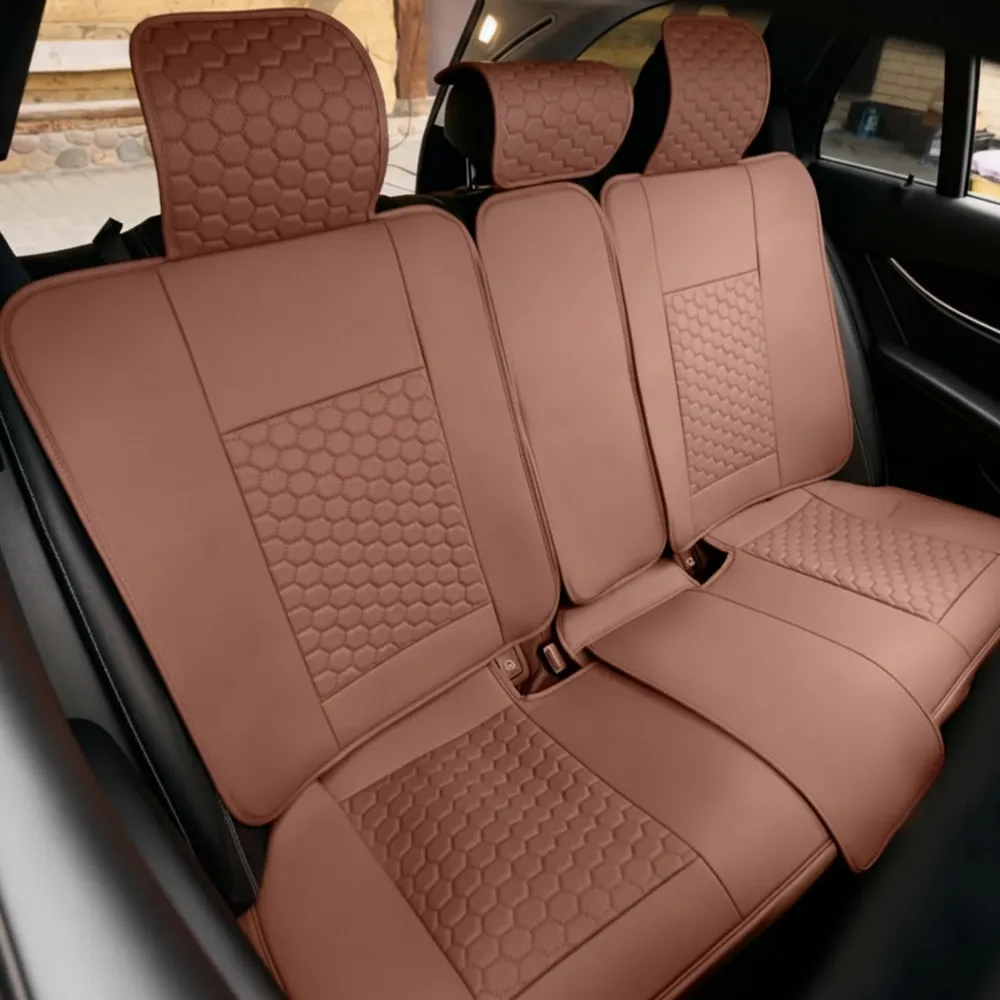
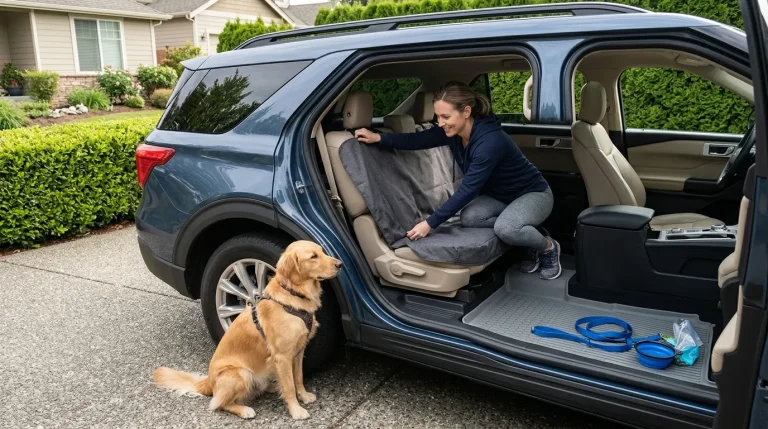
Rear seats take the hardest wear—kids, pets, groceries, road trips, and daily commuting. Harlow back seat covers are made to match the Ford Explorer’s rear bench shape for a tailored look while adding a soft, leather-like feel and dependable protection against spills, scuffs, and fading. The goal is a cleaner cabin, easier upkeep, and a back seat that still looks “new car” longer.
A clean, factory-style look usually comes down to pattern accuracy and how the cover behaves after a week of real use. A cover that’s shaped correctly should look composed, not loose or “draped,” even after passengers slide in and out.
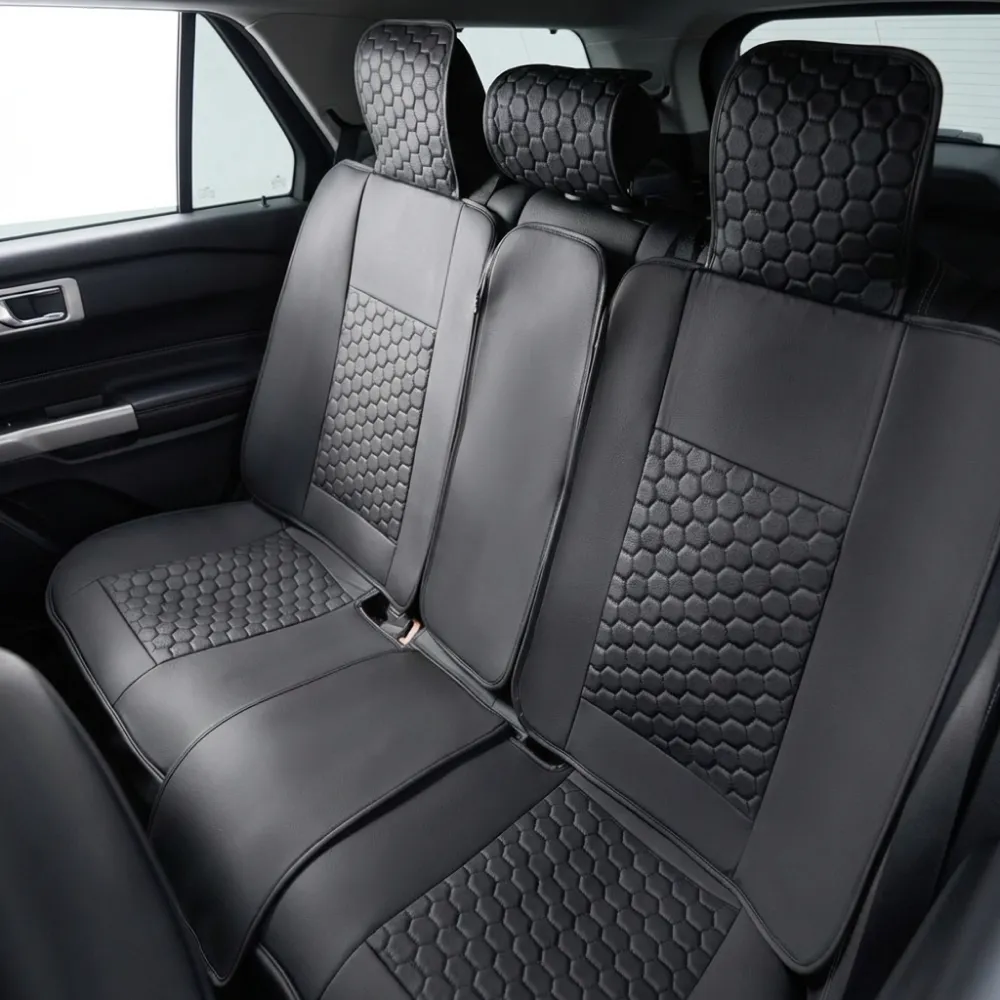
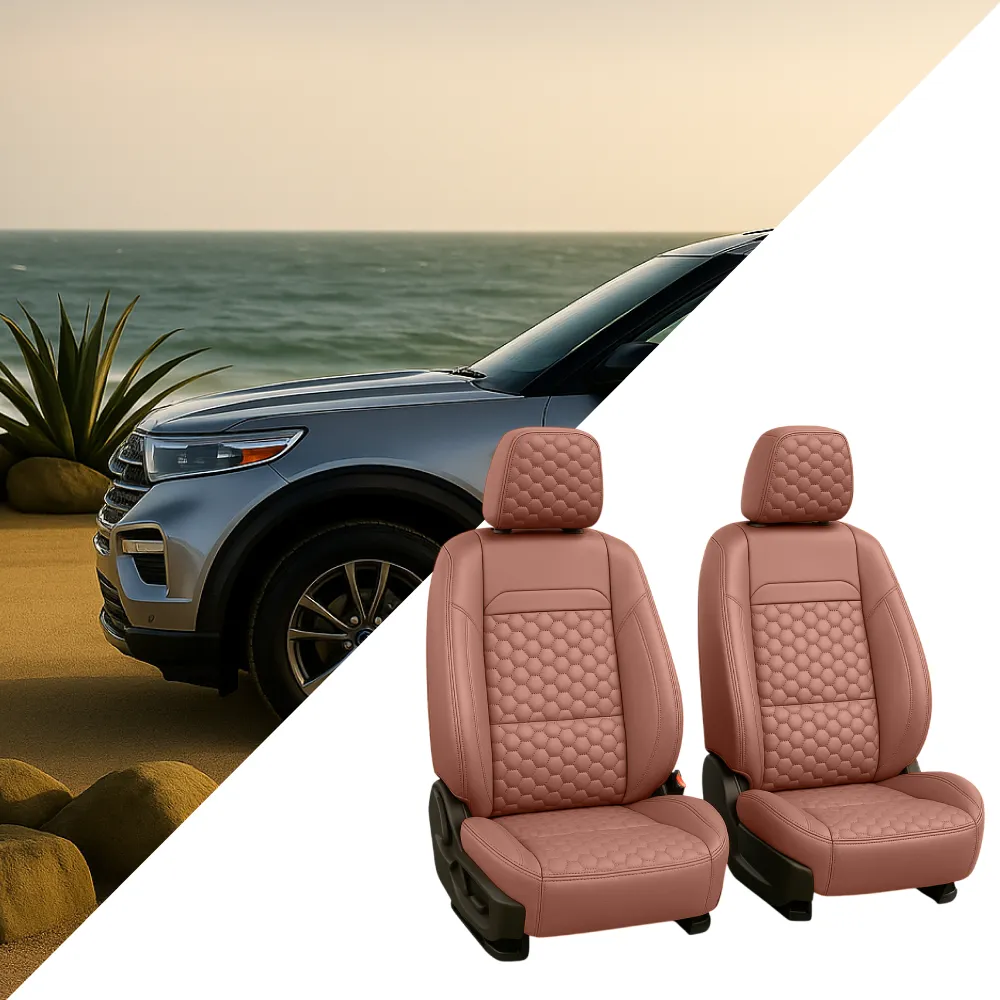
If you’re shopping specifically for the Explorer, a model-specific rear cover like Ford Explorer Seat Covers (2011-2026) – Back Seat Custom Fit, Premium Eco-Leather | Owleys is built around the way the bench and seatbacks sit in the cabin—so it looks intentional instead of temporary.
Rear passengers notice texture immediately. Eco‑leather is popular for family vehicles because it feels smooth (not rough or scratchy), while also being easy to keep presentable between deeper cleanups.
Most back-seat messes aren’t dramatic—they’re repetitive. The same seat area gets touched, kicked, leaned on, and spilled on every day. A protective layer helps prevent that slow “never quite clean again” look.
For safety reminders and best practices around restraints, review guidance from NHTSA — Seat Belts and keep your vehicle-specific details handy via Ford — Owner Manuals.
Fitment is the difference between “protected” and “protected plus easy to live with.” Before ordering, it helps to confirm the rear seating layout and how you actually use the second row (daily carpools, folding for cargo, child seats, pets, or all of the above).
| Item to check | Why it matters | What to confirm before ordering |
|---|---|---|
| Model year | Ensures the pattern matches seat dimensions | Ford Explorer 2011–2026 |
| Rear-seat layout | Bench vs. other layouts affect seams and access points | Rear bench configuration and split/fold style |
| Seat belt access | Maintains safe, easy buckling | Buckle locations and belt path clearance |
| Child-seat compatibility | Helps keep LATCH/ISOFIX use practical | Anchor access and stable routing |
| Cleaning expectations | Impacts long-term satisfaction | Preference for wipe-clean eco-leather surface |
For additional child-passenger safety guidance, consult NHTSA — Child Safety (Car Seats and Booster Seats).
Child seats can typically be used as long as the vehicle’s anchors and belt buckles remain accessible after installation. After fitting the covers, confirm you can route belts correctly and access anchors, and always follow both the vehicle and child-seat manufacturer instructions.
Seat belts must remain fully accessible and unobstructed to function properly. After installation, verify buckle access and belt routing, and don’t use any setup that blocks or changes normal belt operation.
Wipe regularly with a damp microfiber cloth and clean spills quickly by blotting first, then wiping. Use mild cleaners designed for leather or synthetic leather when needed, and avoid harsh chemicals or abrasive brushes.
Subscribe for Owleys product launches, fresh car accessories, and exclusive Adventure Club savings up to 30% OFF.

Choose the adventure that speaks to you and receive tailored recommendations from the Owleys Adventure Club.
Get ready for exclusive member discounts, early access to new products, special gifts, and travel inspiration from the Owleys team.
Your guide will arrive within 5 minutes.Please ensure all fields are completed correctly.
error
Leave a comment