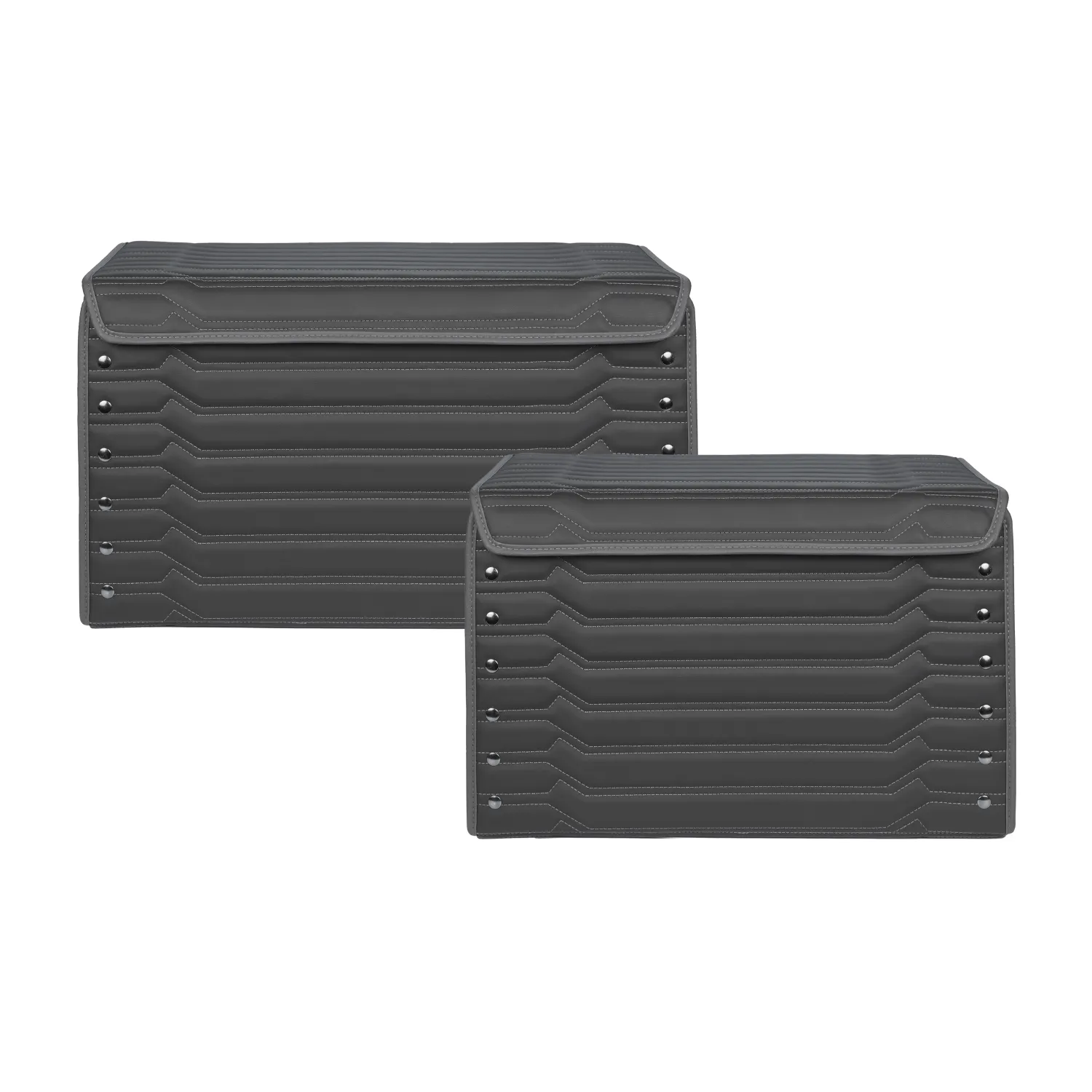
A tidy trunk makes everyday errands, road trips, and family outings easier. A trunk organizer set is built to keep groceries, tools, emergency gear, and kid essentials in dedicated compartments while helping prevent sliding, tipping, and clutter. Below is a practical breakdown of what the set includes, how to position it in different vehicle types, and how to load it so it keeps working week after week.
A trunk organizer set works best when each component has a job. Instead of tossing everything into one bin, the set creates a repeatable “home” for common items so you can find what you need quickly.
| Item type | Best placement | Why it works |
|---|---|---|
| Groceries (bags, cartons) | Largest compartment(s), heavier items at the bottom | Reduces crushing and keeps bags from tipping |
| Cleaning supplies | Side compartment with divider; keep liquids upright | Helps prevent leaks and keeps chemicals separated |
| Roadside kit (triangle, first-aid, flashlight) | Dedicated compartment closest to the trunk opening | Faster access during stops or emergencies |
| Sports gear (balls, gloves, towels) | Medium compartment; add a divider for wet/dry separation | Keeps damp items contained and easy to air out |
| Loose accessories (chargers, wipes, cords) | Small pocket/section or lidded area | Stops small items from disappearing under larger gear |
Placement matters as much as the organizer itself. The goal is to reduce sliding by using the trunk’s natural “walls” (seatbacks and side panels) as support.
A good setup takes a few minutes once, then saves time on every grocery run. This sequence helps the organizer “lock in” and stay stable.
The easiest way to keep a trunk organized is to treat it like a small closet: zones, categories, and a quick reset routine.
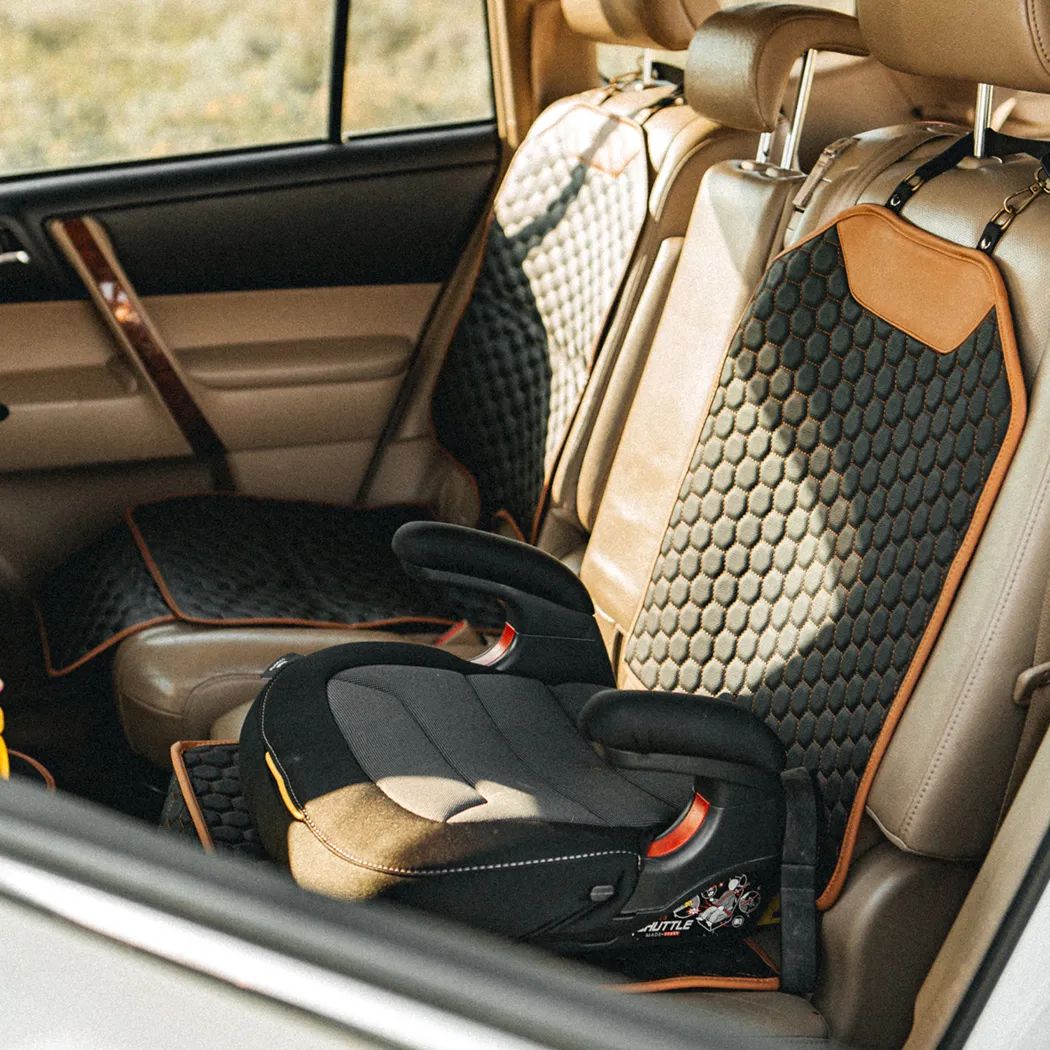
If you often need essentials within arm’s reach during the drive, pairing a trunk set with a seat-back organizer keeps the cabin calmer and reduces fumbling. For general distraction awareness while driving, see NHTSA guidance on distracted driving.
Loose cargo can become a hazard during sudden braking. A structured organizer helps, but smart loading completes the system.
When lifting heavier items (tool bags, cases of water), use steady posture and avoid awkward twisting. General safety reminders are available from the CDC.
Most sedans can fit a trunk organizer when it’s positioned against the rear seatbacks, leaving the trunk opening area open for larger bags or luggage. The fold-flat design also helps when you need full cargo space, but exact fit depends on your trunk dimensions and how you configure the compartments.
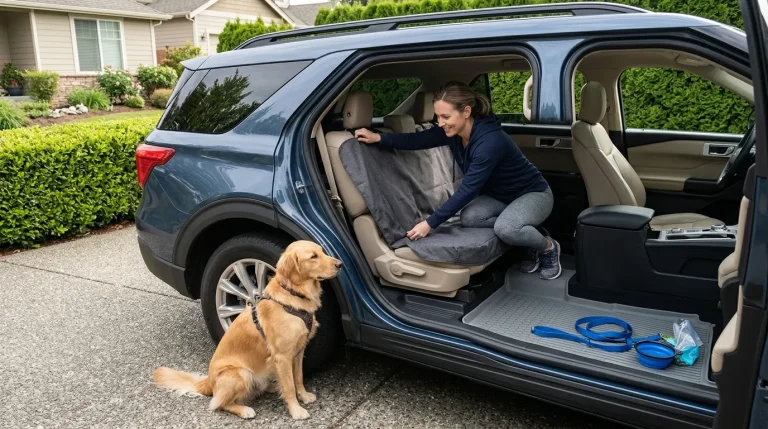
Place it on a clean trunk floor so the base can grip, then position it against the seatback or side wall for added support. If your set includes straps or anchors, use them; otherwise, a non-slip mat and balanced loading (heavy items low and centered) can reduce movement.
Store liquids upright using dividers, and keep chemicals in a dedicated side compartment away from food, fabrics, and electronics. Keeping an absorbent towel in a separate section helps you handle small spills quickly without soaking other items.
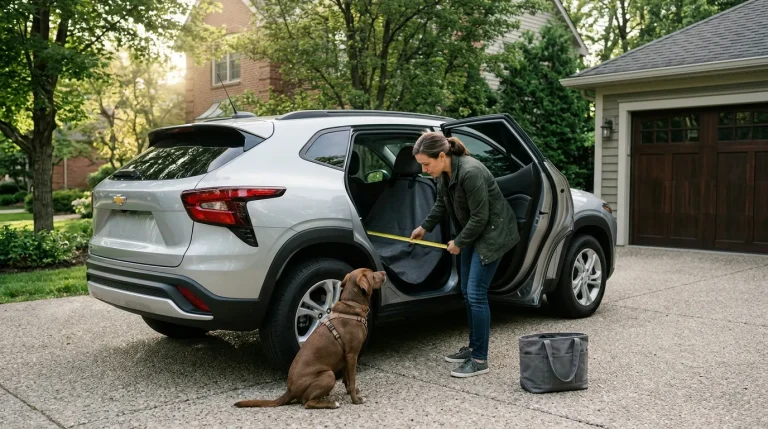
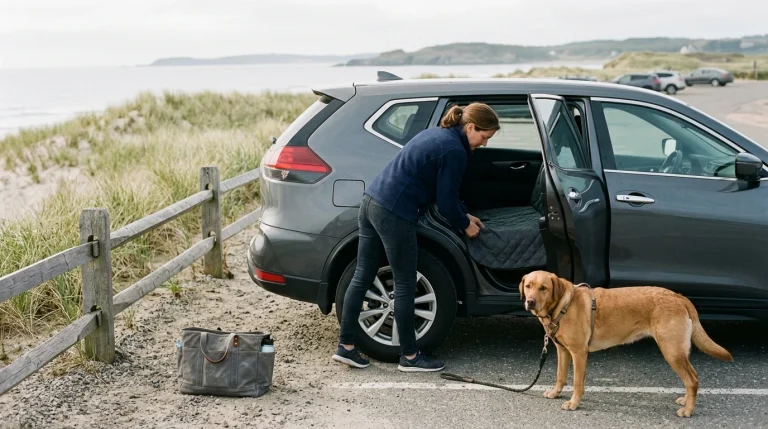
Subscribe for Owleys product launches, fresh car accessories, and exclusive Adventure Club savings up to 30% OFF.

Choose the adventure that speaks to you and receive tailored recommendations from the Owleys Adventure Club.
Get ready for exclusive member discounts, early access to new products, special gifts, and travel inspiration from the Owleys team.
Your guide will arrive within 5 minutes.Please ensure all fields are completed correctly.
error
Leave a comment