
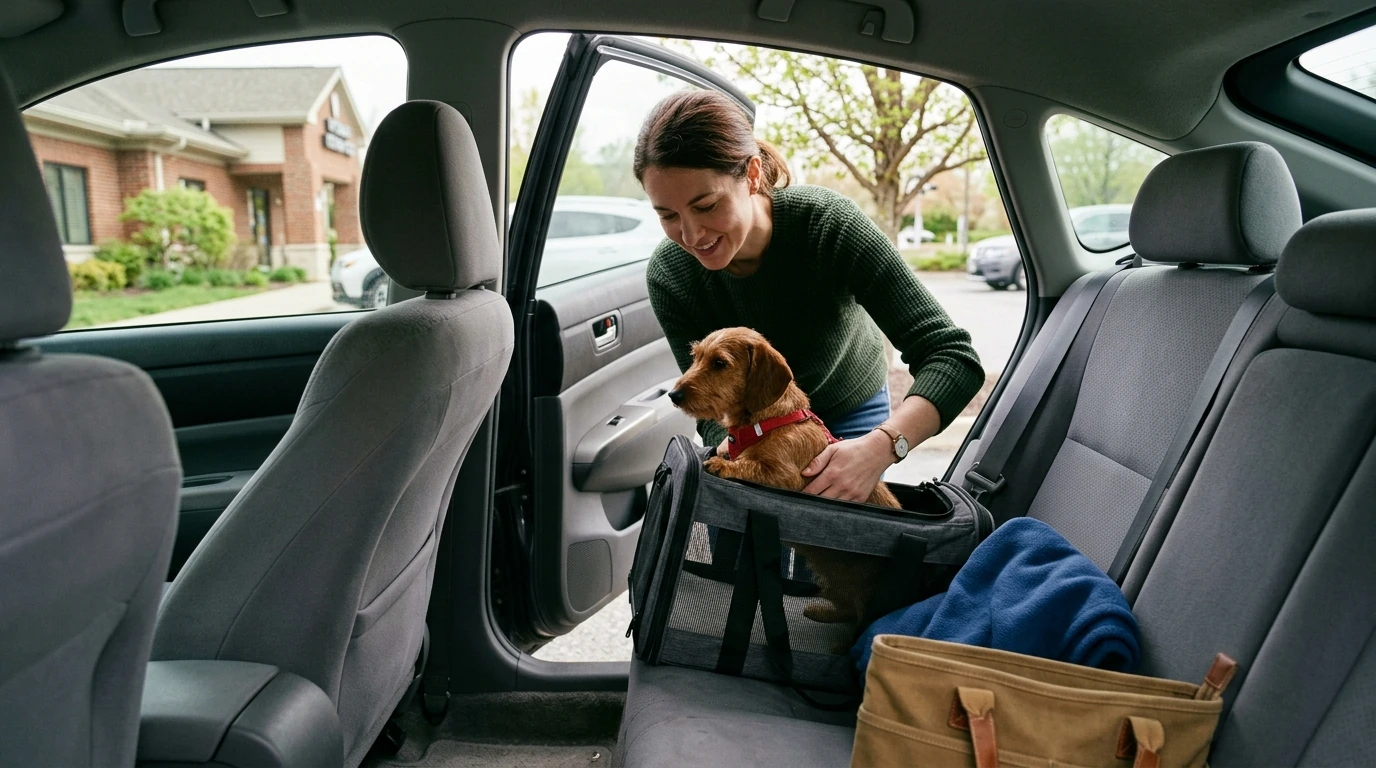
Is the King Woof carrier a good fit for your dachshund?
A dachshund’s long body makes usable interior length especially important. Your dog should be able to lie in a natural resting position rather than curl tightly because the carrier is too short. There should also be enough room to turn around without struggling. A carrier can look spacious from the outside while offering less usable room once its walls, padding, or closures are accounted for.
Measure your dog’s body and compare those measurements, along with your dog’s weight, against the manufacturer’s current interior dimensions and weight limit. Those specifications were not provided in the available product information, so fit cannot be confirmed from the listing details supplied here. Check the opening, too: your dachshund should be able to enter and exit without being squeezed into position.
Finally, consider the human side of the trip. A comfortable carrier is less useful if it is awkward for you to lift, carry, or position in your vehicle. Practice moving it while empty, then assess whether you can handle it steadily with your dog inside.
| Check | What to look for | Why it matters |
|---|---|---|
| Interior space | Length to lie naturally and room to turn | Helps avoid a cramped posture for a long-backed dog |
| Weight limit | A published limit above your dog’s weight | Keeps use within the maker’s stated range |
| Vehicle placement | A stable position allowed by the instructions | Helps limit shifting during ordinary driving |
| Restraint information | Installation directions and documented testing, if claimed | Separates evidence from assumptions |

What to verify about car safety
A carrier and a crash-tested restraint are not automatically the same thing. The supplied King Woof information does not establish that this specific product is crash-tested or crash-safe. If crash protection is a priority, ask for documentation identifying the test protocol, the exact product tested, and its results. The Center for Pet Safety offers information on evaluating pet travel products and safety claims.
Before driving, read the manufacturer’s vehicle-installation instructions. Confirm how the carrier attaches, which seating positions are permitted, and whether your vehicle can accommodate the specified setup. Do not improvise an attachment method or treat a carrier that merely sits on a seat as a verified restraint. A dog should not ride loose, and the front seat presents airbag risks. For broader trip-planning precautions, consult the American Veterinary Medical Association’s pet travel guidance.
| Claim | Evidence to seek |
|---|---|
| Vehicle-compatible | Manufacturer instructions for the intended seating position |
| Crash-tested | A named test protocol and published results for the specific product |
| Appropriate for your dog | Dimensions and a weight limit that match your dachshund |
Using the carrier on everyday trips
Give your dachshund time to investigate the carrier at home before the first drive. Let your dog approach it voluntarily and build familiarity in short, calm sessions. Once your dog is comfortable entering it, start with brief car trips rather than making a long journey the first test.
Before departure, inspect the carrier for wear, confirm that your dog fits comfortably, and keep ventilation openings clear. Position and secure the carrier exactly as its instructions specify. On longer drives, bring water and plan breaks for drinking, toileting, and a chance to settle. Do not leave your dog unattended in a parked vehicle.
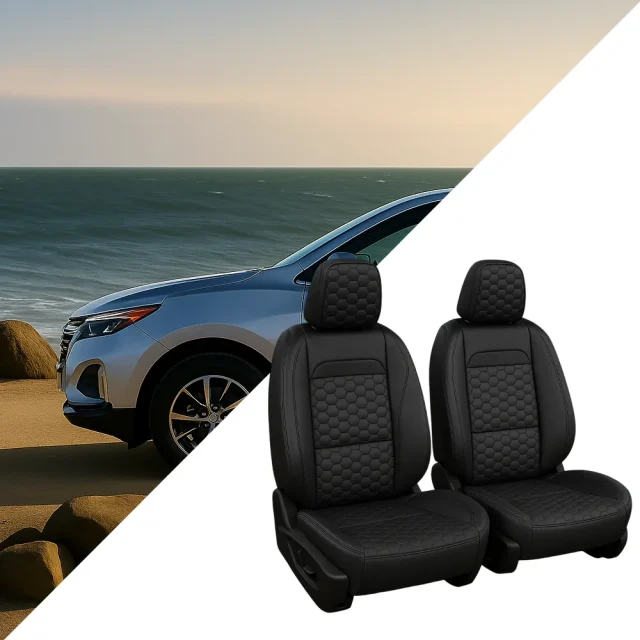
If protecting your upholstery is another priority, the Hexy car seat protector mat is a separate option. A protector mat helps address seat coverage; it does not replace an appropriately fitted and installed dog restraint.
| When | Action |
|---|---|
| Before loading | Check fit, ventilation, and the carrier’s condition |
| After positioning | Follow the maker’s vehicle-installation instructions |
| During longer trips | Schedule water and comfort breaks |
Price and purchase considerations
It also advertises free shipping and a 30-day money-back guarantee. Price, availability, and promotional terms may change, so confirm the current details and any return conditions before ordering.
The strongest reason to choose a carrier is not its name or appearance alone. Look for confirmed fit for your dachshund, clear instructions for use in your vehicle, and evidence supporting any safety claims you intend to rely on. If those details are missing, request them before making a car-travel decision.
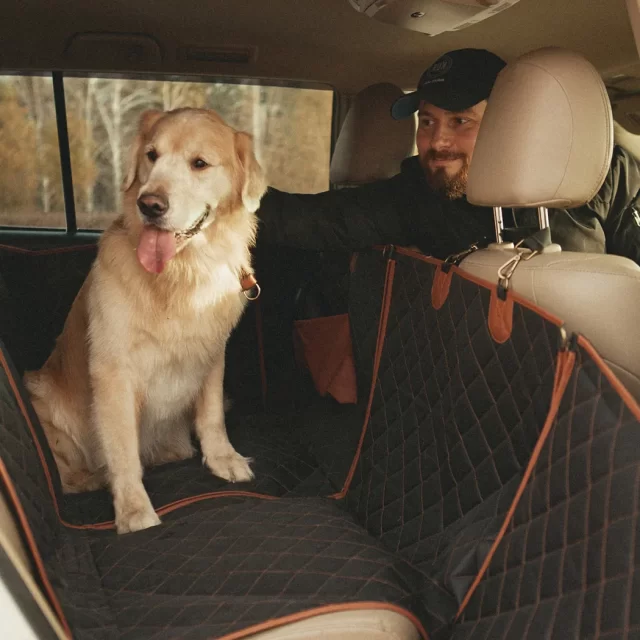
The Travel Buddy Seat Cover covers the car upholstery, so dog hair and tracked debris land on a removable surface during travel, pairing with the featured product during everyday use.
FAQ
What is the best car seat for a dachshund?
Choose an option that fits your dachshund’s long body and weight, has clear installation instructions, and provides verifiable evidence for any crash-protection claims.
How to travel with a dachshund?
Introduce the travel setup gradually, install it according to its instructions, keep your dog out of the front seat, and plan breaks on longer drives.
Is it safe to put a dog in a car seat?
Safety depends on the product’s restraint design, fit, testing, and correct installation. Do not assume an unverified carrier provides crash protection.
What is the safest dog car seat for small dogs?
Look for a restraint that fits the individual dog, can be installed correctly in your vehicle, and has independently verifiable testing for any claimed crash protection.




Leave a comment