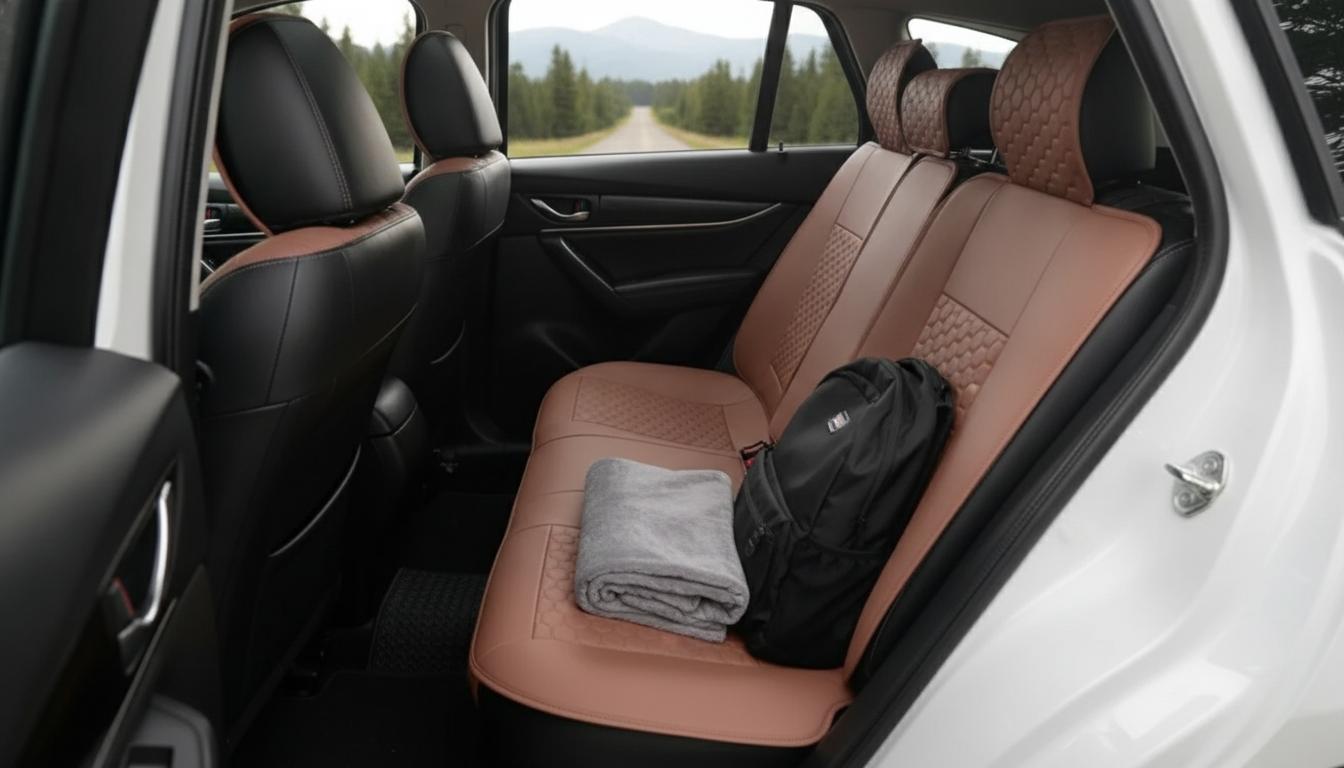
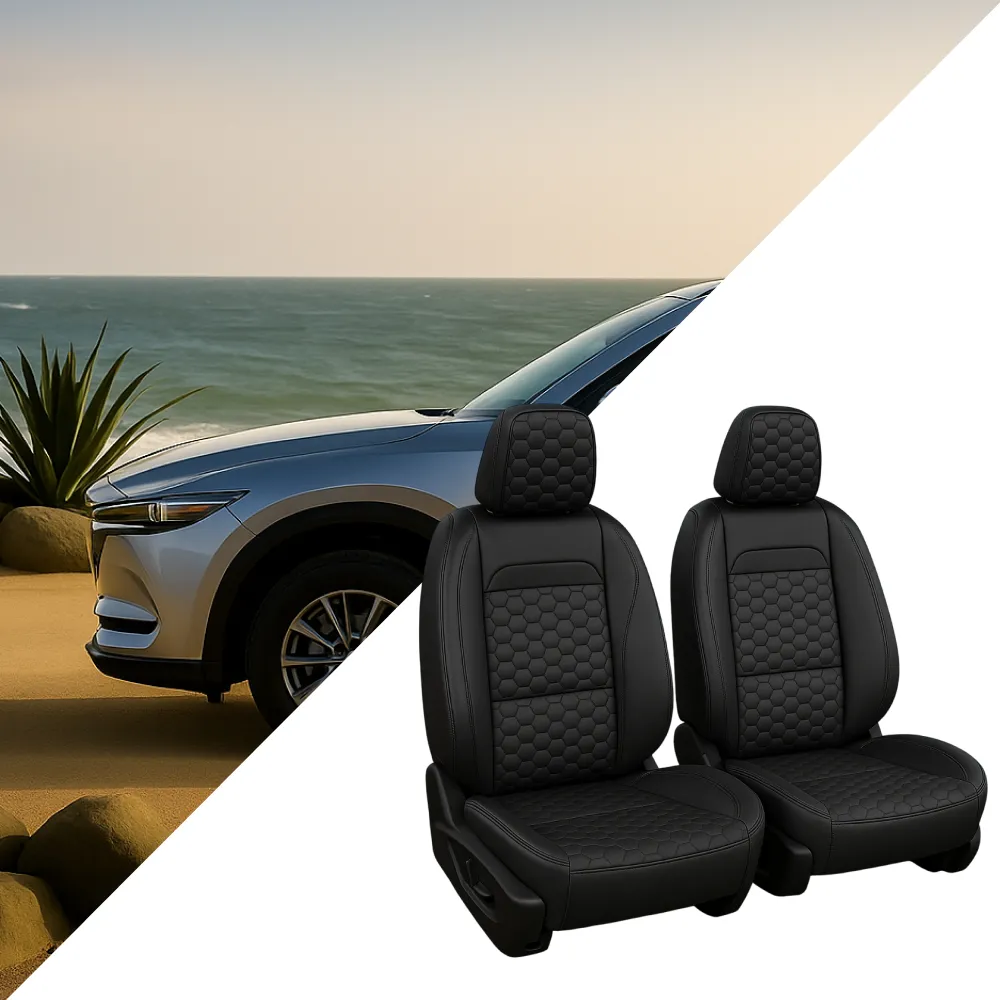
Keep the rear seats looking new while adding a softer, more refined feel. These custom-fit back seat covers for Mazda models (2016–2026) are built from premium eco-leather to help protect against daily wear, spills, and pet mess—without compromising rear-seat comfort or usability. Whether your back seat is home base for kids, coworkers, or weekend gear, a snug, tailored cover can make the cabin feel cleaner and more upscale every time you open the door.
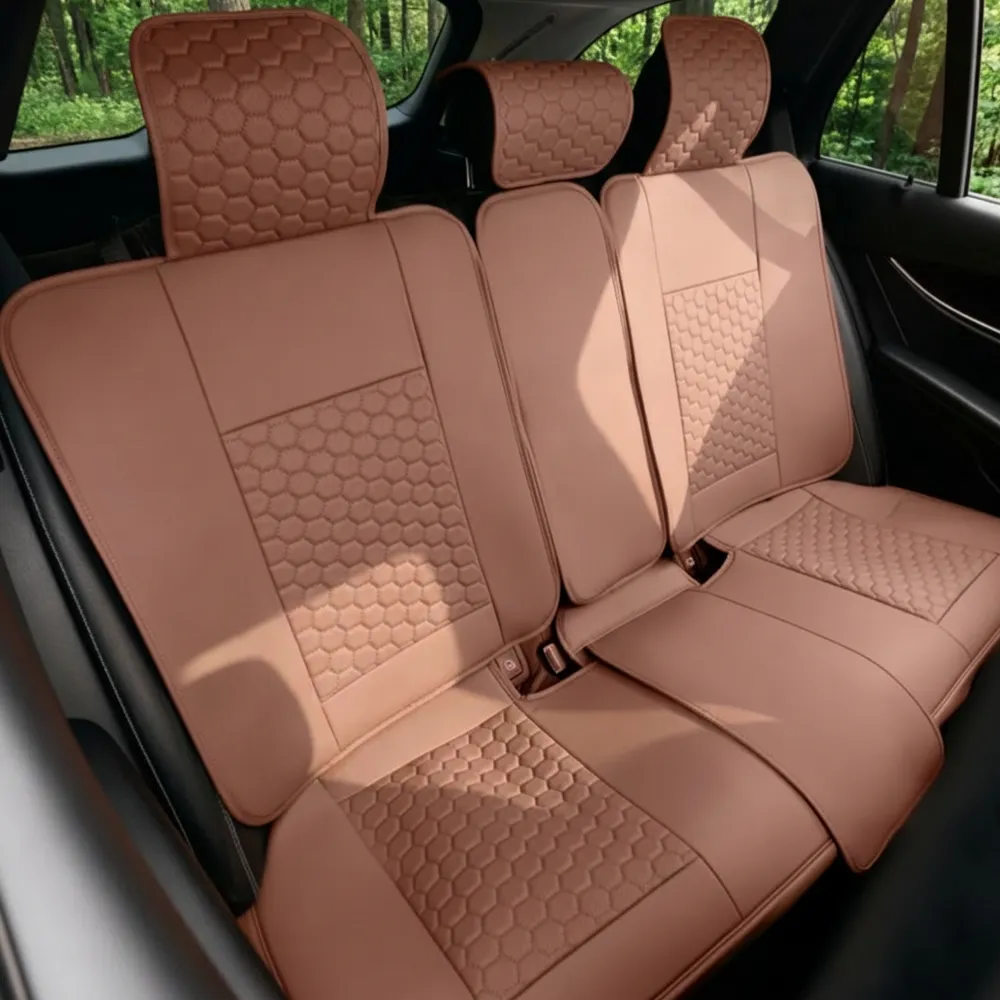
Rear seat covers often fall into two camps: universal “one-size” sets that shift around, or vehicle-specific designs that look like they belong there. A custom-fit option is built to match Mazda rear bench dimensions and common rear-seat shapes from 2016–2026, which helps it sit flatter and look more integrated.
Before ordering, verify your model year and the rear-seat layout. Even within the same generation, trims can differ in split-fold patterns, armrest access, and headrest shapes. Getting these details right is what helps the set install cleanly and keep everyday functions working as intended.
| Rear-seat detail | What to verify before purchase | Why it matters |
|---|---|---|
| Split-fold backrest | 40/60 or 60/40 split, or full bench | Ensures folding still works cleanly |
| Center armrest | Whether the armrest needs to remain accessible | Maintains comfort and cupholder use (if equipped) |
| Headrests | Count and shape (removable vs fixed) | Helps the covers sit flush at the top edge |
| Seat belts | Buckle and shoulder belt paths | Safety-critical clearance and correct routing |
| Child-seat anchors | LATCH/ISOFIX locations | Keeps car seats installable and stable |
Eco-leather is chosen for its balance: it offers a smoother, leather-like touch while staying practical for daily use. In a rear seat, comfort matters just as much as toughness—especially when passengers slide in and out, kids climb across the bench, or bags get tossed behind the front seats.
For a deeper look at automotive interior material performance considerations, see the overview resources from SAE (Society of Automotive Engineers).
Rear seats take the brunt of real life: muddy cleats, snack crumbs, wet jackets, and pet hair. A wipeable surface helps reduce the “set it and forget it” anxiety that comes with light-colored cloth or factory upholstery you’d rather not stain.
If car seats or boosters are part of your daily routine, it’s worth reviewing best practices from NHTSA’s Child Passenger Safety guidance and the CDC’s child passenger safety resources.
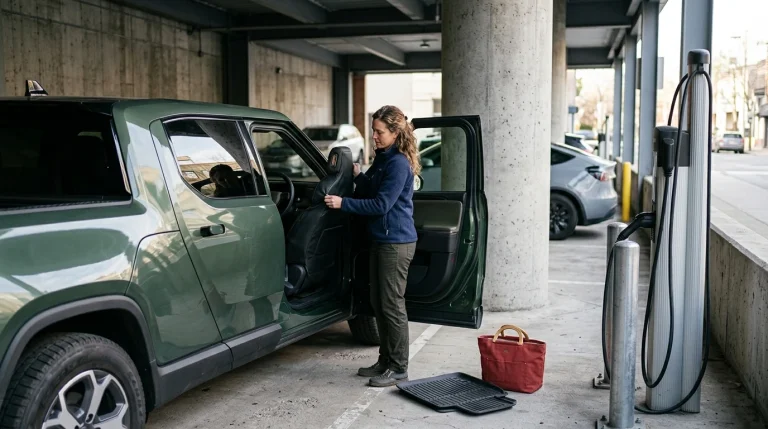
A clean install is what separates “covered” from “custom-looking.” Plan a few extra minutes for prep and alignment—especially around belt paths and corners where people sit most often.
Seat belts and LATCH/ISOFIX anchors must remain fully accessible and unobstructed. During installation, route belts through the intended paths, verify anchors are reachable, and confirm every buckle clicks freely and releases normally.
Eco-leather is typically easier to wipe clean and tends to resist absorbing spills, which helps with stains and odors. Fabric covers can feel more breathable, but they’re more likely to soak up liquids and hold onto dirt without frequent washing.
Use a microfiber cloth for regular wipe-downs, and clean spills with mild soap and water after blotting. Avoid harsh chemicals, and recheck fit/tension periodically since temperature swings can cause minor settling or wrinkles.
Subscribe for Owleys product launches, fresh car accessories, and exclusive Adventure Club savings up to 30% OFF.

Choose the adventure that speaks to you and receive tailored recommendations from the Owleys Adventure Club.
Get ready for exclusive member discounts, early access to new products, special gifts, and travel inspiration from the Owleys team.
Your guide will arrive within 5 minutes.Please ensure all fields are completed correctly.
error


Leave a comment