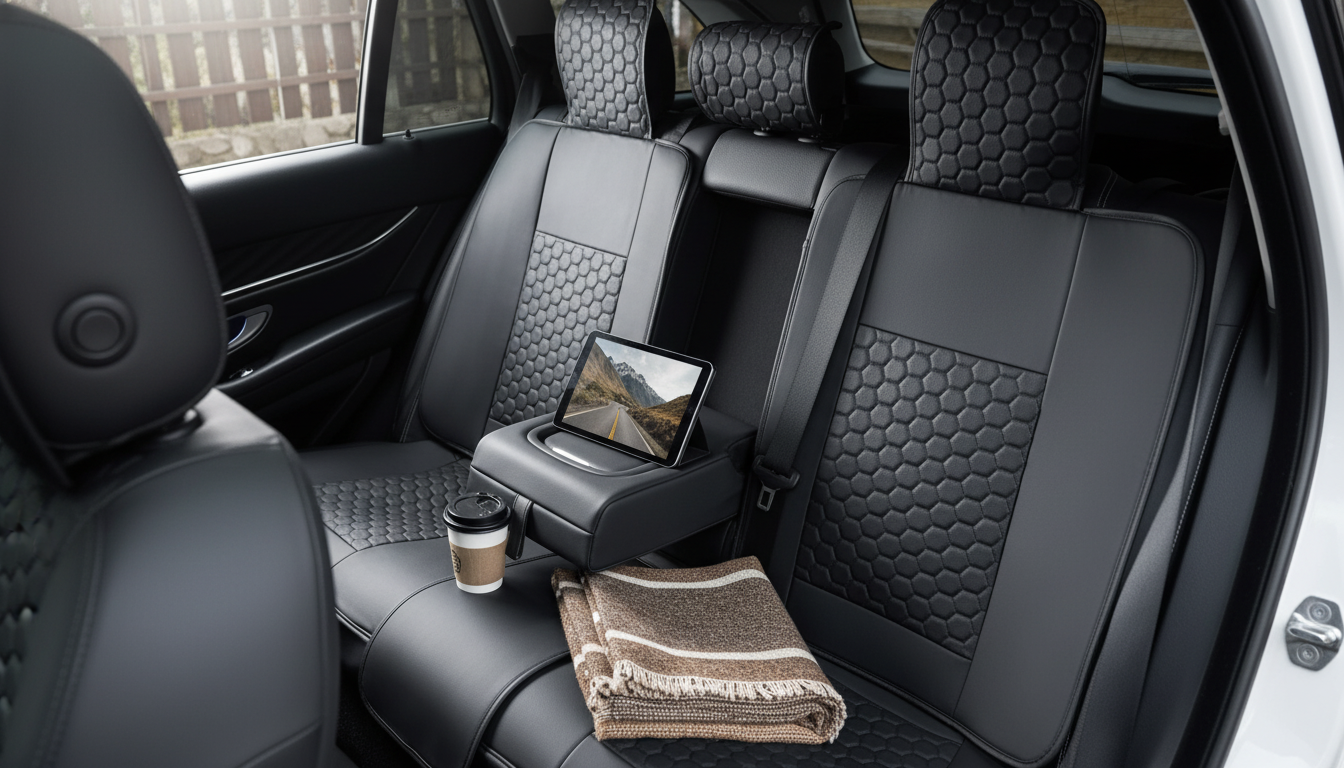
Keeping a Range Rover’s rear seats looking pristine is harder than it sounds—kids, pets, luggage, and daily commuting can quickly dull factory upholstery. Custom-fit back seat covers in soft premium eco‑leather are designed to preserve the original look while adding a comfortable, easy-to-clean surface that suits a luxury interior.
The rear cabin is where real-life wear shows up first. Passengers slide across bolsters, backpacks drag over seatbacks, and child seats stay cinched down for months—each one adding friction, pressure, and the occasional spill.
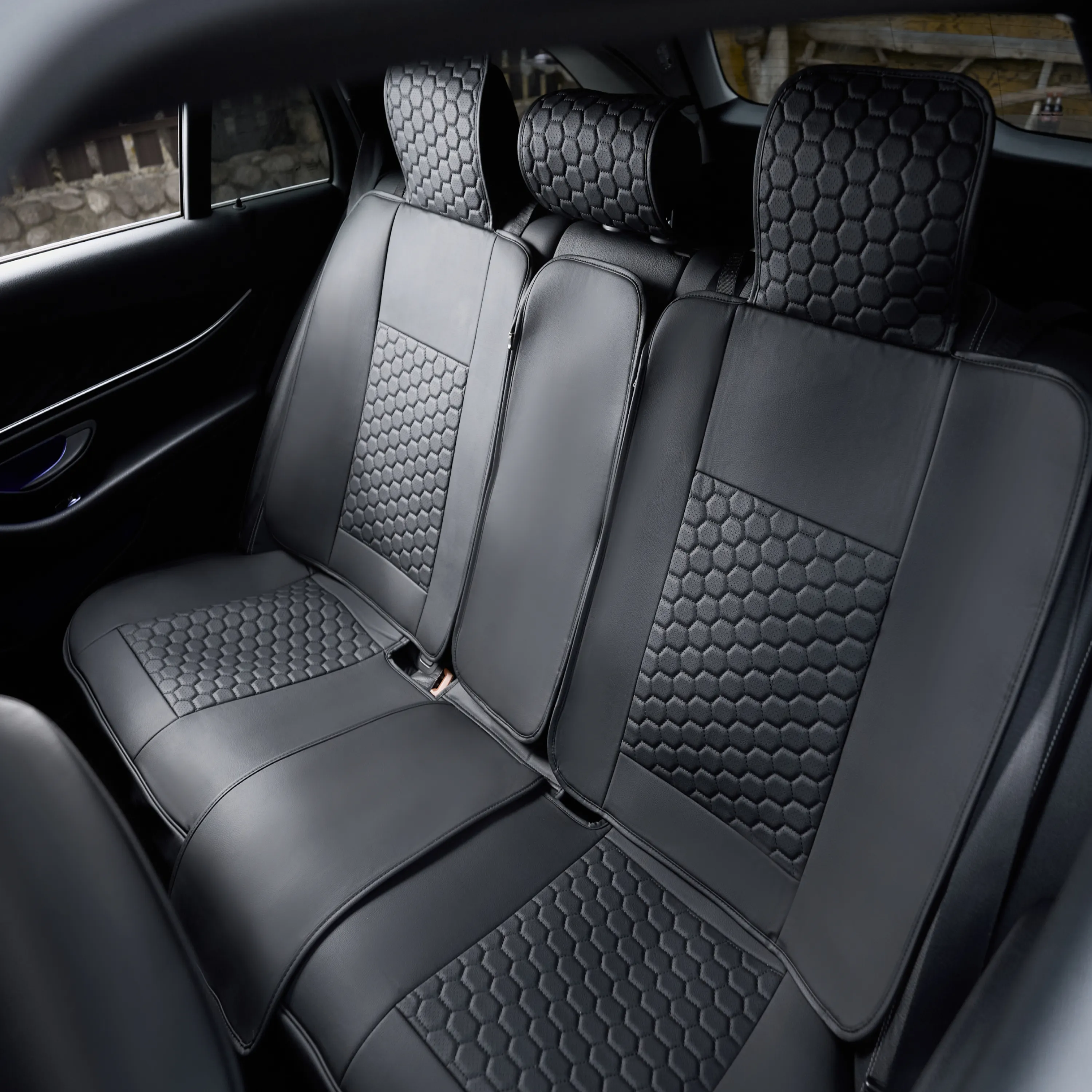
“Custom fit” isn’t just about size—it’s about how the cover follows the rear bench and seatback so the interior still looks intentionally designed. A proper pattern reduces loose draping, minimizes bunching at corners, and helps the cover stay in place through repeated entry, exit, and seat folding.
| Feature | What it does for the back seat | Why it matters in a Range Rover |
|---|---|---|
| Custom-fit rear set | Contours to the bench and seatback | Maintains a tailored, luxury look |
| Premium eco‑leather surface | Wipes clean; resists daily grime | Keeps the cabin looking polished with less upkeep |
| Soft touch finish | More comfortable for passengers on longer drives | Rear-seat comfort matches the vehicle’s refinement |
| Back seat coverage | Targets the highest-traffic seating area | Practical upgrade for families, rideshares, and pets |
| Black colorway | Helps mask scuffs and staining | Blends with many OEM interior palettes |
Eco‑leather is selected for Range Rover rear-seat covers because it matches the upscale expectation of the cabin while making day-to-day cleanup far easier than porous surfaces. It’s a practical “luxury-use” material: refined in appearance, comfortable in contact, and forgiving when life gets messy.
Rear-seat layouts can vary by year, trim, and seating configuration. Before choosing a set, confirm the details that affect how the cover aligns and how convenient the rear seat remains for daily use. For official model and configuration references, review the manufacturer’s model information on the Land Rover Range Rover site.
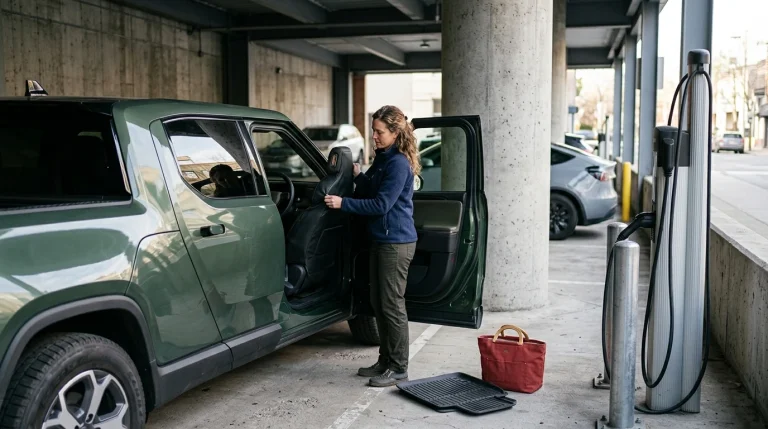
A clean, centered start makes the final fit look more “factory” and helps the cover stay secure. Give the rear bench a quick prep and take an extra minute to align seams before tightening—those small steps reduce wrinkles and keep high-contact areas looking smooth.
The goal is simple: remove grit early and clean gently. Dust and tiny particles can act like sandpaper over time, so a quick wipe-down routine does more than keep the cabin looking sharp—it helps reduce surface wear.
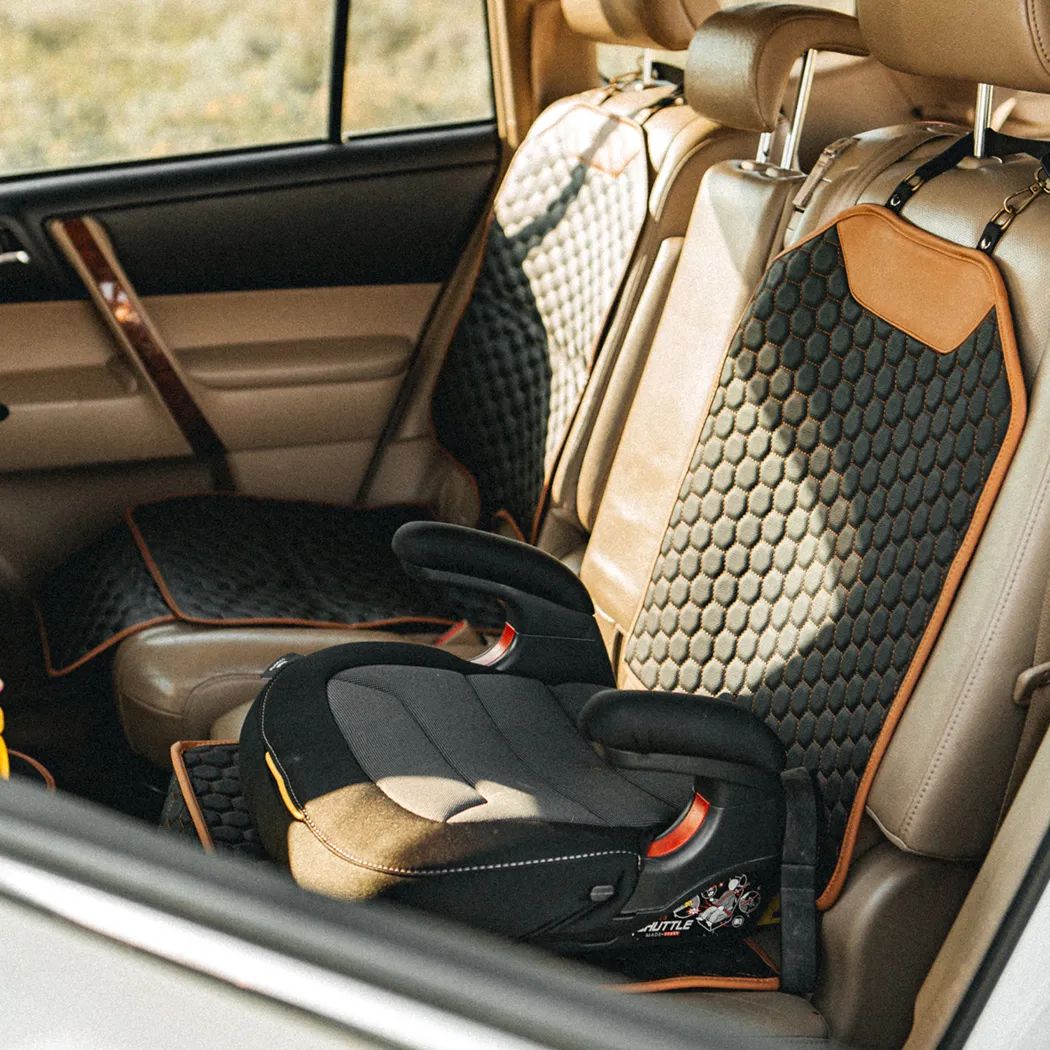
If you’re regularly installing child seats, follow current safety guidance for correct placement and secure installation on the NHTSA child car seat resource.
It depends on the model and configuration. Some Range Rover variants offer an optional third row, while others are strictly two-row (five-seat) layouts—check the specific trim details or the vehicle’s build information for confirmation.

Subscribe for Owleys product launches, fresh car accessories, and exclusive Adventure Club savings up to 30% OFF.

Choose the adventure that speaks to you and receive tailored recommendations from the Owleys Adventure Club.
Get ready for exclusive member discounts, early access to new products, special gifts, and travel inspiration from the Owleys team.
Your guide will arrive within 5 minutes.Please ensure all fields are completed correctly.
error
Leave a comment