
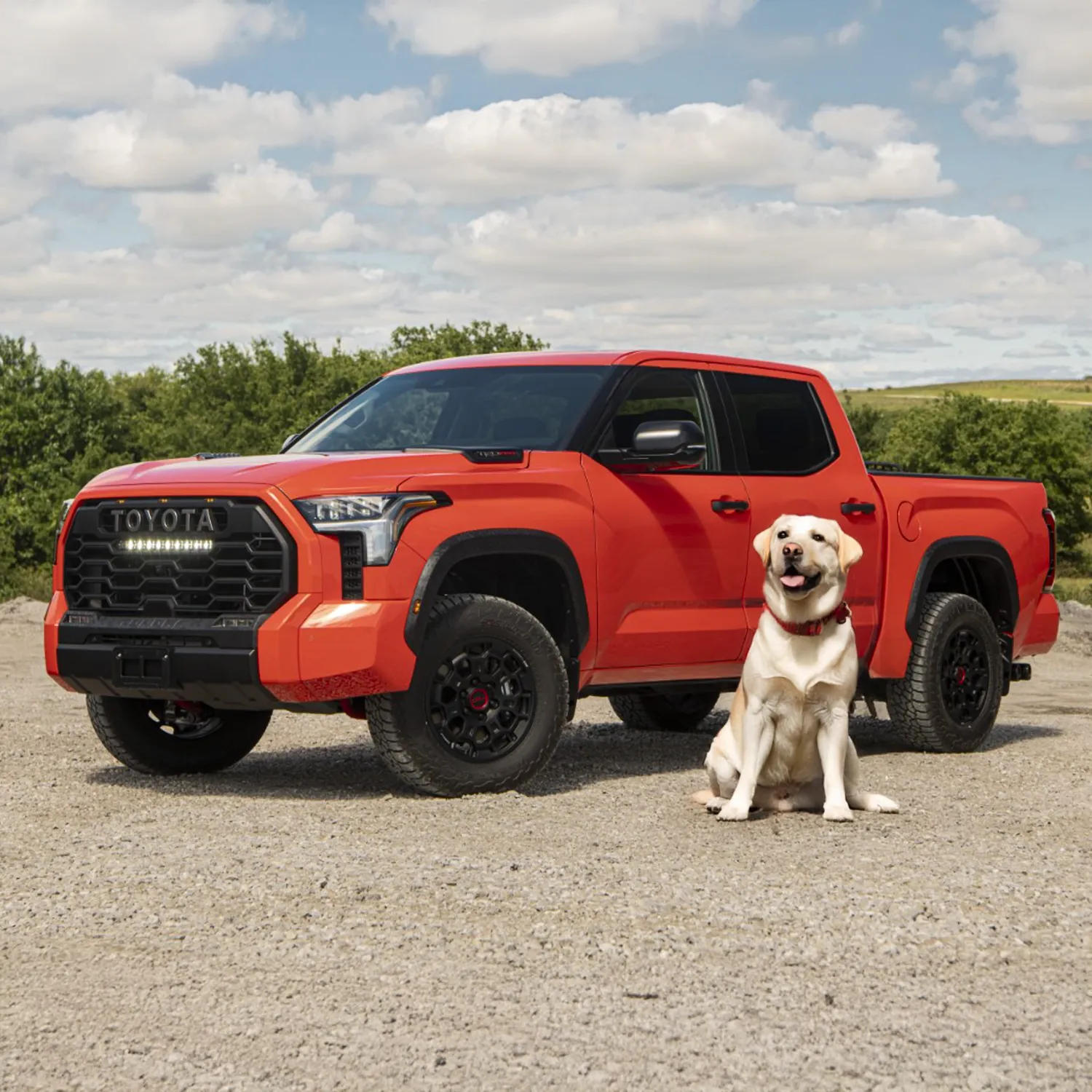
A Practical Upgrade for Dog-Friendly Tundra Trips
A dedicated Toyota Tundra dog seat cover can make daily drives, veterinary visits, trail outings, and long road trips easier to manage. By reducing direct contact with the upholstery, the Travel Buddy helps contain common messes such as loose hair, wet paw prints, crumbs, and dried dirt.
Covering the rear seating area may also simplify cleanup after an active day. Instead of repeatedly cleaning the truck seat itself, owners can remove debris from the cover according to its care instructions. This added layer of protection is particularly useful in a pickup that regularly carries both pets and passengers.
Keep in mind that a seat cover is an upholstery-protection accessory, not a safety restraint. Dogs should still travel with a properly fitted, vehicle-appropriate harness or secured carrier installed according to its manufacturer’s directions.
| Detail | Information |
|---|---|
| Product | Toyota Tundra Dog Seat Cover | “Travel Buddy” by Owleys |
| Price | the listed price USD |
| Availability | currently available |
| Purchase benefits | Free shipping and a 30-day money-back guarantee |
| Compatibility check | Verify model year, cab style, seat dimensions, and seat-belt access |
Materials and Dimensions
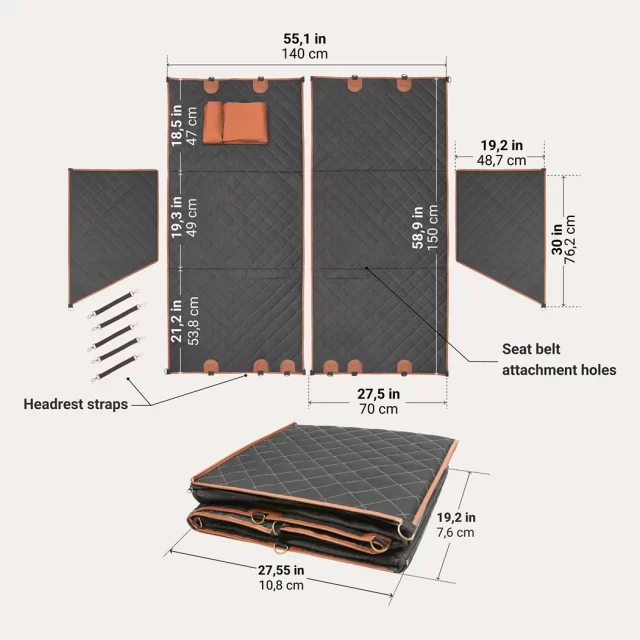
The listed construction combines 600D Oxford , 210D Oxford , EPE foam, high-density foam, recycled PVC and metal alloy. The bottom panel measures 140 × 49 cm, or 55.1 × 19.3 inches, while the listed wall height is 49 cm, or 19.3 inches.
The product specifications list a maximum dog weight of 60 kg, or 132 lb. Dimensions and weight information should be considered alongside the truck’s rear-seat layout and the requirements of the dog’s separate restraint.
Separate Upholstery Protection from Travel Safety
Transport a dog inside the climate-controlled passenger cabin rather than loose in an open pickup bed. An unrestrained animal in a truck bed is exposed to falls, road debris, weather, sudden stops and collisions.
Use a correctly sized restraint or secured carrier designed for vehicle travel, and make sure the cover does not conceal or interfere with its attachment points. The rear passenger area is commonly preferred to the front, where airbags can seriously injure animals.
For longer drives, plan water, bathroom and exercise breaks. Maintain a comfortable cabin temperature, and never leave a dog unattended in a parked vehicle when conditions could become unsafe.
Building a More Organized Truck Interior
Loose leashes, water bottles, towels, toys, and cleanup supplies can clutter the cabin or move during sudden braking.
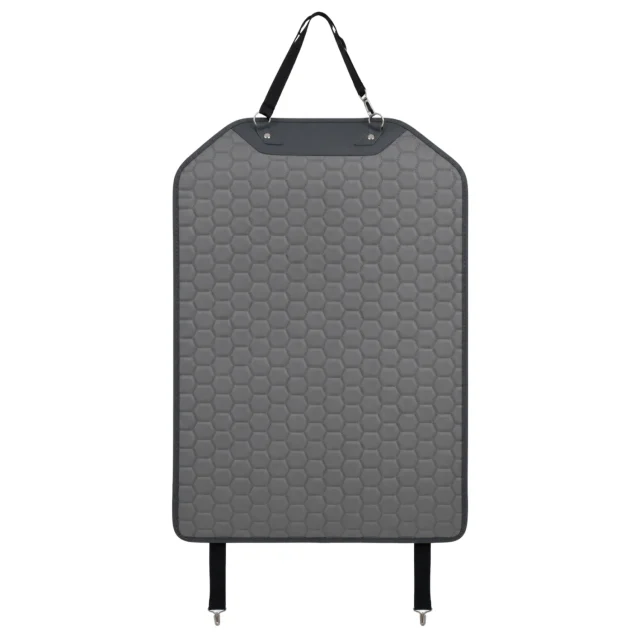
The Travel Buddy Light Seat Cover is another seat cover option to compare with the featured seat cover; verify fit, materials, and included hardware against the same car or use case.
How to use the seat cover
Keep the Rear Cabin Deliberate
Leashes, bottles, towels, toys and cleanup supplies should be arranged so they do not move freely during sudden braking. Keep necessary restraint hardware clear and avoid placing loose objects in the dog’s occupied space.
FAQ
What is the best truck for a dog owner?
The best choice has a climate-controlled passenger cabin, sufficient rear-seat room, accessible restraint points, and a layout compatible with a secured carrier or harness. Cab dimensions and safety features matter more than choosing one truck model for every dog.
Can you put a dog in the back of a truck bed?
An open truck bed is not a safe location for an unrestrained dog because of fall, impact, debris, weather, and collision risks. Transport the dog securely inside the passenger cabin instead.
Is it safe to put my dog in the trunk of my SUV?
Never place a dog in an enclosed trunk. An SUV’s open cargo area is different, but it still requires secure containment, ventilation, temperature control, clear space, and protection from shifting luggage.
What is the safest seat for a dog in a car?
The rear passenger area is commonly preferred over the front seat when the dog is secured with an appropriate, correctly installed restraint or carrier. Consult the vehicle manual and restraint manufacturer’s instructions for final placement.

Leave a comment