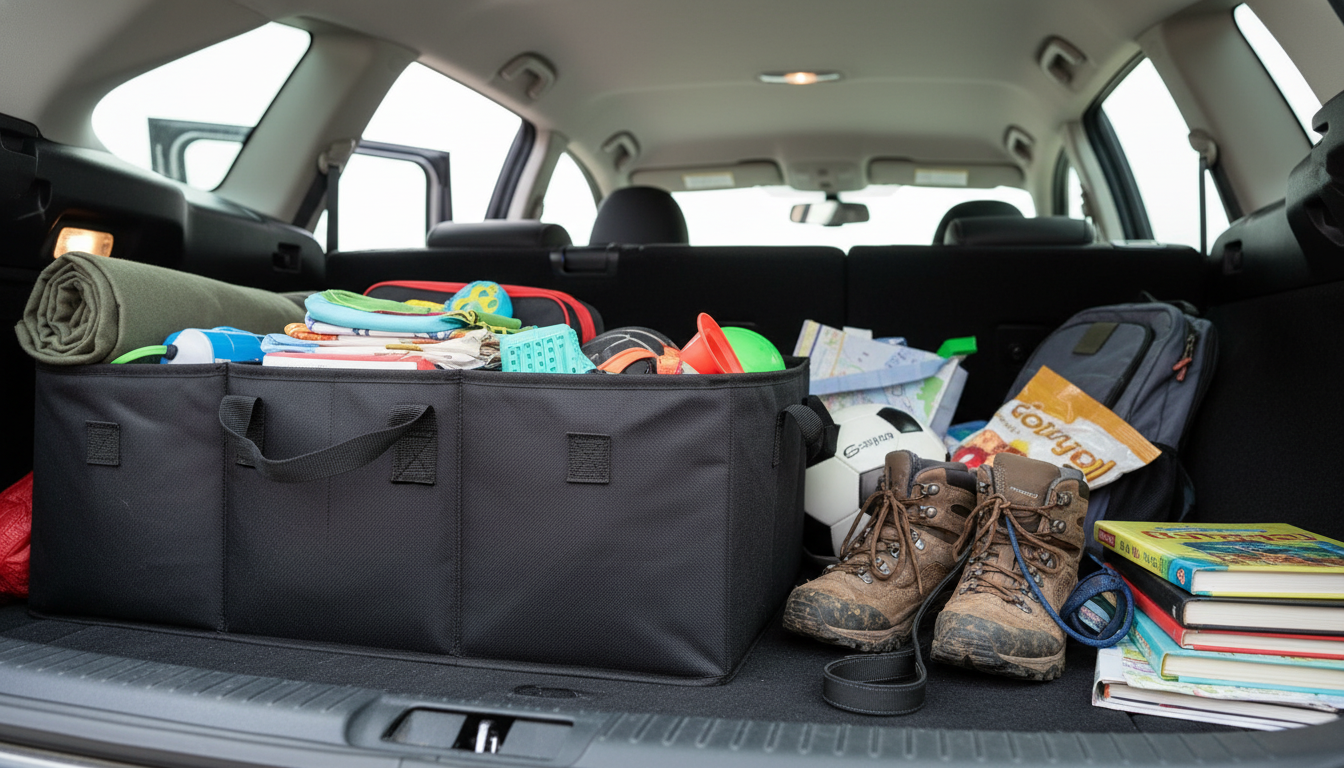
Start by matching the organizer to what you actually carry most days—groceries, sports gear, cleaning supplies, emergency items, or kid essentials. The “right” trunk organizer is the one that fits your vehicle, keeps items from tipping or rolling, and is quick to set up and fold away when you need the space back.
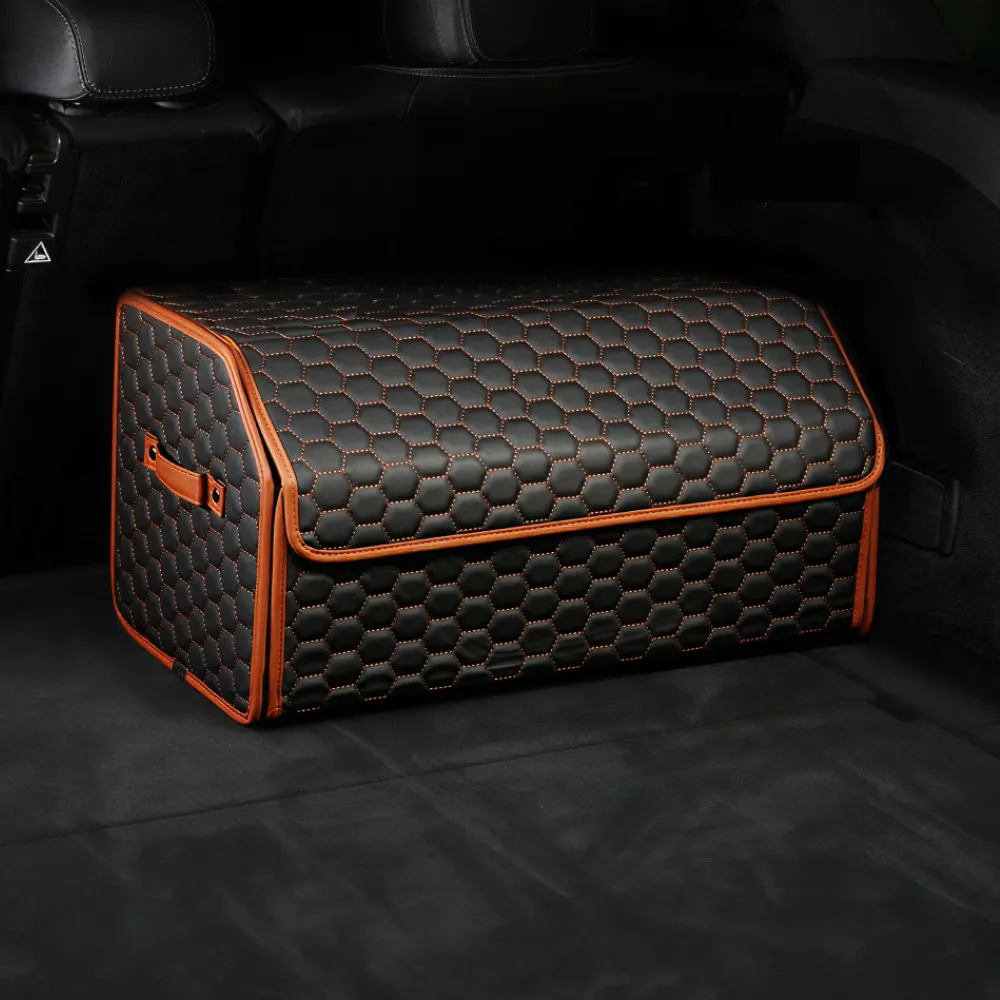
Before buying, check the usable width and depth of your trunk, especially if you often keep a stroller, spare tire access panel, or subwoofer enclosure in place. A compact organizer can be easier to live with daily, while a wider model makes sense if you regularly haul bulkier loads. If you want more detail on sizing and everyday use, see the full guide here: https://owleys.com/guide-foldable-car-trunk-organizer-21-6-inch-velcrotic-hexy/.
Look for a compartment setup that mirrors how you sort items. Multiple main compartments help separate groceries from tools or car-care products. Smaller side pockets are useful for wipes, gloves, cords, or a flashlight. If you carry tall items (detergent jugs, sports bottles), check the wall height so they stay upright.
A trunk organizer should stay put during turns and sudden stops. Non-slip bottoms, Velcro-backed panels (for carpeted trunks), and adjustable straps can reduce shifting. Stability matters most if you carry liquids, glass, or anything that can spill or rattle.
Choose sturdy fabric with reinforced stitching and rigid base support if you want it to hold shape when partly filled. If you expect heavier items—like detailing products, tool bags, or canned goods—avoid thin walls that bow outward. Water-resistant surfaces are helpful for wet umbrellas, muddy shoes, or snowy gear.
Foldability is key if you switch between organized storage and open cargo space. Strong handles make it easier to move the organizer out of the car in one trip. For cleanup, wipeable interiors save time after spills.
Use Velcro panels if your trunk is carpeted, or choose an organizer with a non-slip base and tie-down straps. Keeping heavier items low and centered also reduces shifting during braking and turns.
Join the Owleys Adventure Club and get exclusive access to Red, White & Road-Ready deals with savings up to 35% OFF from July 23.

Choose the adventure that speaks to you and receive tailored recommendations from the Owleys Adventure Club.
Get ready for exclusive member discounts, early access to new products, special gifts, and travel inspiration from the Owleys team.
Your guide will arrive within 5 minutes.Please ensure all fields are completed correctly.
error
Leave a comment