
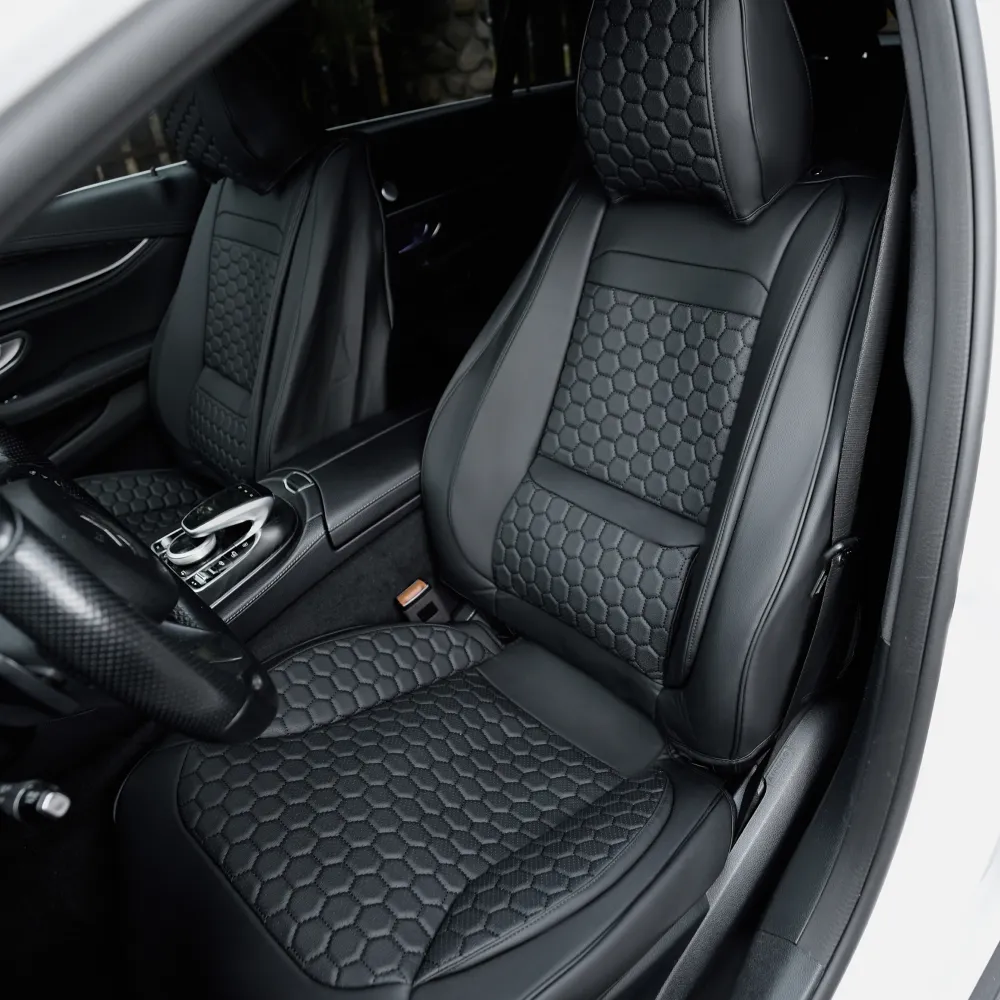
 Eco-Leather Car Seat Covers | “Harlow” by Owleys
$179.9View product
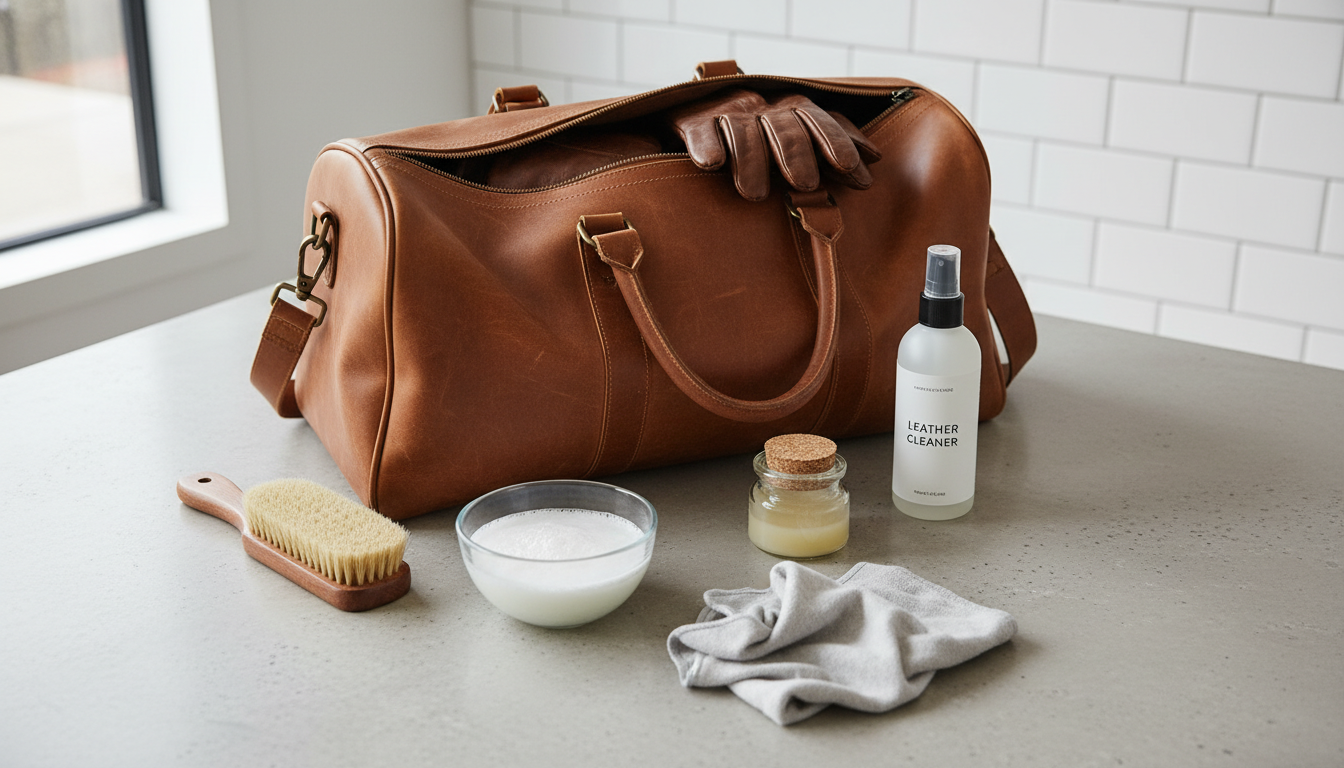
You generally don’t “wash” 100% leather the way you would fabric. Leather is skin, and too much water or the wrong cleaner can strip oils, cause stiffness, or leave water marks. The safest approach is controlled cleaning: remove dry debris first, wipe with a lightly damp cloth, then use a leather-specific cleaner and finish with conditioner.
1) Identify the leather finish. Most consumer leather is finished (protected) and can handle gentle wiping. Suede or nubuck is unprotected and needs specialty care; avoid water-based cleaning on those surfaces.
2) Vacuum and dust. Use a soft brush attachment to remove grit from seams and creases so you don’t grind particles into the surface.
3) Wipe with minimal moisture. Dampen a microfiber cloth with distilled water, wring it well, and wipe lightly. Never soak the leather.
4) Use a leather cleaner (not household soap). Apply a small amount to a cloth (not directly onto the leather), work in gentle circular motions, and clean one section at a time. Avoid harsh agents like bleach, ammonia, alcohol, and most all-purpose cleaners.
5) Dry naturally. Pat with a dry microfiber cloth and let it air dry away from sunlight, heaters, or hair dryers, which can cause cracking.
6) Condition after cleaning. Once dry, apply a leather conditioner sparingly to restore oils and flexibility. Buff lightly to remove any residue.
Blot spills immediately (don’t rub). For oily spots, a small amount of leather-safe absorbent (like cornstarch) can help draw out oil before cleaning—test first in an inconspicuous area. If dye transfer or stubborn stains persist, a professional leather cleaner is usually the safest option.
If you’re caring for automotive upholstery or seat covers, confirm whether it’s genuine leather, bonded leather, or eco leather. Cleaning methods can vary, especially for suede-like surfaces. For more on materials and care considerations, see this guide to Harlow eco leather seat covers and breathable suede comfort.
Use as little water as possible and avoid household soaps, which can strip oils and leave the leather dry or streaky. Instead, wipe with a barely damp microfiber cloth and use a leather-specific cleaner, then condition once it’s dry.
Subscribe for Owleys product launches, fresh car accessories, and exclusive Adventure Club savings up to 30% OFF.

Choose the adventure that speaks to you and receive tailored recommendations from the Owleys Adventure Club.
Get ready for exclusive member discounts, early access to new products, special gifts, and travel inspiration from the Owleys team.
Your guide will arrive within 5 minutes.Please ensure all fields are completed correctly.
error
Leave a comment