
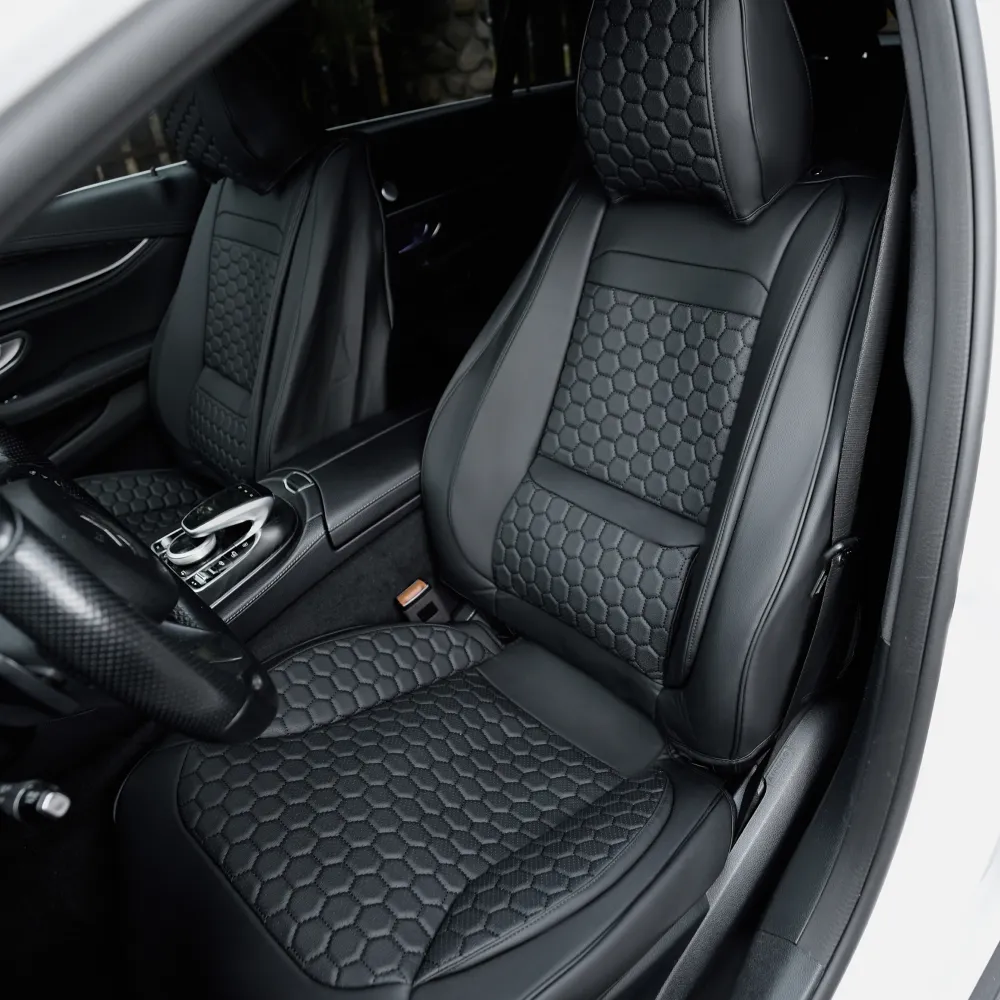
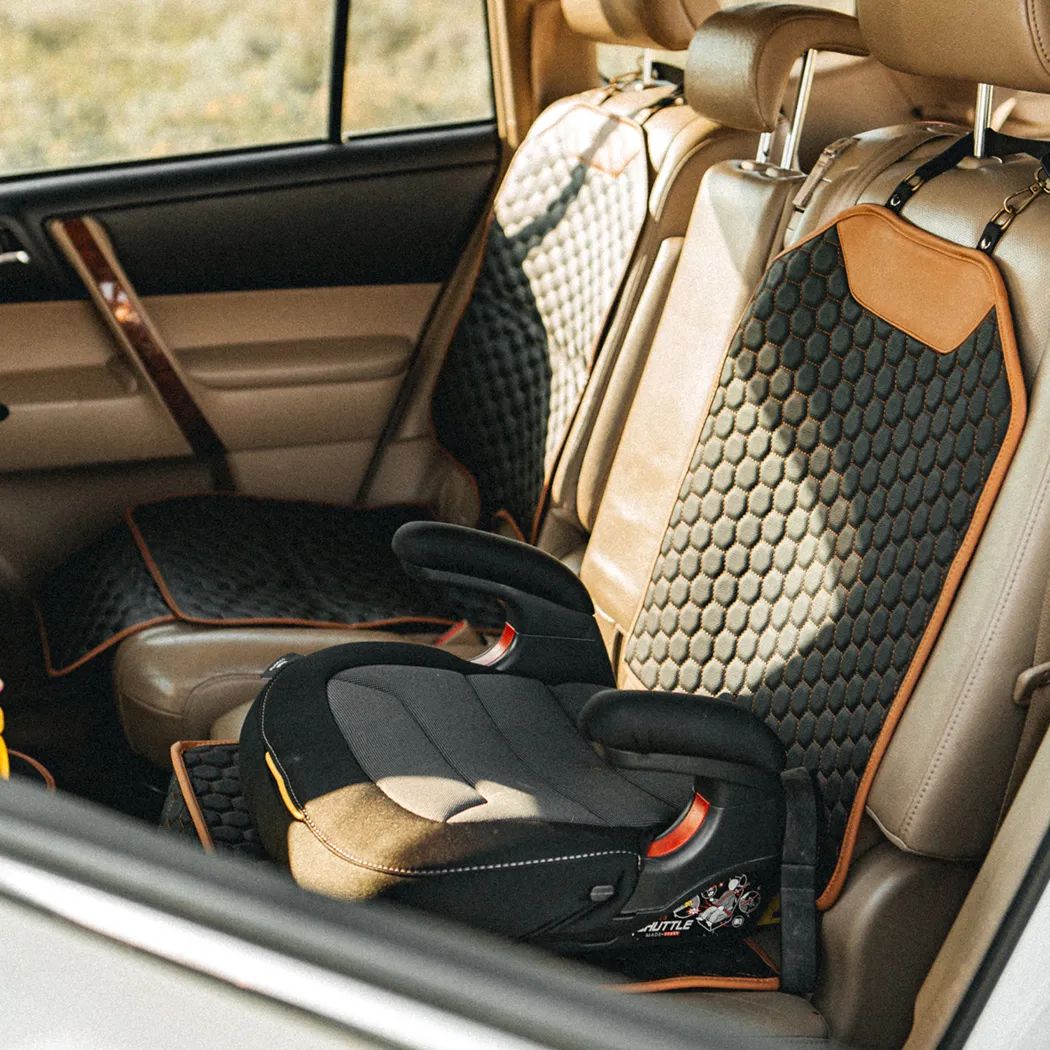
 Eco-Leather Car Seat Covers | “Harlow” by Owleys
$179.9View product
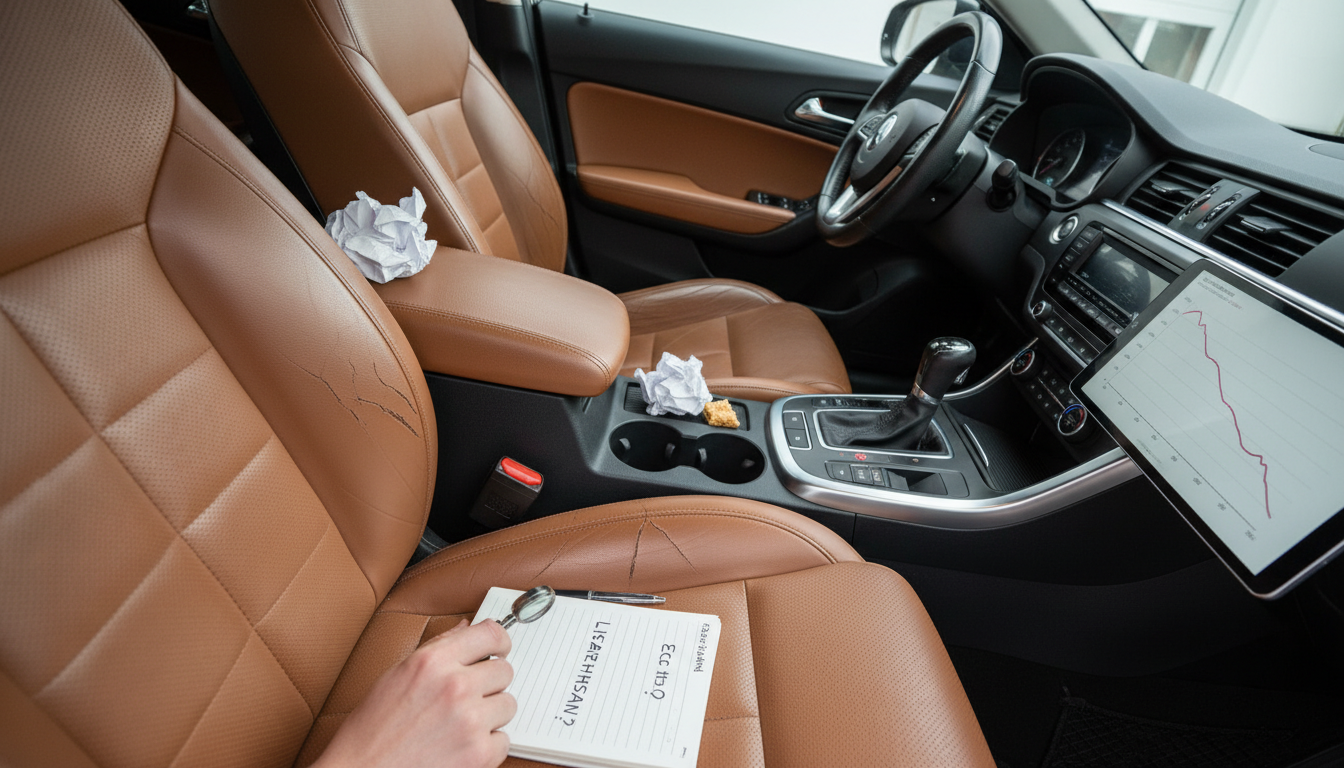
Eco leather can last about 3 to 10 years in everyday use, and longer when it’s made with quality materials and cared for consistently. The biggest factors are the type of eco leather (PU-based vs. plant-based or recycled blends), how much friction it sees, and exposure to heat and UV light. In a car, high-contact areas like seat bolsters typically show wear sooner than low-contact panels.
For automotive applications, eco leather that’s properly manufactured and installed is often designed to handle frequent entry/exit, temperature swings, and abrasion. With routine cleaning and basic protection, many owners see several years of good appearance before noticeable cracking, peeling, or surface dulling becomes an issue.
Below are practical points for what affects eco leather’s lifespan?.
Not all eco leather is the same. Higher-quality versions use stronger backing layers, more durable coatings, and tighter manufacturing tolerances. Those details help resist stretching, micro-cracking, and premature peeling.
UV exposure and high cabin heat can dry out or break down surface coatings over time, especially in sunny climates or vehicles parked outdoors. Using a windshield shade and parking in the shade can materially extend service life.
Frequent rubbing (sliding in/out), sharp objects (keys, rivets), and harsh cleaners can shorten lifespan. Gentle cleaning with a damp microfiber cloth and a product made for synthetic leather helps maintain the finish and prevents buildup that accelerates wear.
Keep it clean, avoid solvent-based cleaners, and wipe up spills quickly so they don’t soak into seams or backing. Reduce sun exposure when possible, and consider periodic conditioning products that are specifically labeled safe for PU/synthetic leather. For a deeper look at eco leather seat cover comfort, breathability, and care considerations, see the guide here: https://owleys.com/guide-harlow-eco-leather-seat-covers-breathable-suede-comfort/.
Eco-leather is a leather-like upholstery made without traditional animal hide, most commonly using polyurethane (PU) over a fabric backing, sometimes incorporating recycled or plant-based components. It’s designed to mimic the look and feel of leather while being easier to clean and often more budget-friendly.
Subscribe for Owleys product launches, fresh car accessories, and exclusive Adventure Club savings up to 30% OFF.

Choose the adventure that speaks to you and receive tailored recommendations from the Owleys Adventure Club.
Get ready for exclusive member discounts, early access to new products, special gifts, and travel inspiration from the Owleys team.
Your guide will arrive within 5 minutes.Please ensure all fields are completed correctly.
error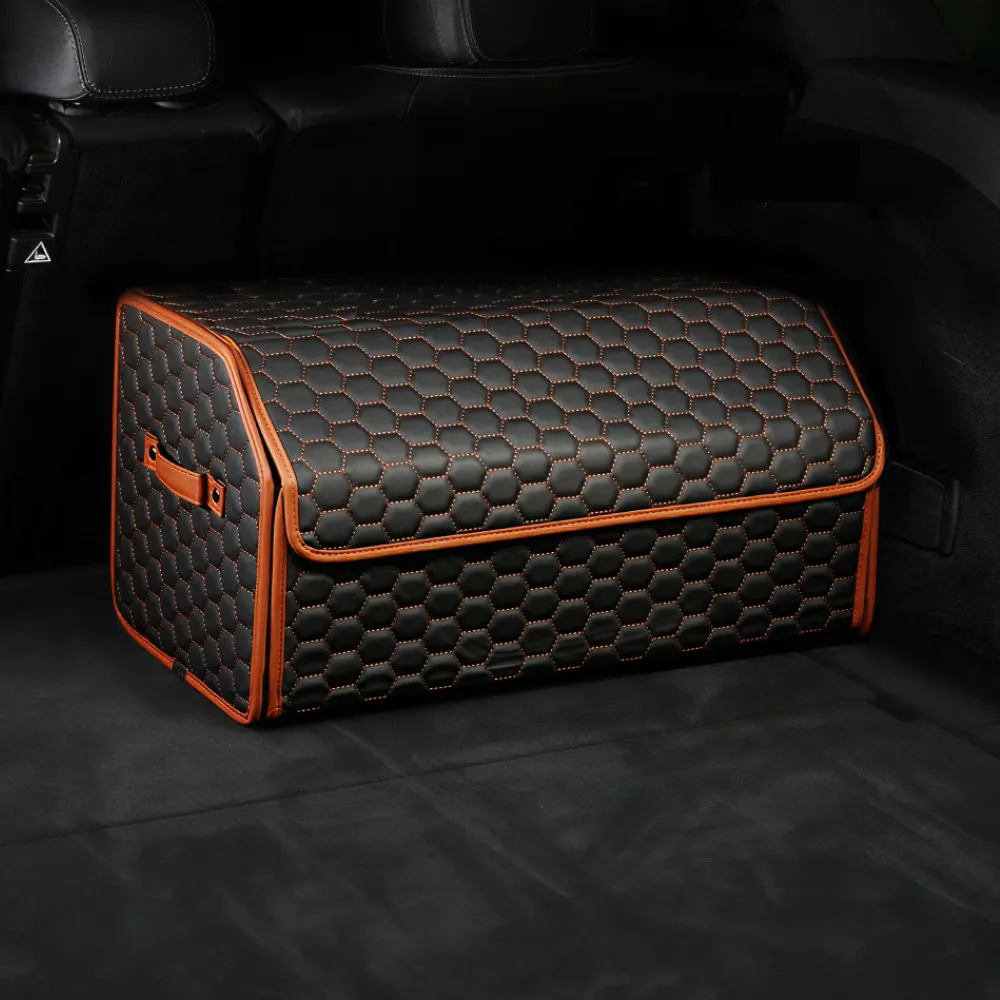
Leave a comment