
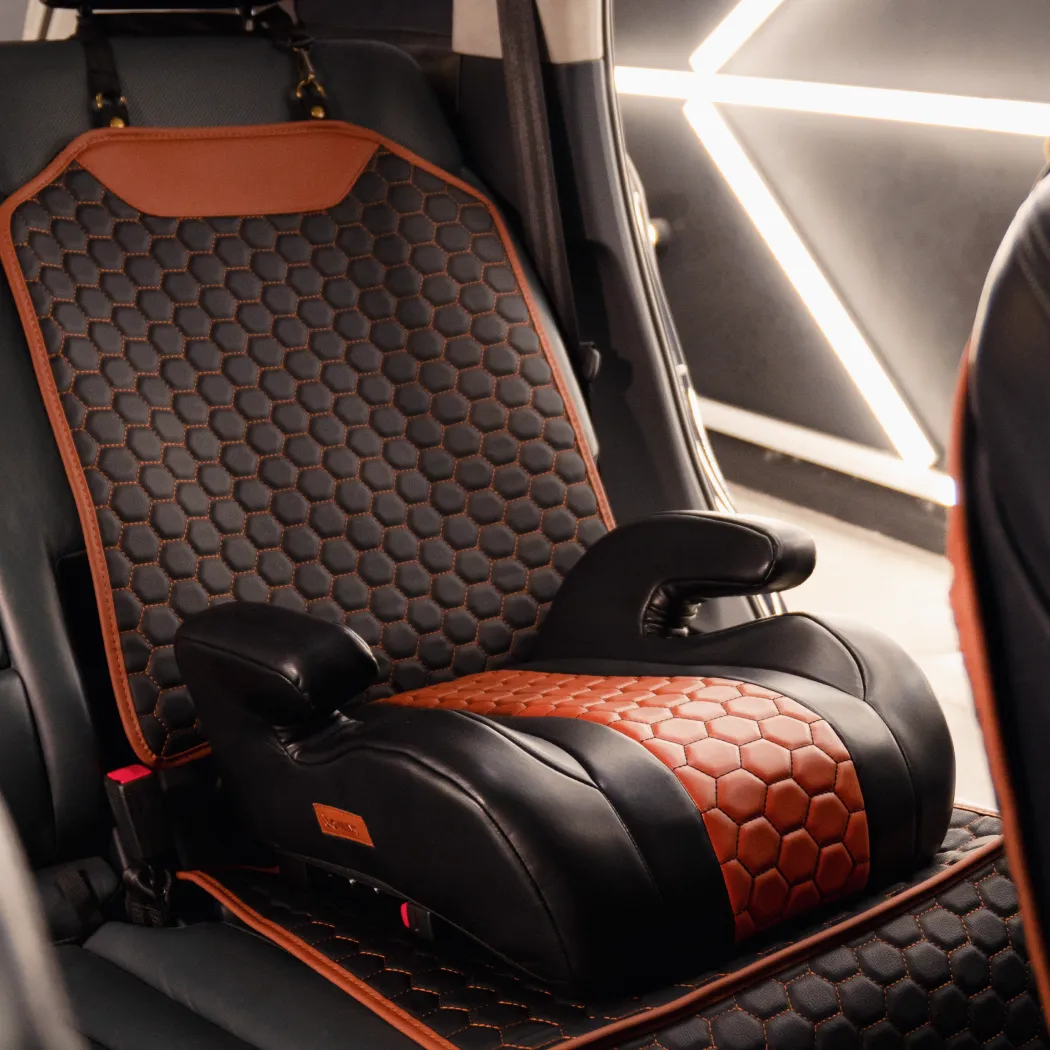
 Backless Booster Seat with LATCH | “Snug Bug” by Owleys
$157.2View product
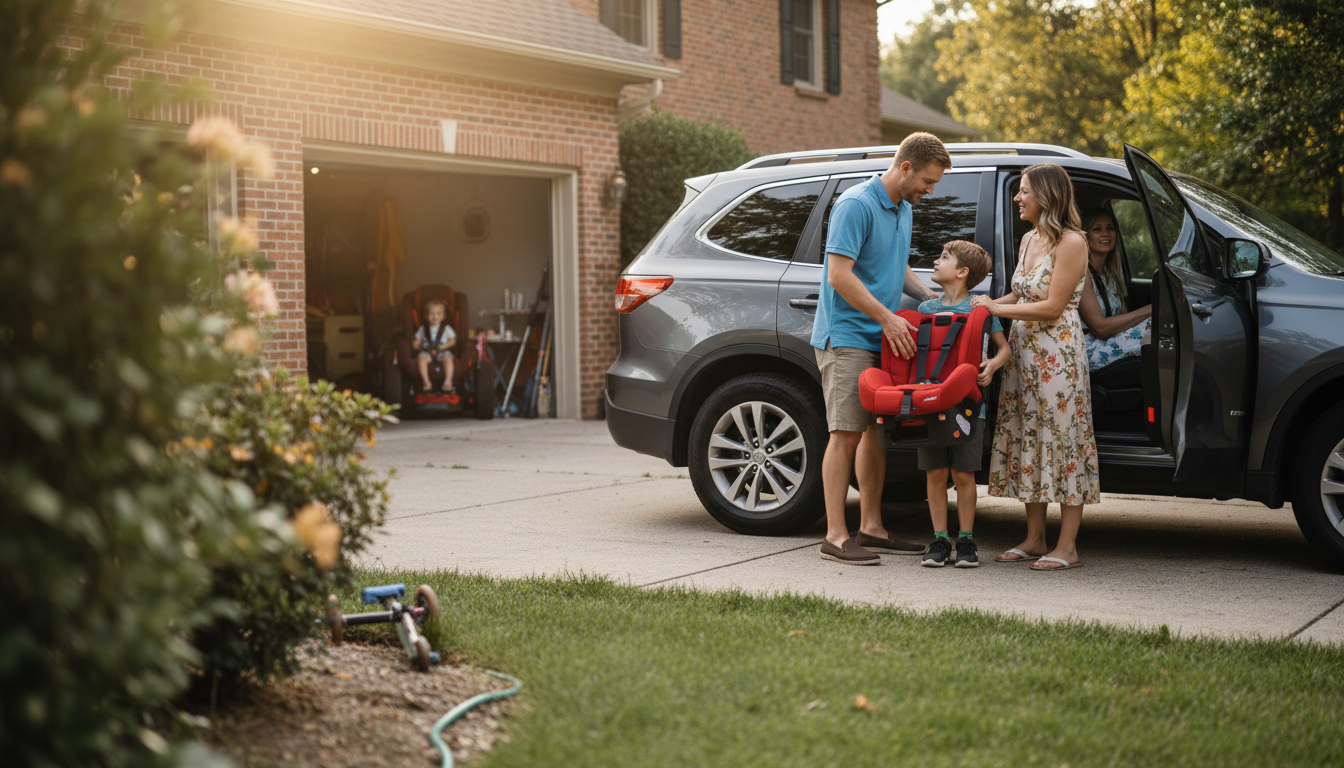
There isn’t one perfect height-and-weight number, but most kids are ready for a belt-positioning booster when they’ve outgrown their forward-facing car seat with a harness and are typically at least about 40 pounds. Height matters, too: the child should be tall enough to sit with their back against the vehicle seat and knees bending naturally at the edge without slouching. If they slide forward to get comfortable, the seat belt may ride up onto the belly or neck—both are signs the child isn’t fitting correctly yet.
Age can be a helpful guideline (many children transition around 5–7 years old), but fit and behavior are more important. A child using a booster needs to sit upright the whole ride, not lean, tuck the shoulder belt behind their back, or wiggle out of position.
Instead of focusing only on height and weight, use these belt-fit checkpoints:
A high-back booster can help position the belt and provide head support in vehicles without adequate head restraints. A backless booster can work well when the vehicle seat and headrest already offer proper support and the seat belt geometry provides a good fit. For practical guidance on choosing and using a backless booster, see this backless booster seat fit and safety guide.
Most children need a booster until the vehicle seat belt fits correctly without it—often around 4’9″ (57 inches) and between about 8–12 years old. A quick check is whether the child can sit all the way back with knees bent at the seat edge while the lap and shoulder belts stay in the safe positions described above.
A good booster fit means the lap belt sits low and flat across the upper thighs/hips (not the belly) and the shoulder belt crosses the middle of the chest and shoulder (not the neck or slipping off). Your child should sit all the way back with knees bending at the seat edge and be able to stay upright like that for the whole ride.
Subscribe for Owleys product launches, fresh car accessories, and exclusive Adventure Club savings up to 30% OFF.

Choose the adventure that speaks to you and receive tailored recommendations from the Owleys Adventure Club.
Get ready for exclusive member discounts, early access to new products, special gifts, and travel inspiration from the Owleys team.
Your guide will arrive within 5 minutes.Please ensure all fields are completed correctly.
error
Leave a comment