
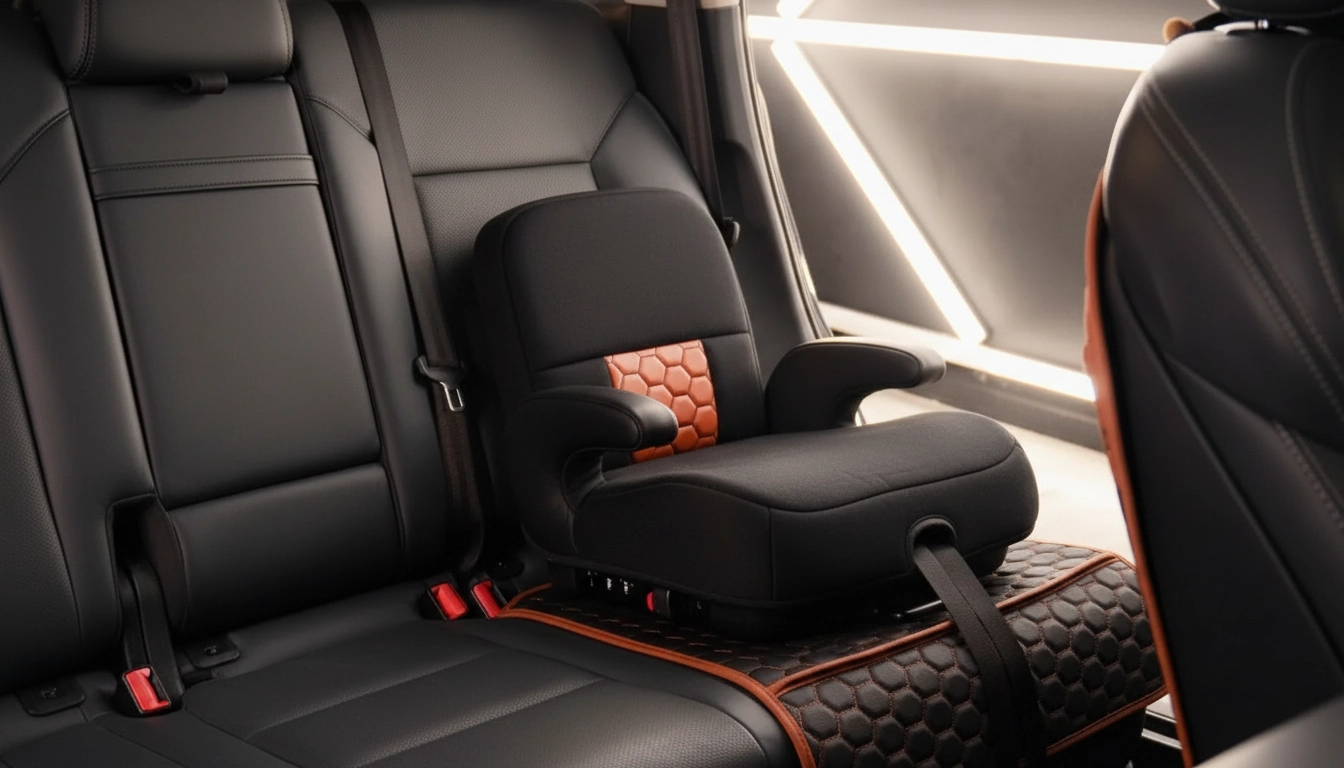
What Age Can a Child Use a Backless Booster?
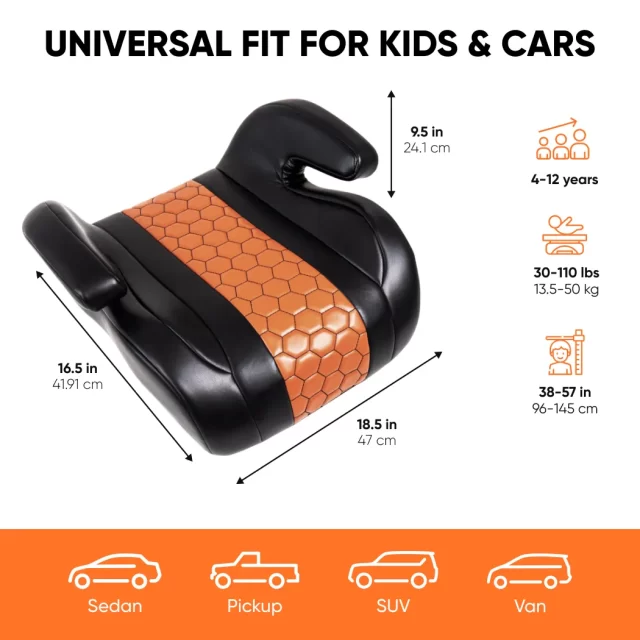
A child can typically use a backless booster around age 5 to 8, but age alone is not enough. The safer rule is to check your child’s height, weight, maturity, and how the vehicle seat belt fits with the booster in place. Most backless boosters are designed for children who weigh at least 40 pounds and are mature enough to sit upright for the entire ride. Always follow the booster seat label and manual, because minimum weight, height, and age limits vary by model.
Check the Booster Seat’s Minimum Requirements
Before using a backless booster, read the product label for the exact weight and height range. Many models start at 40 pounds, while some also list a minimum height or age, such as 4 years old or older. As a concrete step, compare your child’s current weight and standing height with the booster’s printed limits. If your child is below any listed minimum, continue using a forward-facing harnessed car seat.
Make Sure the Seat Belt Fits Correctly
A backless booster is only safe when it positions the vehicle seat belt properly. The lap belt should lie low across the upper thighs, not the stomach, and the shoulder belt should cross the center of the chest and shoulder. Have your child sit all the way back against the vehicle seat, then buckle the seat belt and check the belt path. If the shoulder belt touches the neck or slips off the shoulder, a high-back booster may fit better.
Confirm Your Child Can Sit Properly
Backless boosters do not have side wings or a harness, so your child must be able to stay in position without leaning, slouching, or tucking the shoulder belt behind their back. This maturity requirement is just as important as weight. Test this on short rides first. If your child cannot keep the belt flat and their back against the seat, move back to a harnessed seat or high-back booster.
Check Vehicle Compatibility
A backless booster works best in a seating position with a head restraint that supports your child’s head at least to the tops of the ears. Without proper head support, a high-back booster is usually the better choice. Also check that the vehicle has a lap-and-shoulder belt, not a lap-only belt. Booster seats should never be used with lap-only belts because they do not protect the upper body in a crash.
Use Booster Fit Checks Regularly
Children grow quickly, and belt fit can change from one vehicle to another. Recheck the lap belt, shoulder belt, head support, and booster placement any time your child grows or rides in a different car. For a deeper step-by-step guide, review these booster seat belt fit and safety checks . A correct fit helps keep daily rides comfortable while supporting proper crash protection.
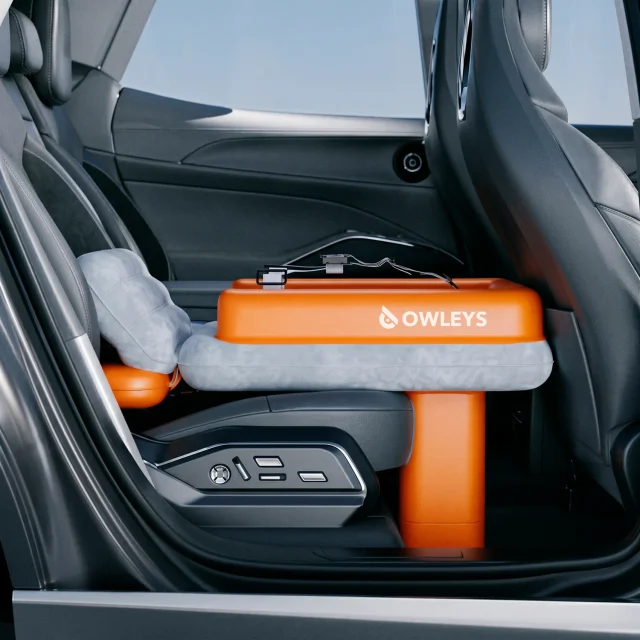
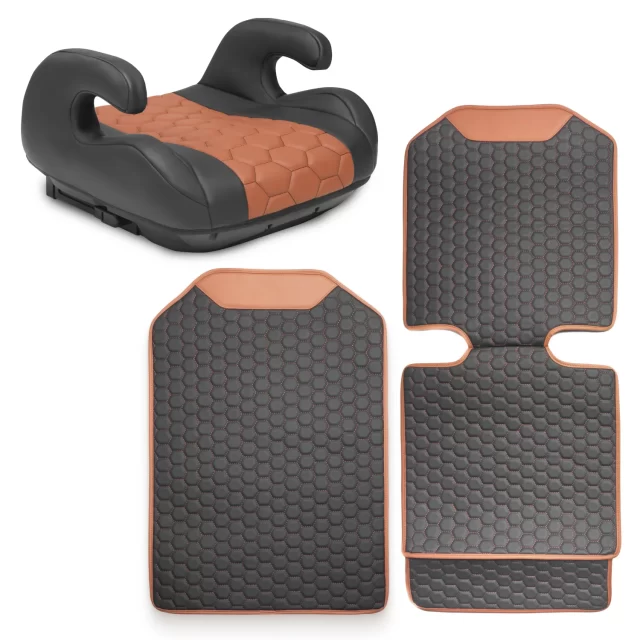
For child booster readiness, the Roadnest Travel Bed provides a defined sleep surface during family stops and overnight travel, pairing with the booster seat during everyday use.
How to use the booster seat
“Amazing quality and fits my car nicely. Very easy to attach and clean. Right out of the box it feels well made and secure. Thanks.”
For the full product context, see the main Owleys guide.
FAQ
When should I switch to a backless booster?
Switch to a backless booster only after the child has outgrown the forward-facing harness limits and can remain correctly positioned for the whole ride. Check the booster manufacturer’s height and weight limits, confirm vehicle head support, and verify correct lap-and-shoulder belt fit.
Can a 40 lb 5 year old be in a booster seat?
A child’s age and weight alone do not establish readiness for a booster seat. Confirm that the forward-facing harness limits have been exceeded, every booster manufacturer minimum is met, and the child can keep the lap-and-shoulder belt correctly positioned for the entire ride.
Are backless boosters as safe as high-back boosters?
A backless booster and a high-back booster can both be safe and provide correct belt positioning when the child meets the model limits and the vehicle setup is compatible. A backless booster requires adequate vehicle head support, while a high-back booster can add head support and help position the shoulder belt; follow the manufacturer instructions for the child and vehicle.

Leave a comment