
01 What is the most breathable seat cover material? 02 Why 3D spacer mesh (air mesh) stands out 03 How other common materials compare (breathability-first) 04 W…
Read guideBest Car Seat Covers for Hot Weather: Stay Cool
4.9★
11 reviews
Customer rating on product page
32%
Product page deal
save $64.80
What car seat covers are best for hot weather?
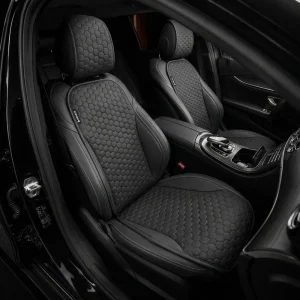
The best car seat covers for hot weather are breathable, moisture-managing covers that let air circulate instead of trapping heat against your back and legs. Look for materials like 3D mesh, ventilated “air” layers, and performance fabrics designed to reduce sweat buildup during summer commutes, road trips, or stop-and-go errands.
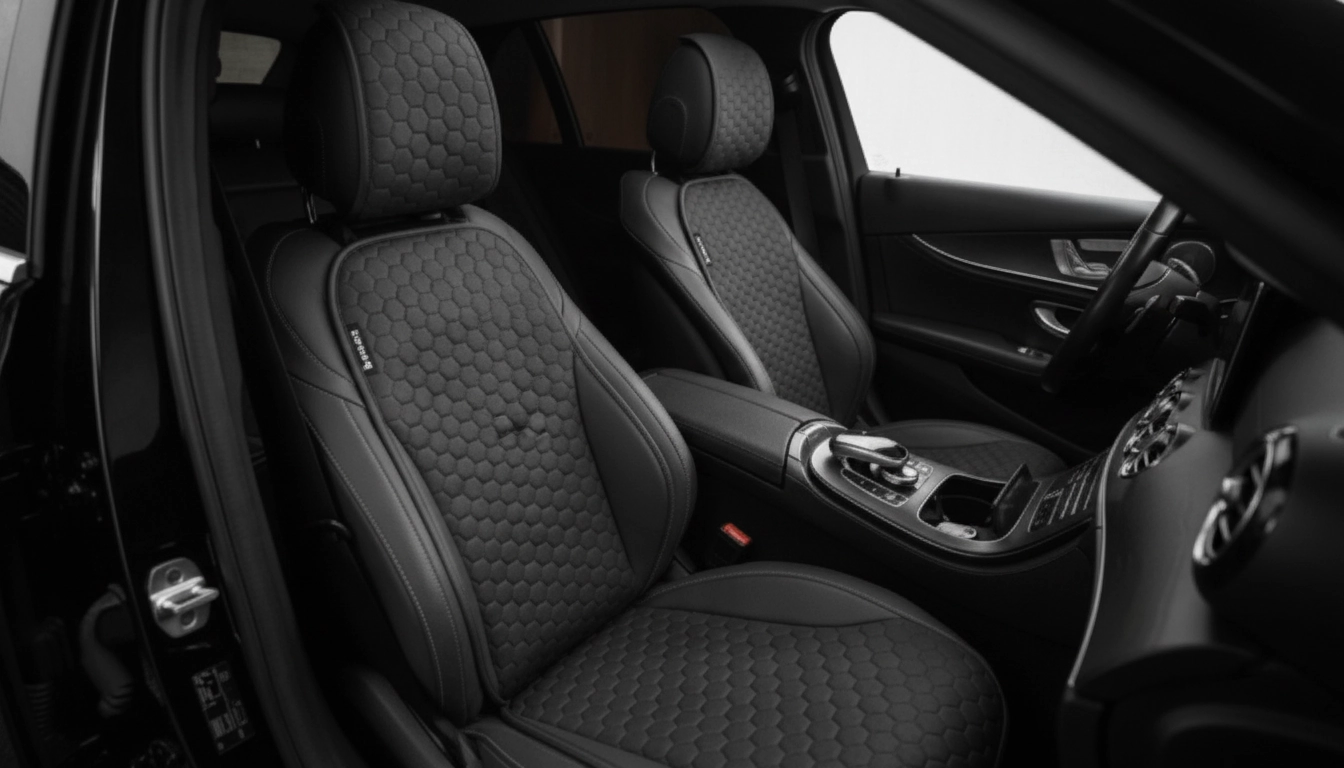
Breathable construction (not just “soft” fabric)
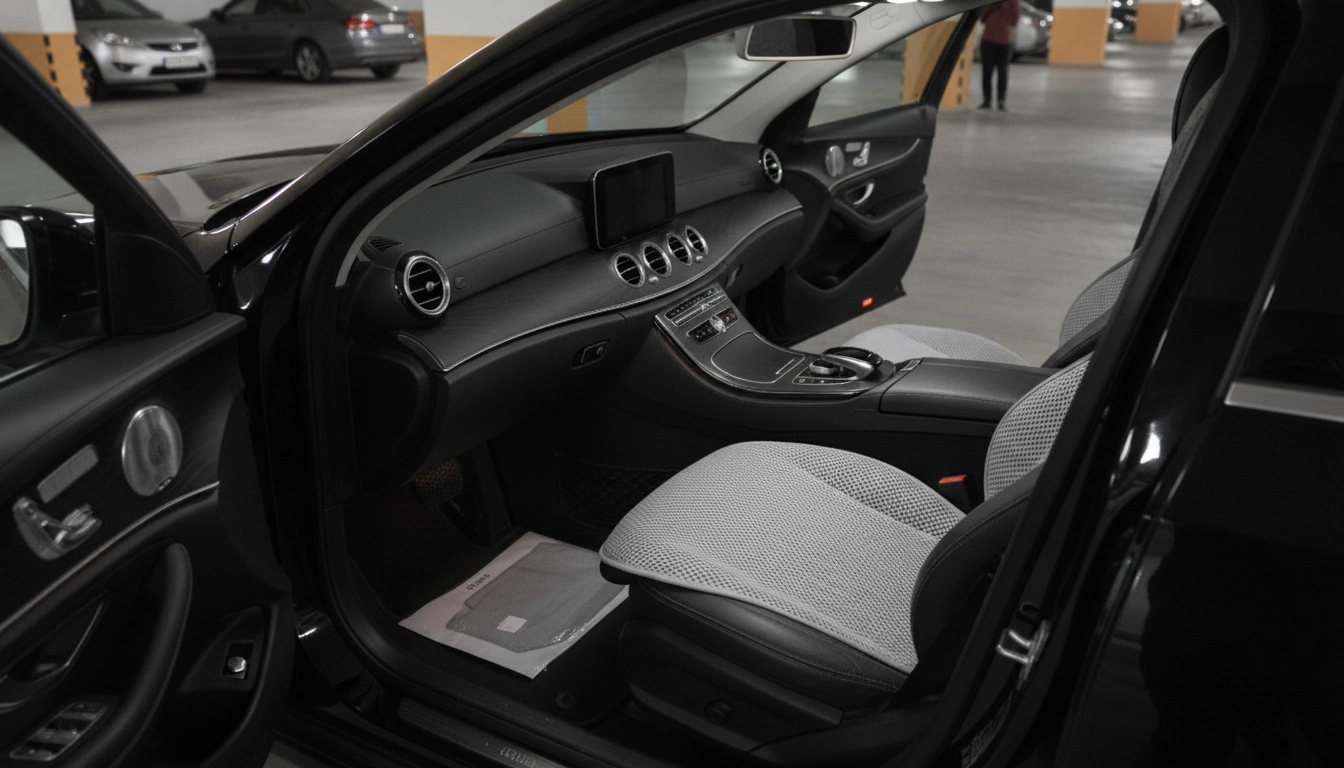
Prioritize covers built with airflow in mind, such as 3D spacer mesh or multi-layer designs that create a small air gap between you and the seat. This structure helps heat escape and can feel noticeably cooler than flat, tightly woven fabrics.
- Look for structure: mesh or spacer layers that don’t collapse under weight.
- Prefer ventilation-friendly surfaces: perforations or airflow channels can help.
- Avoid “sealed” finishes: glossy, non-perforated surfaces tend to hold warmth.
Moisture-wicking and quick-drying surfaces
In high temperatures, sweat management matters as much as ventilation. Covers with moisture-wicking top layers help keep clothing from feeling damp, and quick-drying materials are easier to live with if you’re frequently getting in the car after the gym, outdoor work, or the beach.
For a single reference point while you shop, compare details directly on the product listing: Breathable Front Car Seat Covers | “AirLux” .
Light colors and heat-reflective finishes
Darker covers can absorb more heat when the car has been sitting in the sun. Lighter shades may stay more comfortable, especially if your vehicle is parked outside for long stretches.
If you routinely park in direct sunlight, it can help to think of seat covers as part of a broader heat strategy: shade, reflective windshield screens, and ventilation together can make the cabin feel more manageable.
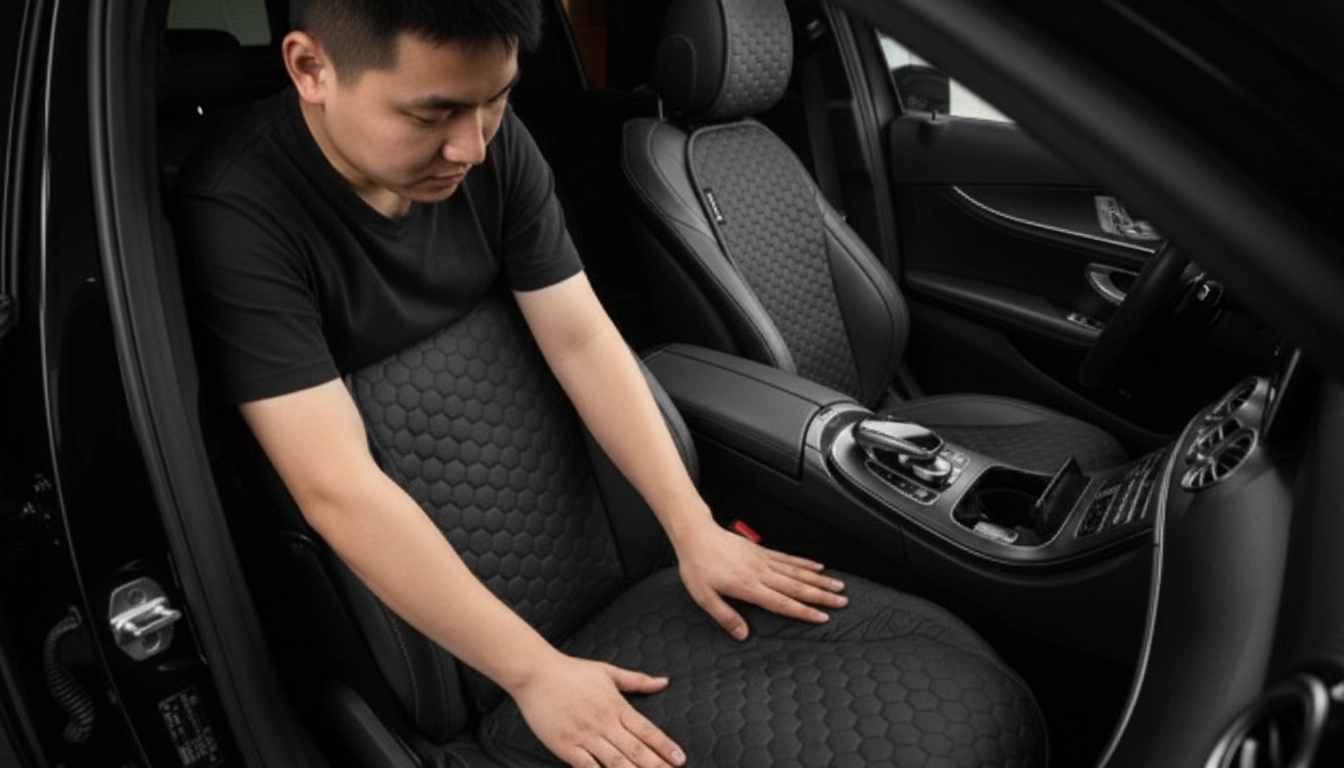
Watch · product page video
“Picked the single version for the driver’s seat. The material is amazing. It feels soft without trapping heat and I really like the design. Nice seat cover that doesn’t make the cabin look cheap”
Owleys product page · Product video
View productSecure fit that won’t block seat features
A cover that bunches up can reduce airflow and feel hotter. Choose a design with strong anchoring (straps, buckles, and anti-slip backing) and check compatibility with side airbags and seat controls. If your vehicle has ventilated seats, select a cover specifically designed not to choke off airflow.
- Airbags: confirm side-airbag compatibility before installing.
- Controls: keep seat levers, buttons, and lumbar features accessible.
- Ventilation: avoid dense layers that can block airflow through perforations.
Which materials to avoid in extreme heat
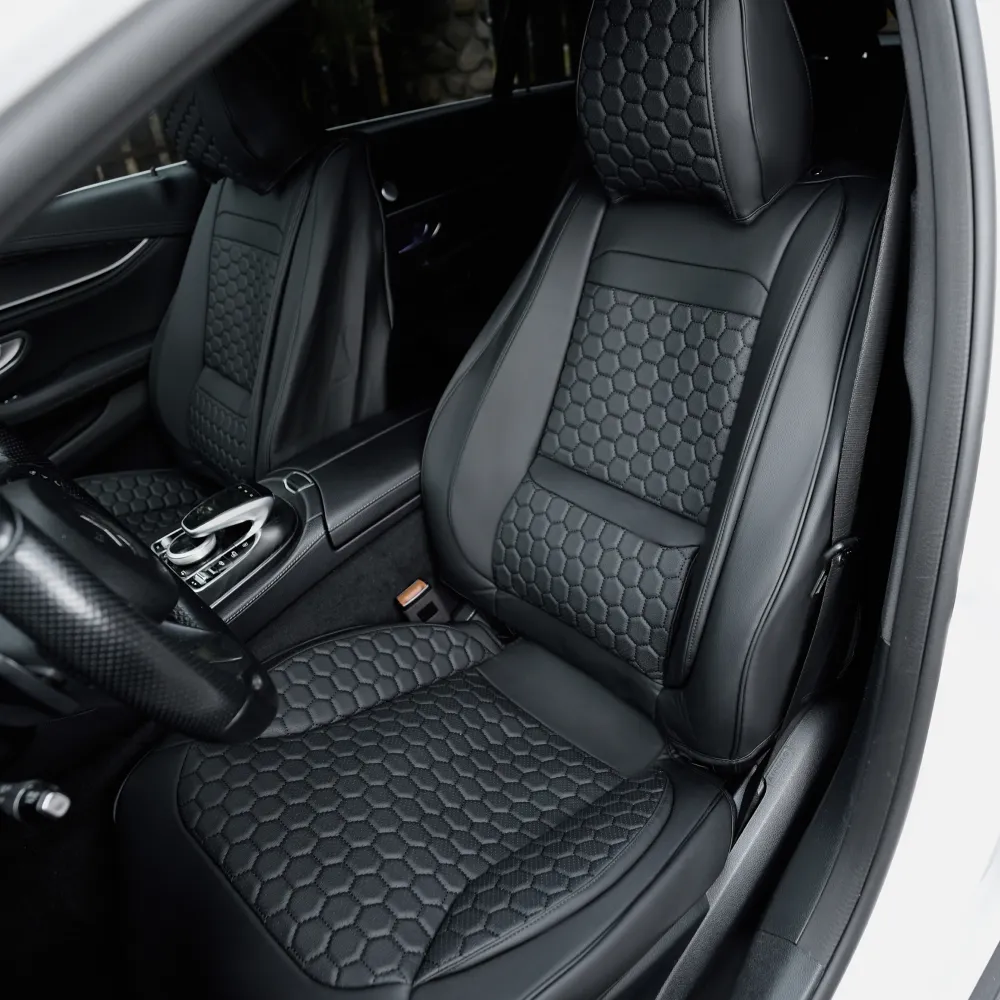
Thick faux leather and non-perforated vinyl tend to trap heat and can feel sticky in humid weather. Heavy, non-breathable padding can also hold warmth even after the AC kicks in. If you prefer a leather look, opt for perforated or ventilated versions paired with breathable backing.
As a rule of thumb: if a material feels “sealed” to the touch, it’s more likely to hold heat and moisture against the body during summer driving.

Leave a comment