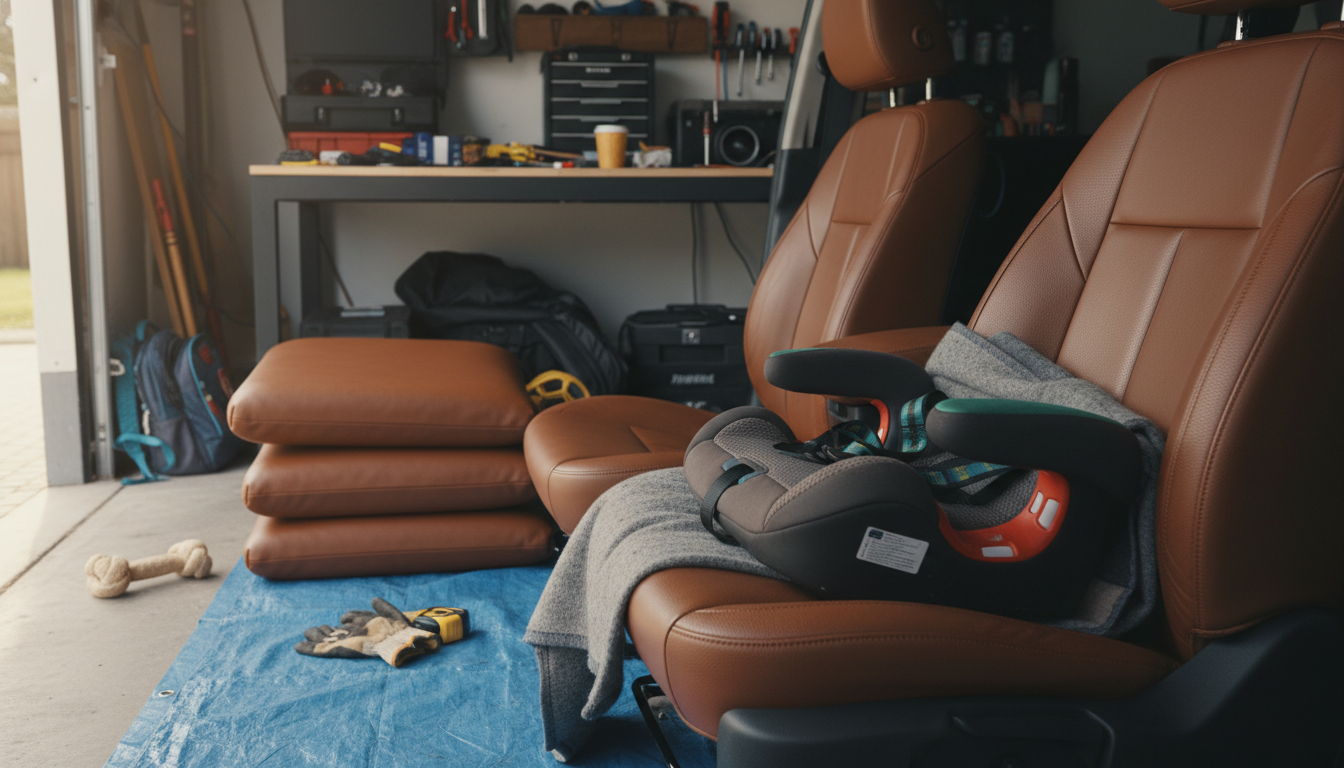
Premium eco leather is used anywhere a durable, leather-like surface is needed—especially when you want a refined look with easier upkeep and a lower reliance on animal hides. It’s commonly engineered as a high-quality synthetic or hybrid upholstery material designed to mimic the feel and appearance of leather while improving consistency, stain resistance, and day-to-day practicality.
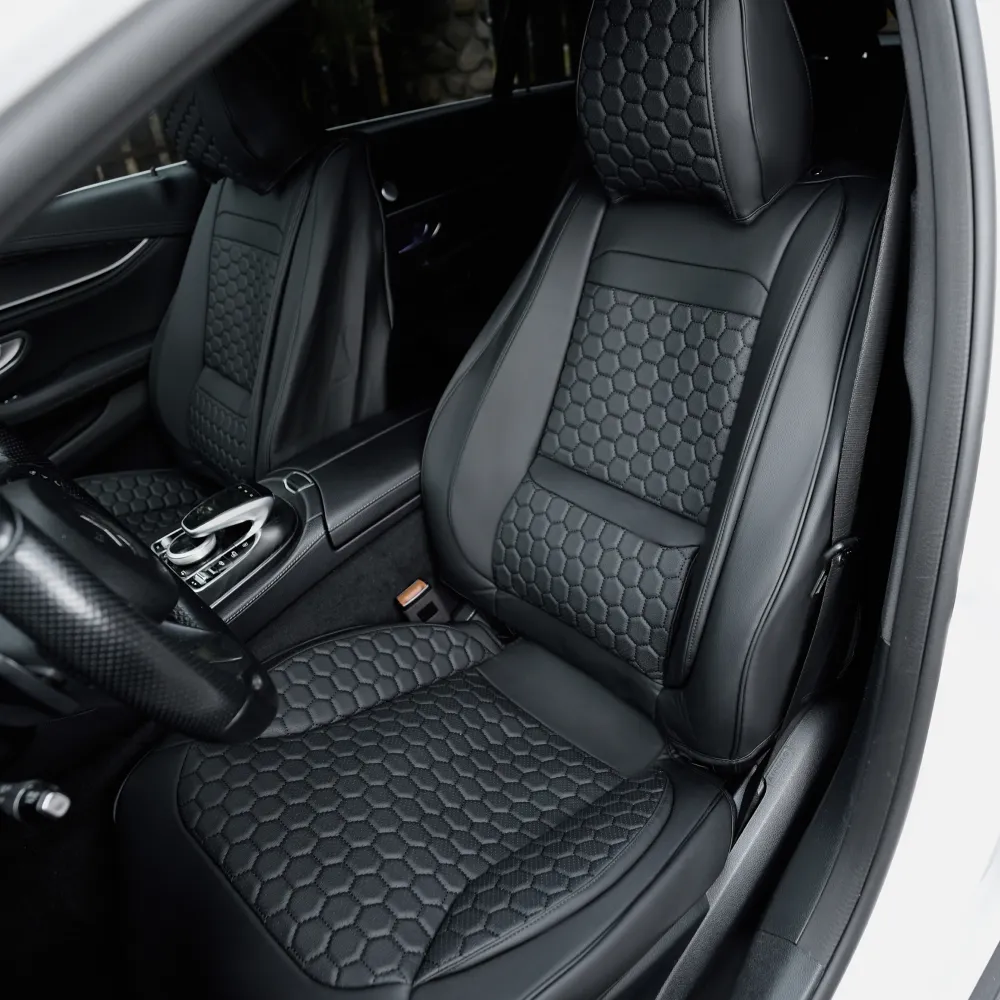
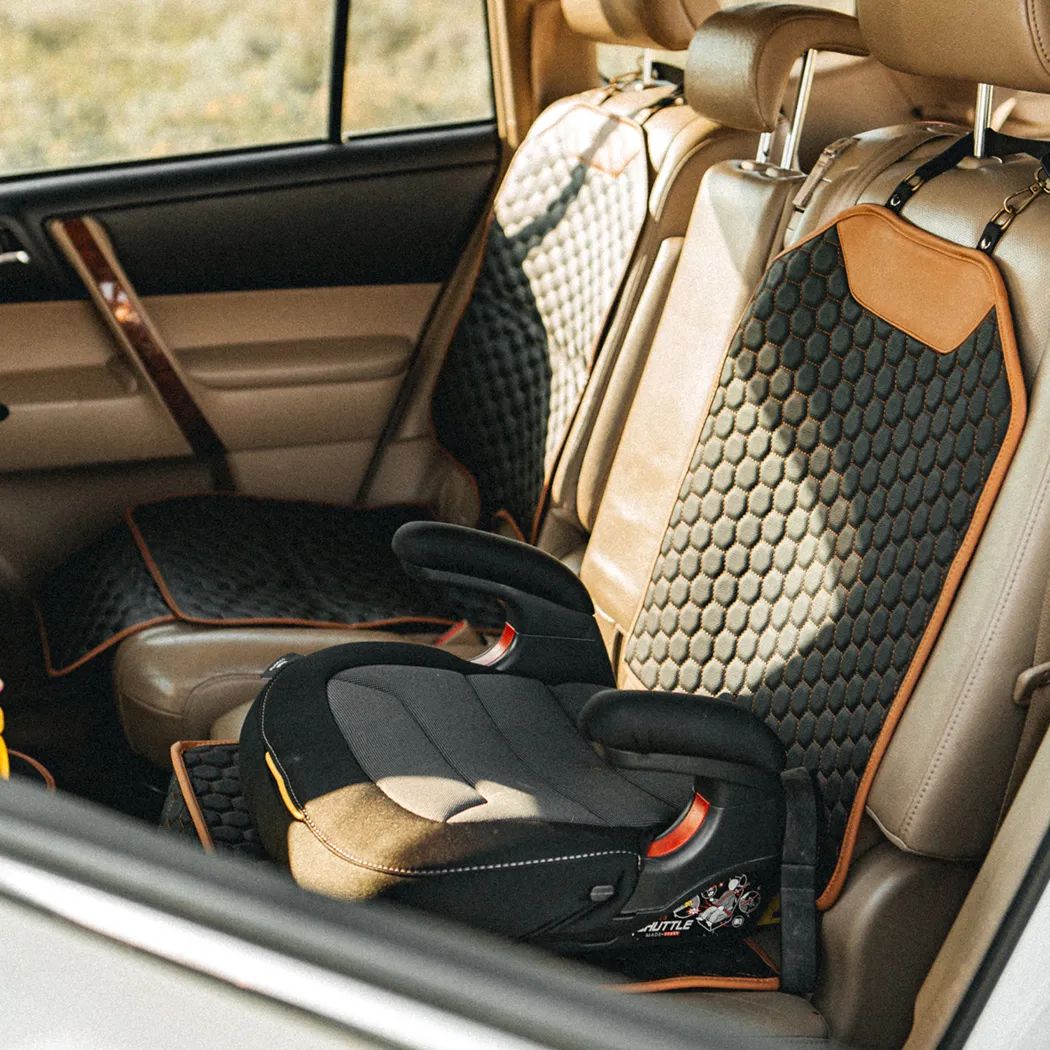
One of the most popular uses is automotive upholstery, including seat covers, headrests, armrests, and door-panel accents. Premium eco leather is valued in vehicles because it can handle frequent sliding in and out of the seat, resists minor scuffs, and cleans up quickly after spills. Many premium seat cover designs pair eco leather with breathable inserts (such as suede-like materials) to balance a sleek perimeter with comfort where you sit most.
For a deeper look at how eco leather performs in real-world seat cover construction, see this guide on Harlow eco leather seat covers.
Eco leather is also used for sofas, chairs, ottomans, and bar stools—spaces where you want a polished finish without the maintenance demands of natural leather. It’s often chosen for busy households since it typically wipes clean more easily than porous fabrics.
Premium eco leather frequently appears in handbags, belts, wallets, watch straps, and shoes. It offers consistent color, texture, and shape retention, which can be helpful for structured designs that need to look uniform over time.
Restaurants, offices, and hospitality settings use eco leather on seating and banquettes because it presents an upscale look and is usually simpler to sanitize. In high-traffic areas, the combination of abrasion resistance and easy cleaning can be a major advantage.
Beyond aesthetics, the appeal often comes down to practicality: it can be easier to maintain than many textiles, typically resists everyday spills, and delivers a leather-inspired look without the same level of variability found in natural hides.
Wipe it with a soft, damp cloth for routine cleaning, then dry with a clean towel. For messes, use a mild soap solution and avoid harsh solvents or abrasive brushes that can dull the finish.

Subscribe for Owleys product launches, fresh car accessories, and exclusive Adventure Club savings up to 30% OFF.

Choose the adventure that speaks to you and receive tailored recommendations from the Owleys Adventure Club.
Get ready for exclusive member discounts, early access to new products, special gifts, and travel inspiration from the Owleys team.
Your guide will arrive within 5 minutes.Please ensure all fields are completed correctly.
error
Leave a comment