
Are Dog Seat Belts a Good Idea?
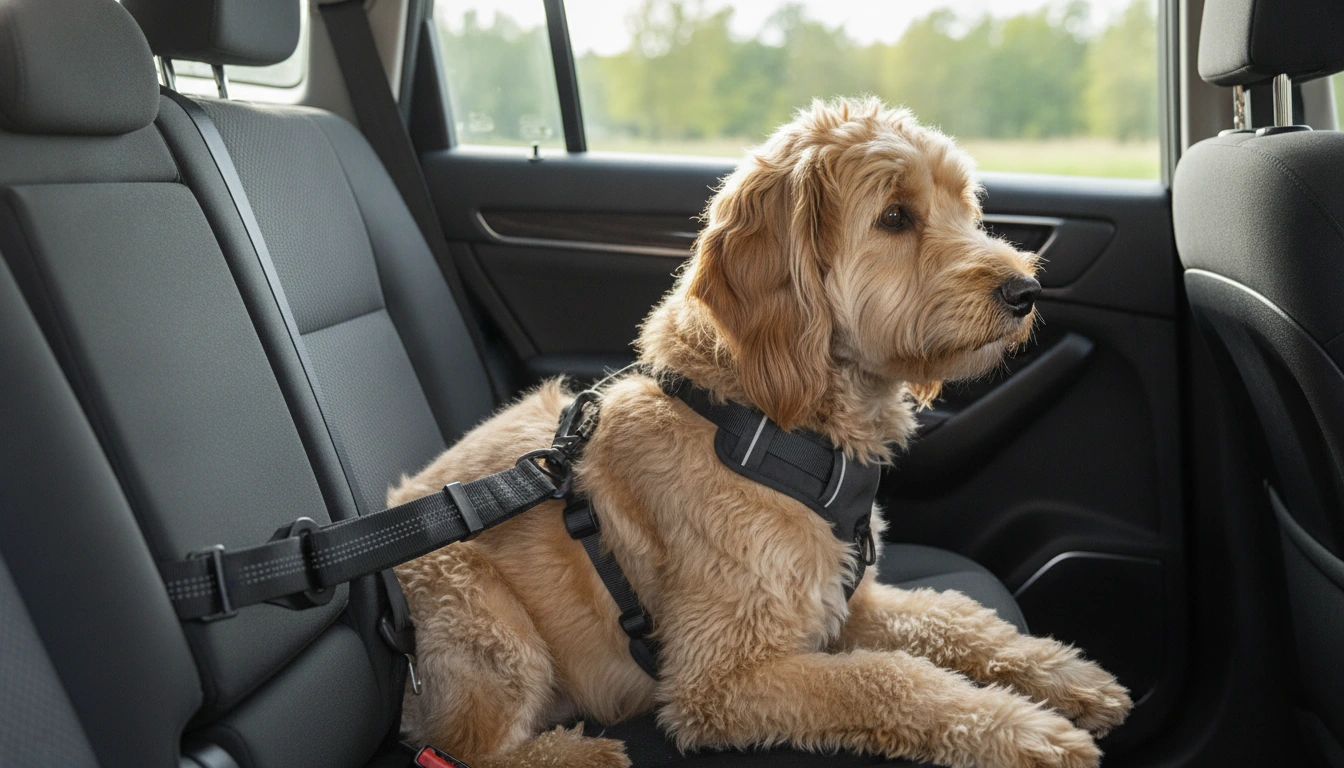
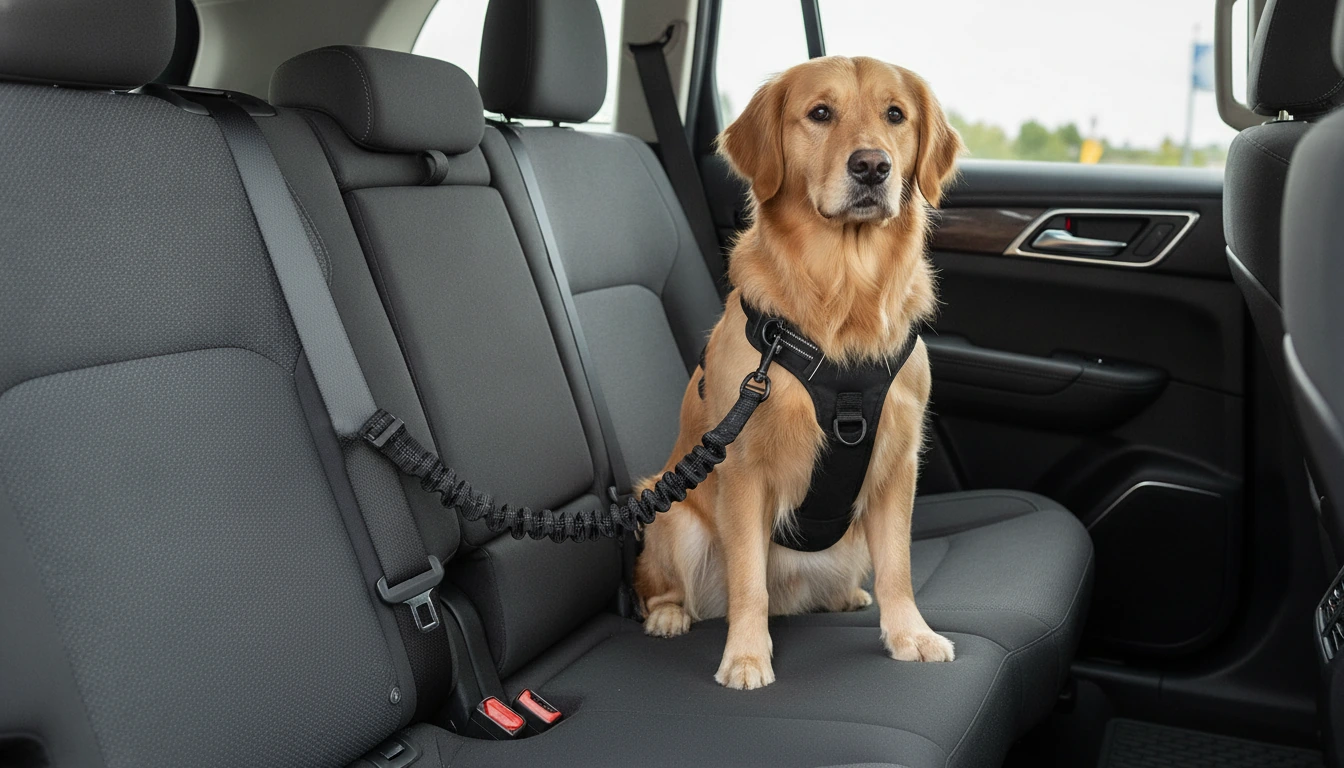
Yes, dog seat belts are a good idea when they are used with a properly fitted harness and attached to a secure seat belt point. They help reduce roaming, limit sudden movement during hard braking, and keep your dog from climbing into the driver’s lap or blocking visibility. A dog should never be clipped by the collar in the car. Use a padded, crash-aware harness and connect the seat belt to the harness back clip, then adjust the strap so your dog can sit or lie down without reaching the front seats.
Why a Seat Belt Helps in Everyday Driving
Even calm dogs can lose balance during a sharp turn, quick stop, or unexpected swerve. A seat belt keeps the dog positioned on the rear seat and helps prevent falls into the footwell. As a practical setup check, leave only enough slack for normal sitting and lying down. If the dog can step onto the center console or stand with paws on the window frame, the belt is too loose.
Use a Harness, Not a Collar
The safest seat belt setup connects to a body harness, not a neck collar. In a sudden stop, a collar can put dangerous force on the throat, while a harness spreads pressure across the chest and shoulders. Look for wide straps, reinforced stitching, and metal hardware where the leash or belt attaches. Before each drive, check that buckles are fully locked and that straps are flat against your dog’s body, not twisted.
Fit and Adjustment Matter
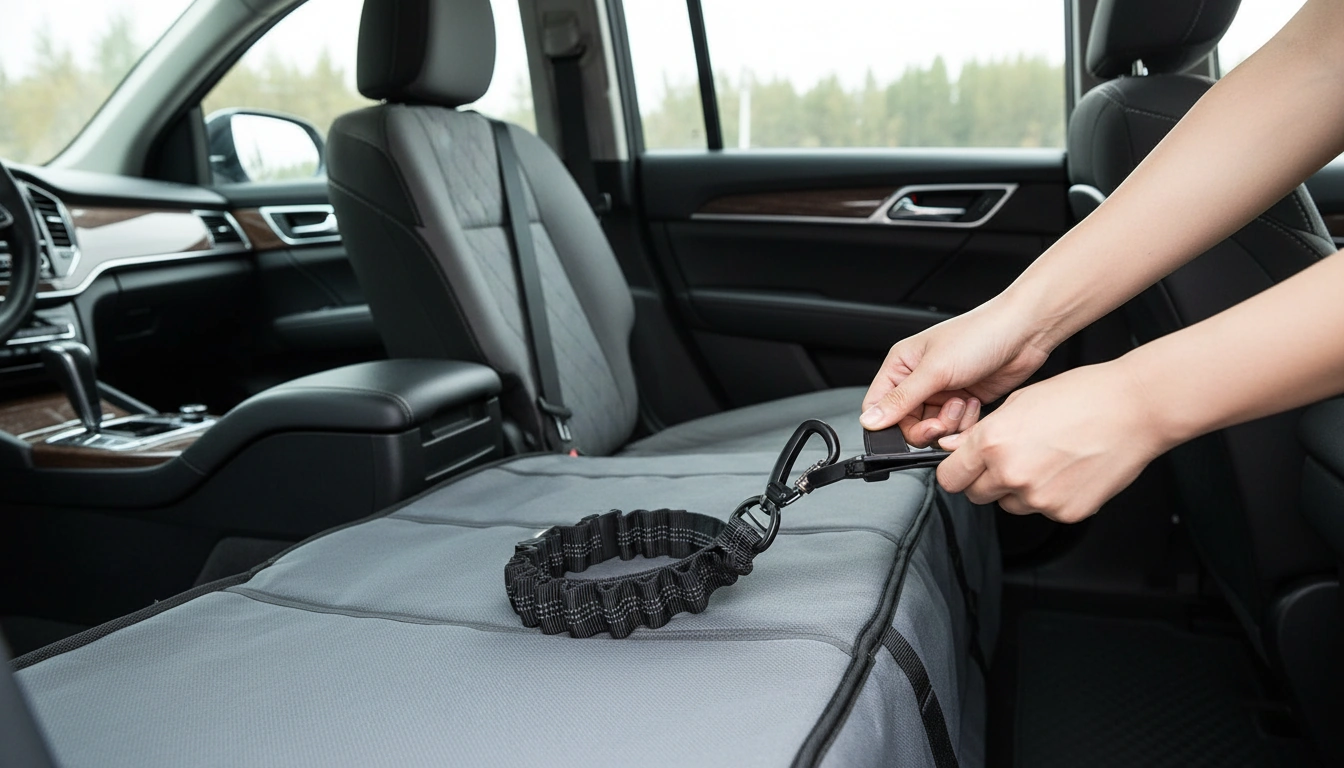
A good dog seat belt is only as effective as its fit. The connector should be short enough to control movement but long enough to avoid forcing your dog into one rigid position. Use the two-finger rule on the harness: you should be able to slide two fingers under the straps without loose gaps. For a step-by-step setup guide, see the Owleys adjustable dog car seat belt fit and safety guide .
How to use the restraint
Check Vehicle Compatibility
Many dog seat belts click into a standard vehicle seat belt buckle, while others loop around a headrest or attach to a latch point. Before buying, confirm that the connector style works with your car’s rear-seat design. Some vehicles have recessed buckles or proprietary buckle shapes that may not accept universal clips. Test the connection before placing your dog in the car, then tug firmly on the strap to confirm it is locked.
When a Seat Belt Is Most Useful
A dog seat belt is especially helpful for daily commuting, road trips, vet visits, and rides with an excited or anxious dog. It can also reduce distraction for the driver by keeping the dog in one protected area. For the best result, pair the belt with a rear-seat setup and avoid letting your dog ride in the front passenger seat. If an airbag deploys, the front seat can be dangerous for pets.
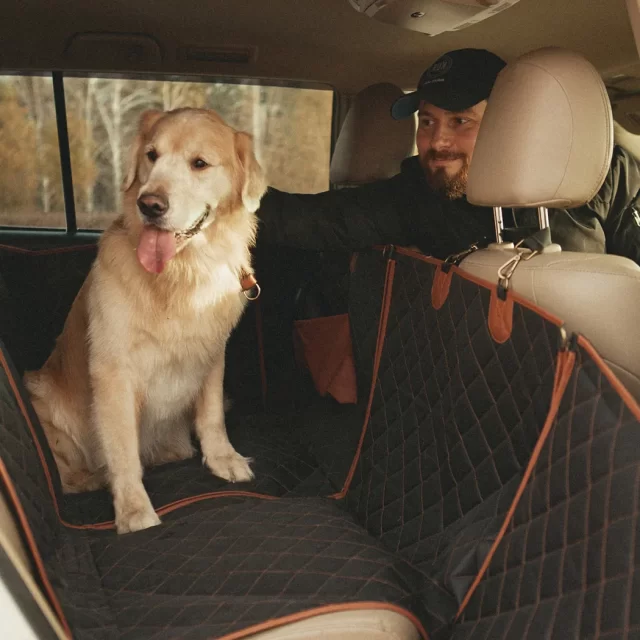
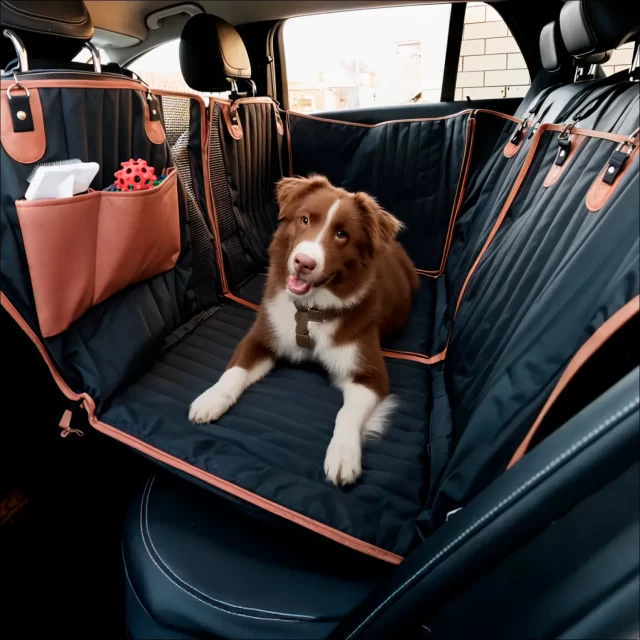
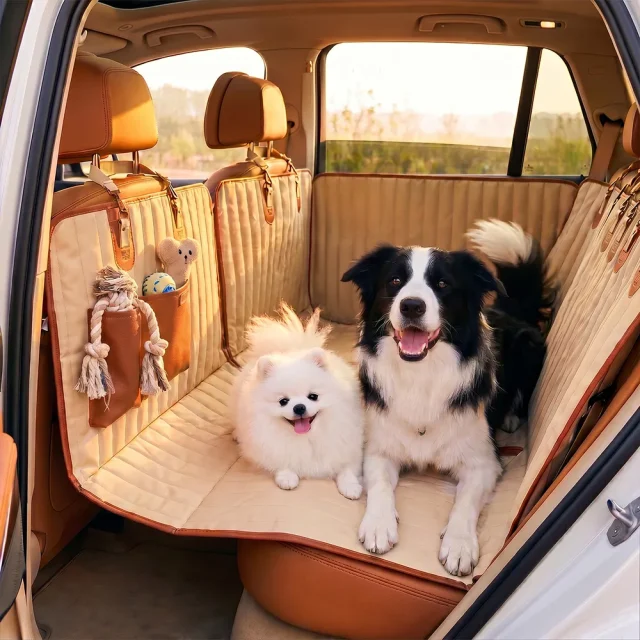
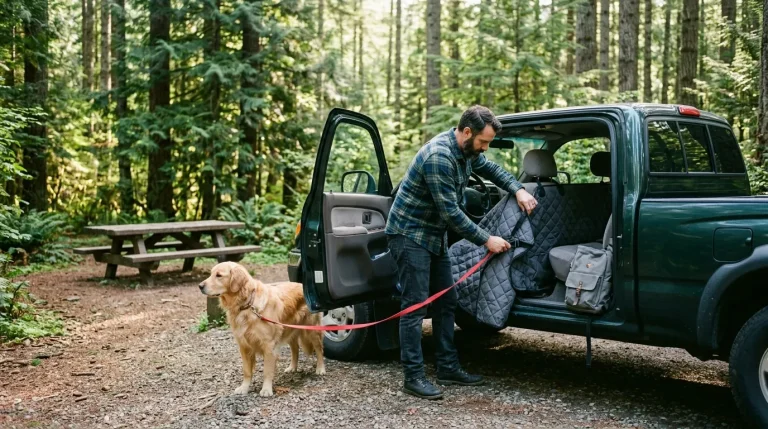
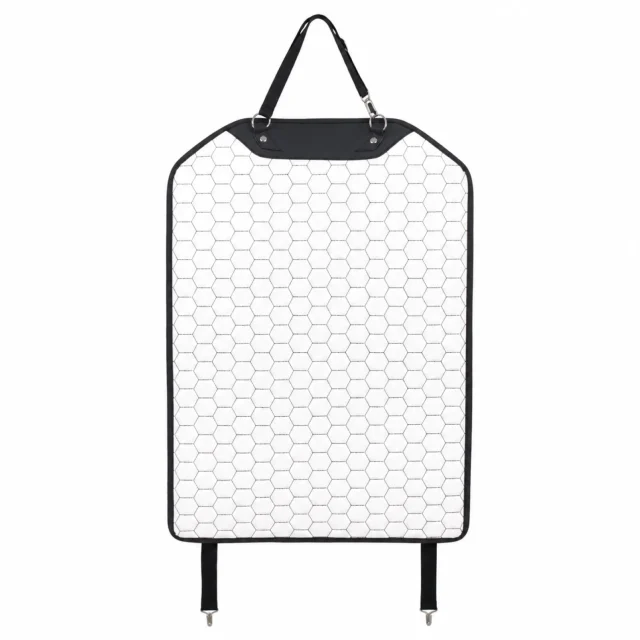
For dog-restraint setup in the car, the Travel Buddy Seat Cover works alongside the restraint; it covers the car upholstery, so dog hair and tracked debris land on a removable surface during travel.
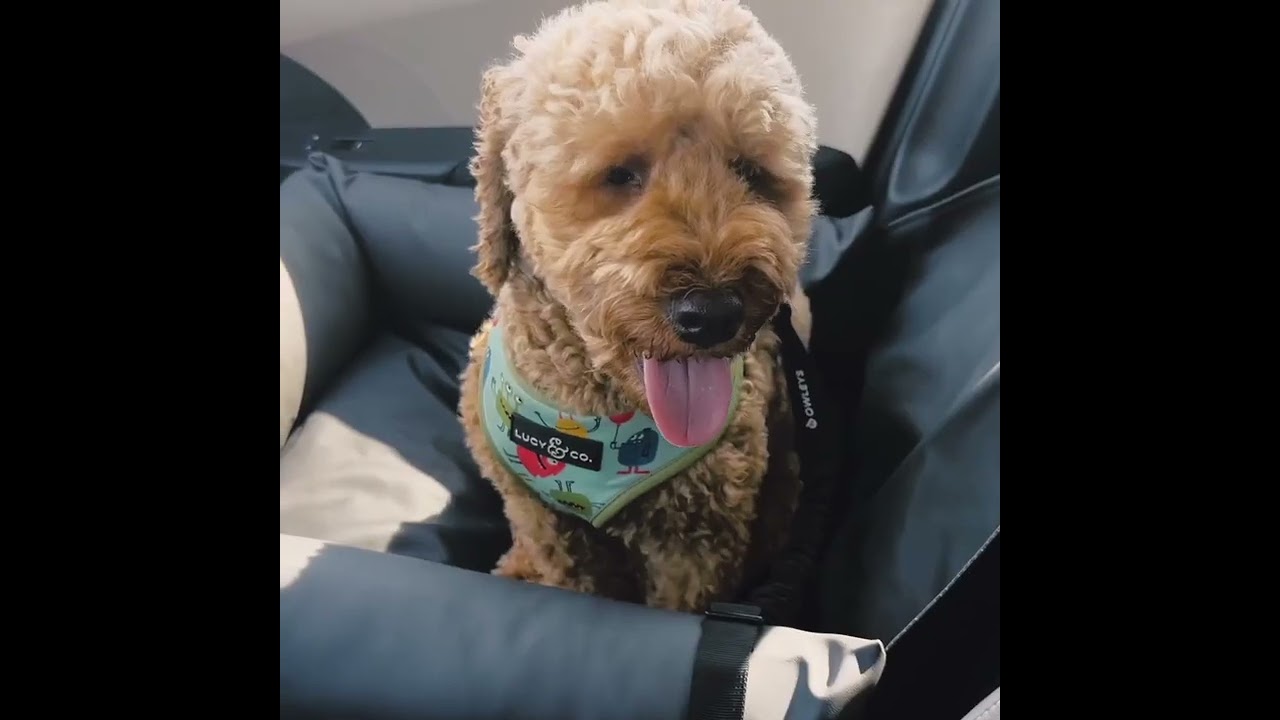
“very easy to use and fits any buckle. the materials are sturdy and the belt feels well-made. I always use it when my dog drives with me & it gives me peace of mind.”
For the full product context, see the main Owleys guide.
FAQ
Are dog seat belts actually safe?
The safest dog seat belt is one whose stated size range fits the dog, connects at an approved vehicle point, and is used with a compatible harness. Follow the restraint instructions, adjust the length to limit movement, and never attach a dog seat belt to a collar.
What is the safest car restraint for a dog?
The safest car restraint for a dog is a vehicle-specific setup with documented use instructions, such as a correctly fitted restraint harness or a secured crate. Match the dog to the stated size limits, use only the approved attachment method, and verify that the restraint keeps the dog away from the driver.
What dog harness do vets recommend?
No single dog harness is universally recommended by every veterinarian, so choose one whose fit range matches the dog and whose instructions cover the intended use. For car travel, use a well-fitted harness specifically intended for vehicle restraint and connect it only at the approved attachment point.

Leave a comment