
How do I get dog hair out of a car?
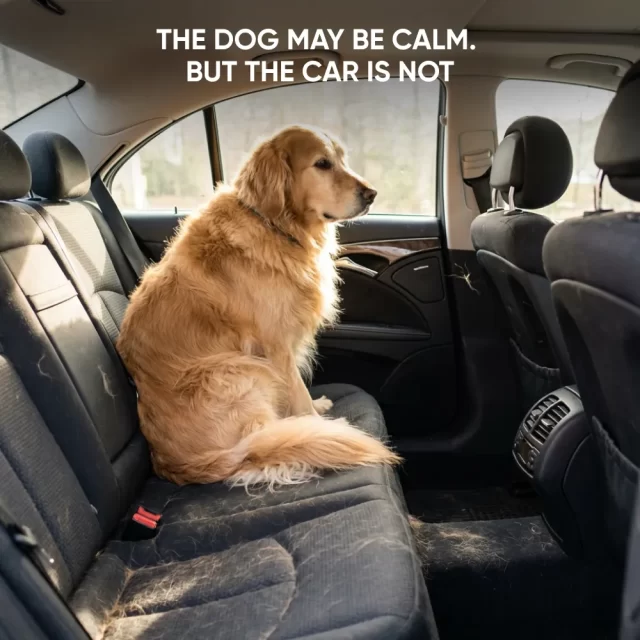
To get dog hair out of a car, loosen it first, then lift it with the right tool instead of rubbing it deeper into the fabric. Start with dry upholstery, remove loose items, and work from the top of the seats down to the floor mats so hair does not resettle on areas you already cleaned.
Start by Vacuuming Loose Hair
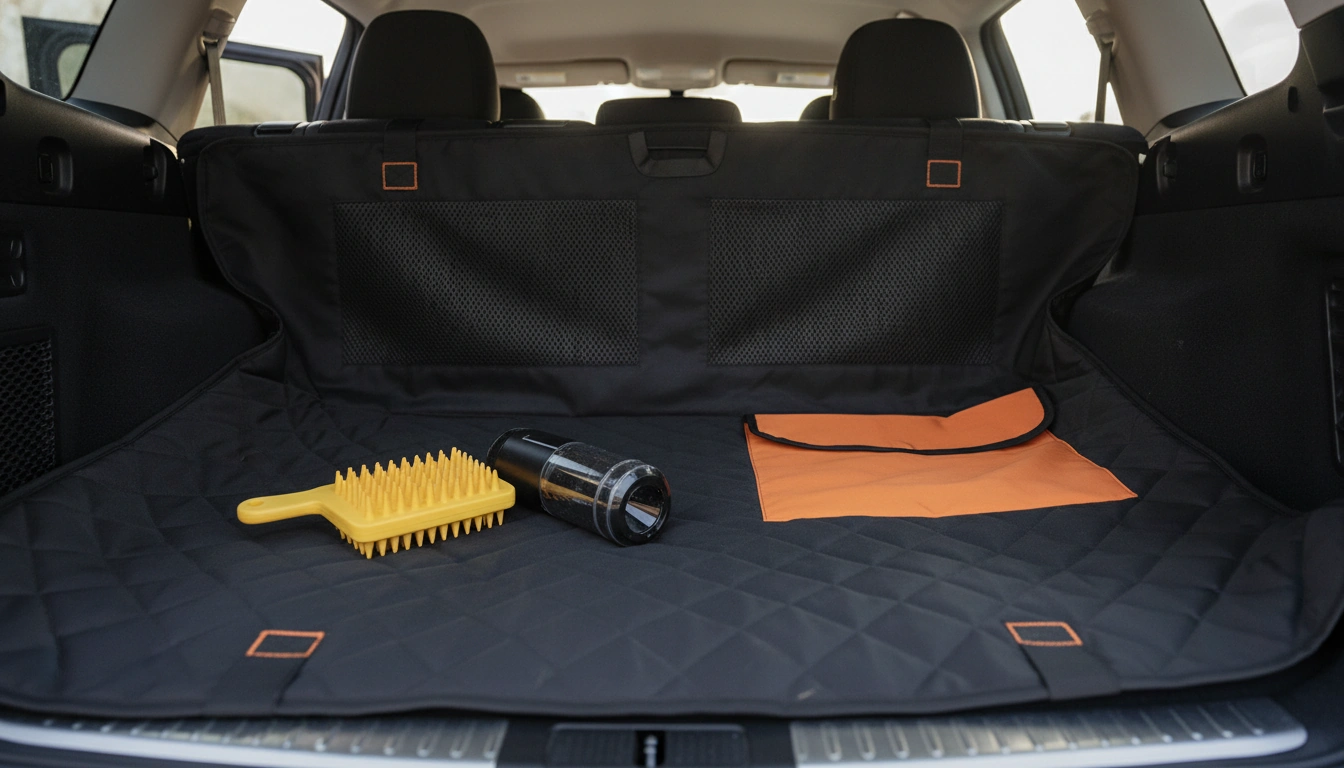
Use a vacuum with a narrow crevice tool and an upholstery brush attachment. Move slowly over seat seams, carpet edges, cargo corners, and the gap between the seatback and cushion, since long dog hair often collects in these tight channels. For best results, vacuum in overlapping passes rather than quick strokes. If your car has removable floor mats, take them out and clean them separately on a flat surface.
Use Rubber to Pull Hair from Fabric
A rubber glove, rubber pet-hair brush, or squeegee can grip embedded hair that a vacuum leaves behind. Lightly dampen the rubber surface, then drag it in short strokes across cloth seats, trunk liners, and carpeted mats. Do not soak the upholstery; a slightly damp surface is enough. Gather the hair into small piles, then vacuum those piles before moving to the next section.
Loosen Stubborn Hair with a Fabric-Safe Tool
For dense carpet or cargo liners, use a pumice-style pet hair stone or a dedicated detailing brush made for automotive fabric. Test the tool in a hidden spot first to confirm it does not scratch plastic trim or fray delicate upholstery. Work at a shallow angle and avoid hard pressure on leather, vinyl, or suede-like materials. These surfaces should be wiped with a microfiber towel and cleaned with products approved for that material.
Clean Seat Covers and Protective Liners Separately
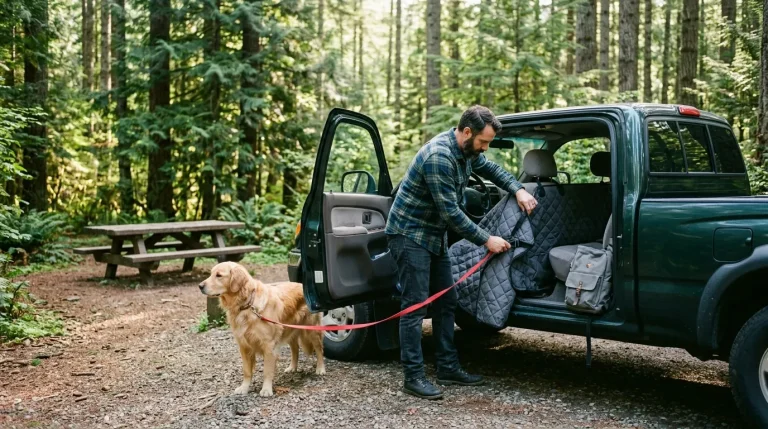
If you use removable seat covers, cargo covers, or pet liners, shake them outdoors before vacuuming. Check the care label for machine-wash compatibility, water temperature, and drying instructions. A protective cover can make future cleanup much faster, especially with long-haired dogs. For a complete step-by-step setup and tool list, see the full guide here: dog hair car cleaning kit for long-haired dogs .
Finish with Prevention
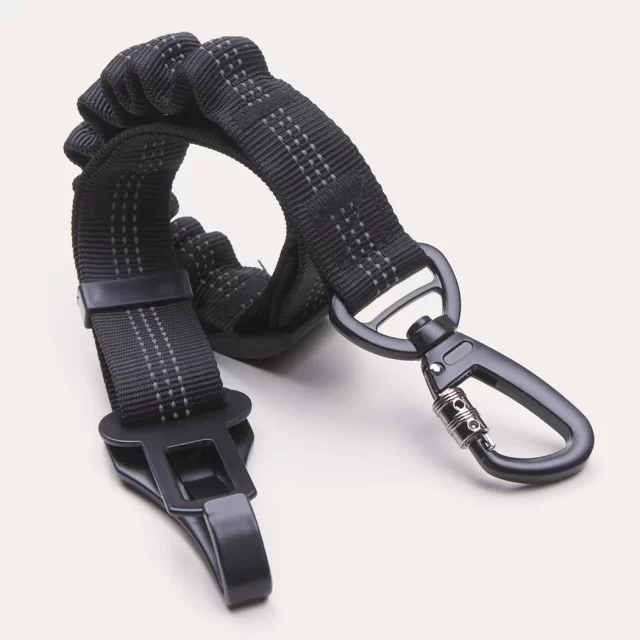
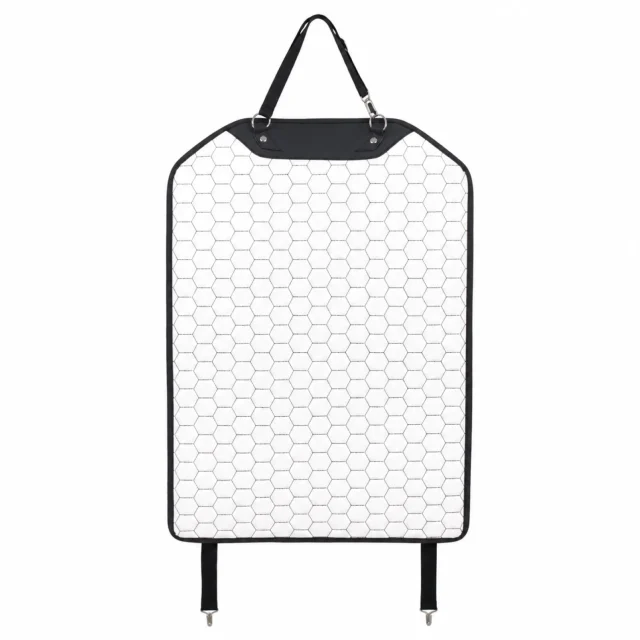
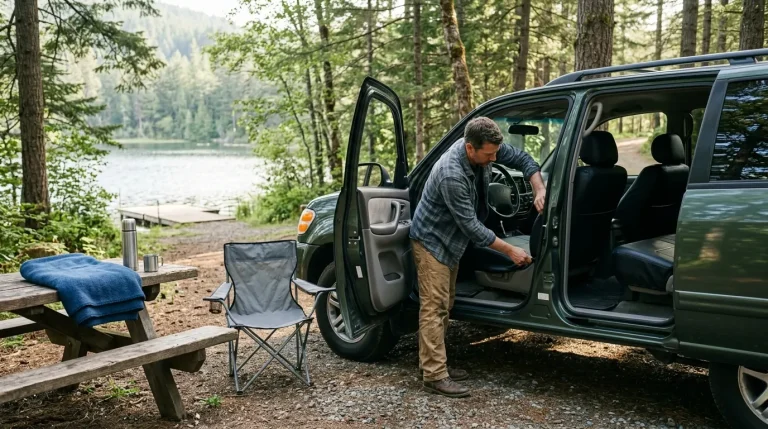
After cleaning, brush your dog before car rides and keep a compact lint roller or rubber brush in the vehicle. A quick two-minute cleanup after each trip prevents hair from being pressed deeper into carpet fibers. Use washable seat protection in the back seat or cargo area if your dog rides often. Choose a cover that fits your seat layout, allows seat belt access, and stays anchored during braking or turns.
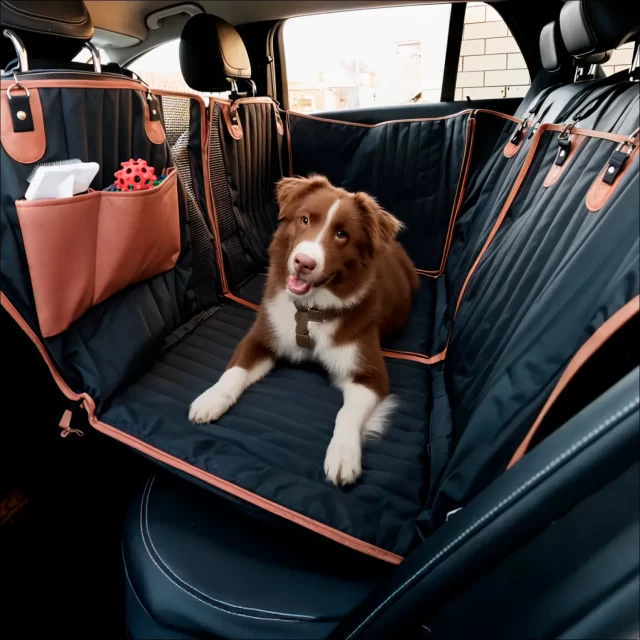
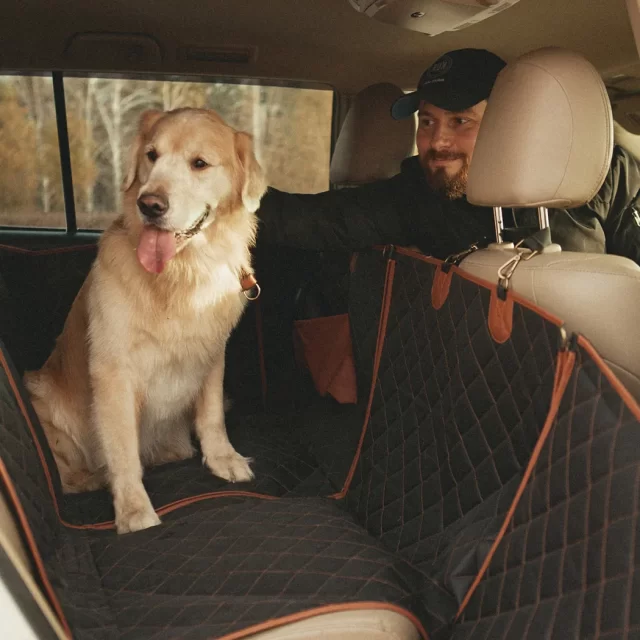
When removing dog hair from car upholstery, the Travel Buddy Mk. II Dog Hammock keeps the back seat covered, so shed dog fur lands on a washable surface instead of the car upholstery, pairing with the cleaning kit during everyday use.
“Really helps to transform chaotic shedding into a smooth journey:)”
How to use the clean pack
For the full product context, see the main Owleys guide.
FAQ
How to get imbedded dog hair out of car?
Start by loosening dog hair with a rubber brush or glove instead of pressing it farther into the car upholstery. Gather the lifted hair into clumps, remove those clumps, and finish with a vacuum along the seats, carpet, seams, and narrow gaps.
What do car detailers use to remove dog hair?
Car detailers loosen dog hair from carpet with a rubber brush or fabric-safe detailing tool before using the vacuum. They work in short strokes, collect the lifted clumps, and repeat the brush-and-vacuum pass along seams without damaging the carpet fibers.
What is the best way to clean dog hair out of a car?
The most reliable way to remove dog hair from a car is to loosen it with a rubber brush, gather the strands into clumps, and then vacuum slowly. Treat seats, mats, cargo fabric, seams, and narrow gaps separately so embedded dog hair is lifted instead of pushed between surfaces.
How to get dog hair off car fabric?
To lift dog hair off car fabric, test a rubber brush or dry rubber glove on a hidden area and draw the hair toward one collection point. Remove the gathered strands and vacuum the fabric with an upholstery attachment, keeping the tool gentle around stitching and trim.

Leave a comment