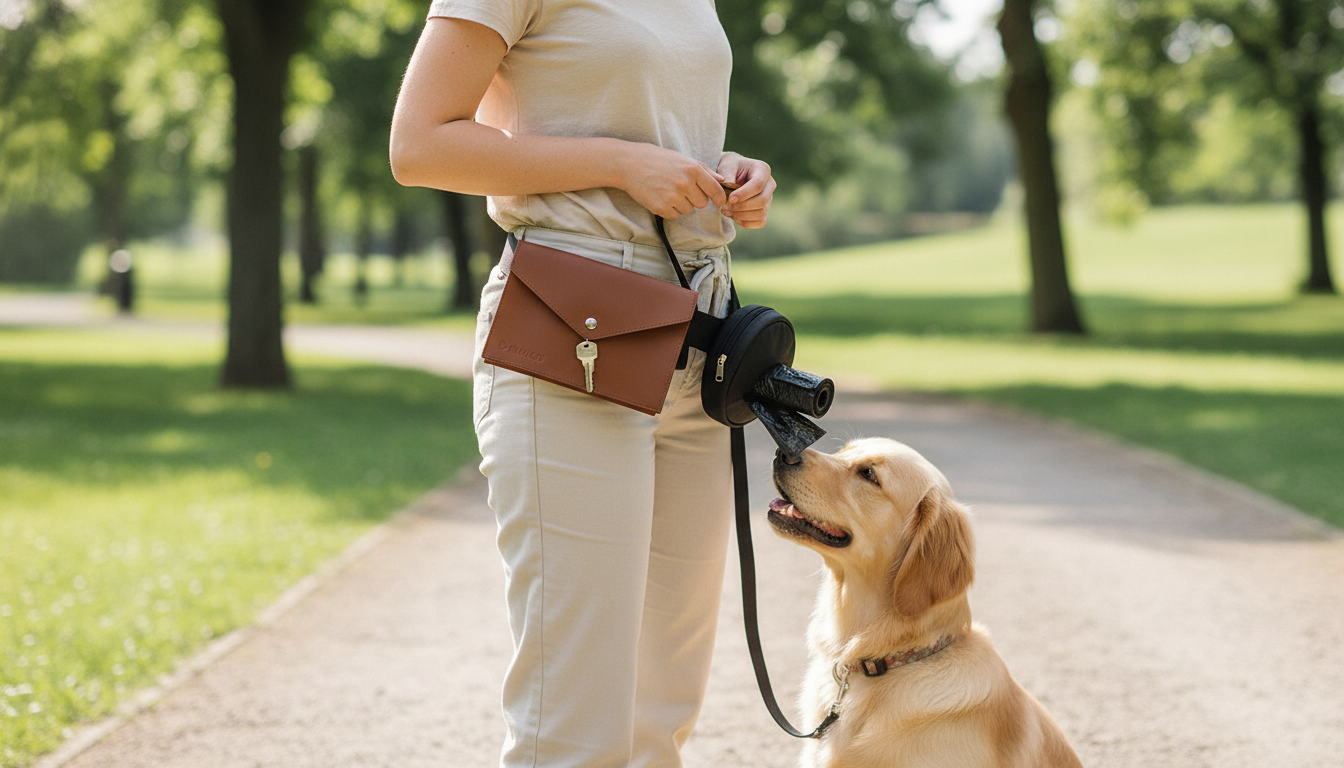
A waist bag designed for dog walks keeps treats, waste bags, keys, and a phone within easy reach—without stuffing pockets or juggling items. The right setup helps maintain better leash control, makes rewards quicker, and keeps cleanup supplies separated from personal items. Whether you’re doing a quick loop around the block or practicing loose-leash walking, having a consistent “home base” for essentials makes every outing feel simpler.
Dog walks are full of small, time-sensitive moments: a quick reward for eye contact, a fast cleanup before your dog steps in it, or a split-second leash adjustment when a squirrel appears. A waist bag keeps your hands free and your timing sharper.
The most useful dog-walking setup is the one you can operate one-handed. Aim for a “grab-and-go” layout where each item has a predictable spot.
| Item | Best location in the bag | Why it matters |
|---|---|---|
| Treats | Front pocket or dedicated treat compartment | Fast rewards without fumbling improves training timing |
| Waste bag roll | Side slot/dispenser pocket | One-handed pull and tear during cleanup |
| Phone | Rear zip pocket against the body | More secure and less likely to bounce |
| Keys/cards | Interior zip pocket | Prevents scratching the phone and reduces noise |
| Hand sanitizer/wipes | Top pocket or easy-open compartment | Quick cleanup after handling waste or slobber |
| Used waste bag (temporary) | External clip point or isolated compartment | Keeps odors and germs away from clean items |
A dog-walking waist bag should feel steady, not sloshy or bouncy. The strap and where you wear it make the biggest difference.
Dog-walk gear gets used hard: oily treats, dusty trails, wet grass, and the occasional “surprise” smear. Prioritizing easy-clean materials keeps the bag pleasant to use.
For hygiene basics after handling waste, the CDC’s guidance on handwashing around animals is a solid reference: CDC — Healthy Pets, Healthy People.
When walks involve tight spaces and unpredictable interactions, safer handling practices matter; the AVMA has practical tips on staying in control in everyday situations: AVMA — Dog bite prevention.
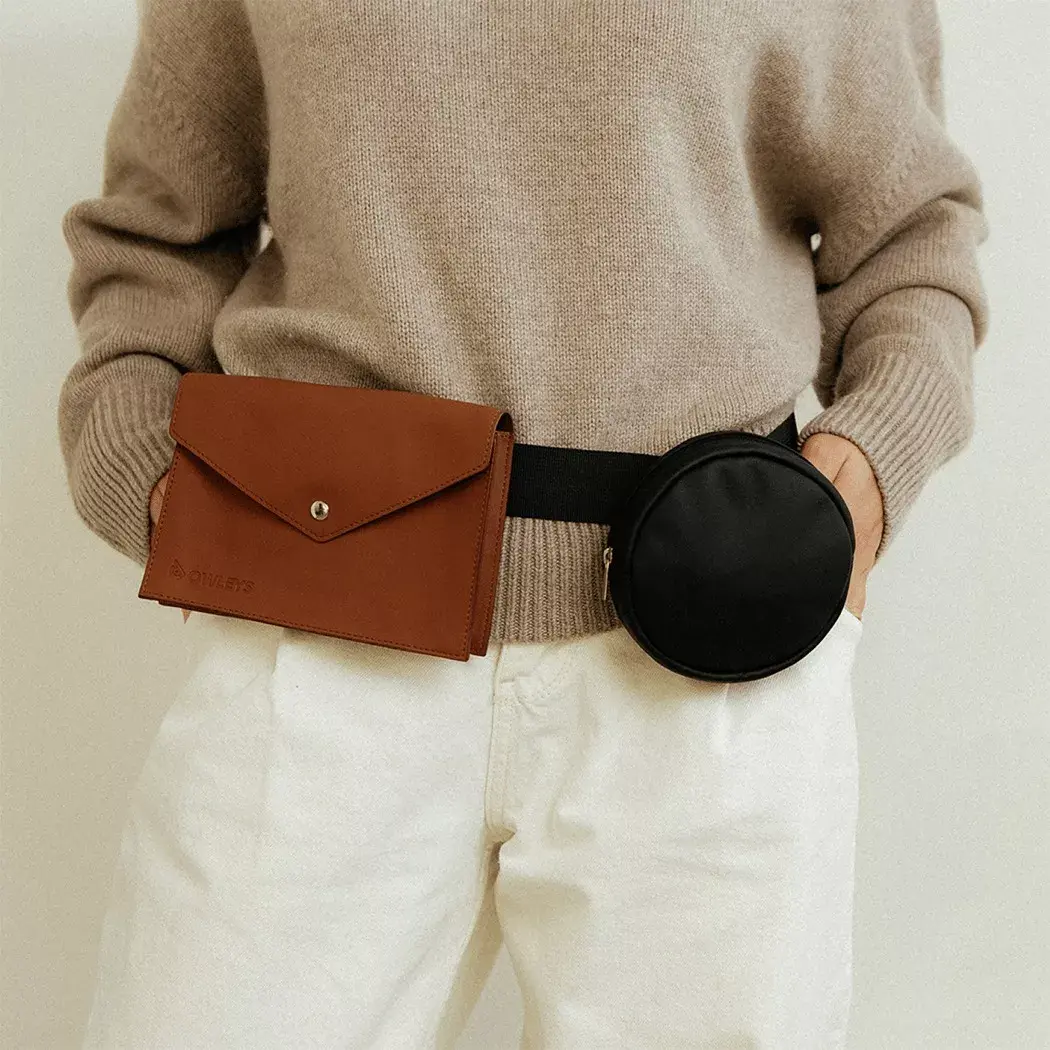
If you want a purpose-built setup for daily walks, the Owleys “Pooch Pouch” dog walking bag is designed around the items you reach for most—treats, waste bags, and personal essentials—while keeping everything separated and easy to access.
| Item | Detail |
|---|---|
| Product name | “Pooch Pouch” Dog Walking Bag |
| Type | Waist bag / bum bag for dog owners |
| Price | 49.99 USD |
| Availability | In stock |
| Product page | https://owleys.com/waist-bag-for-dog-walks/ |
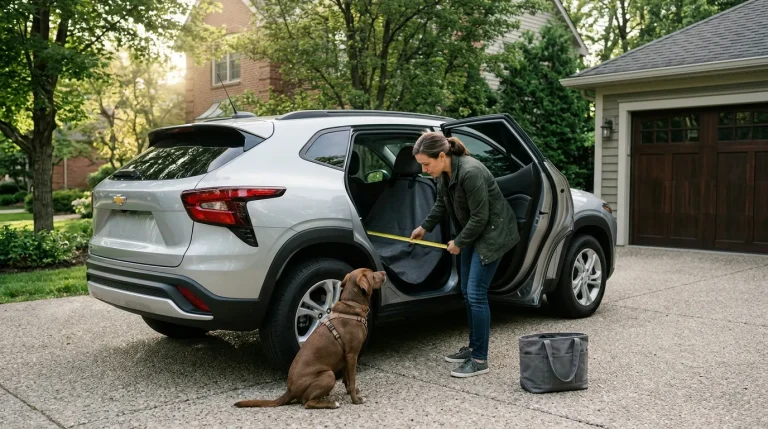
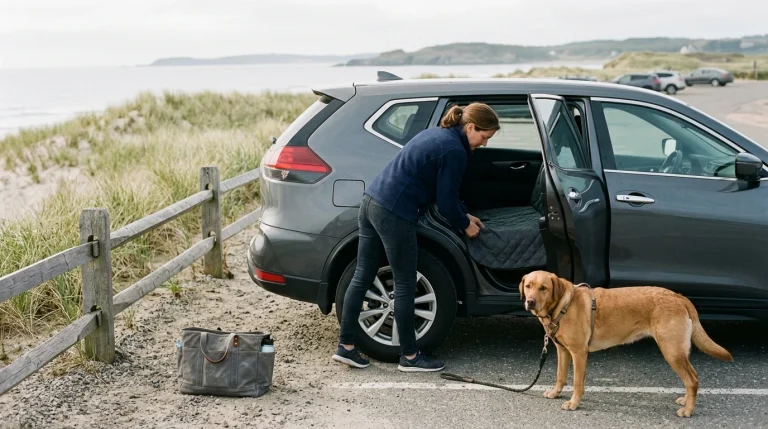
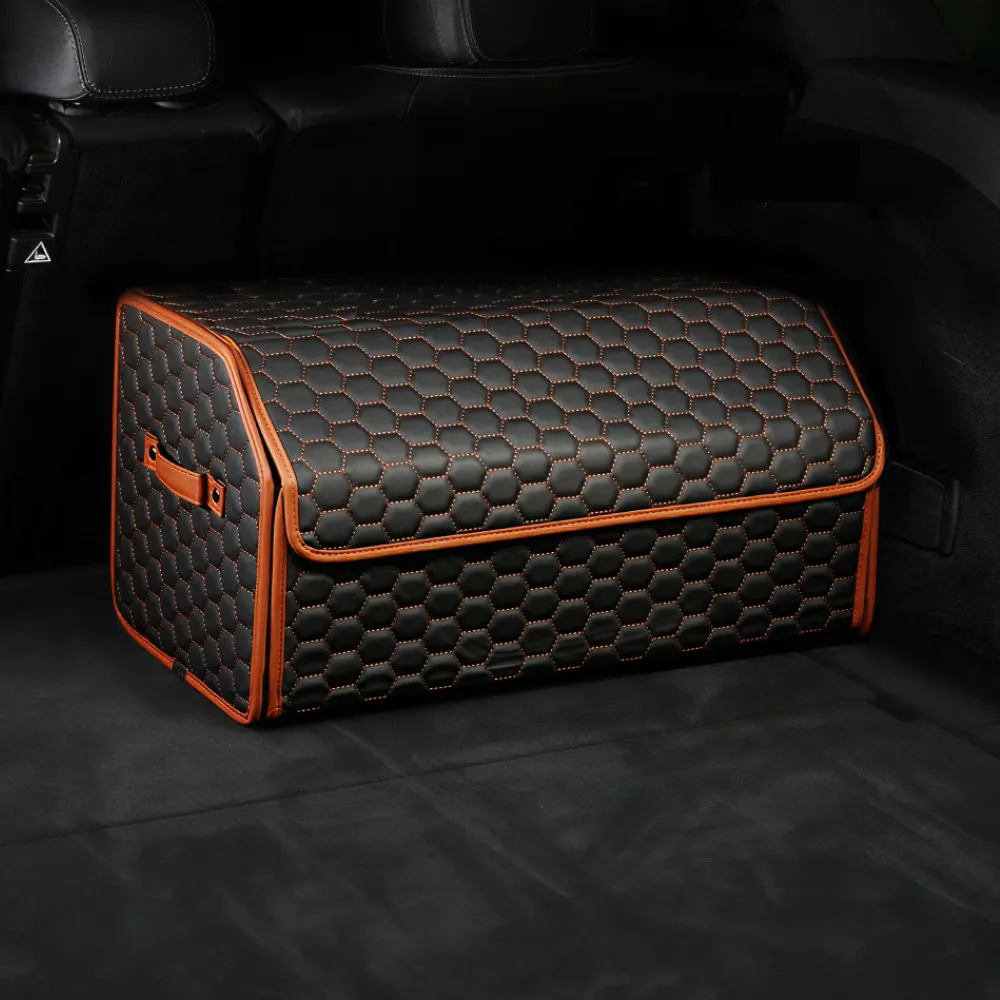
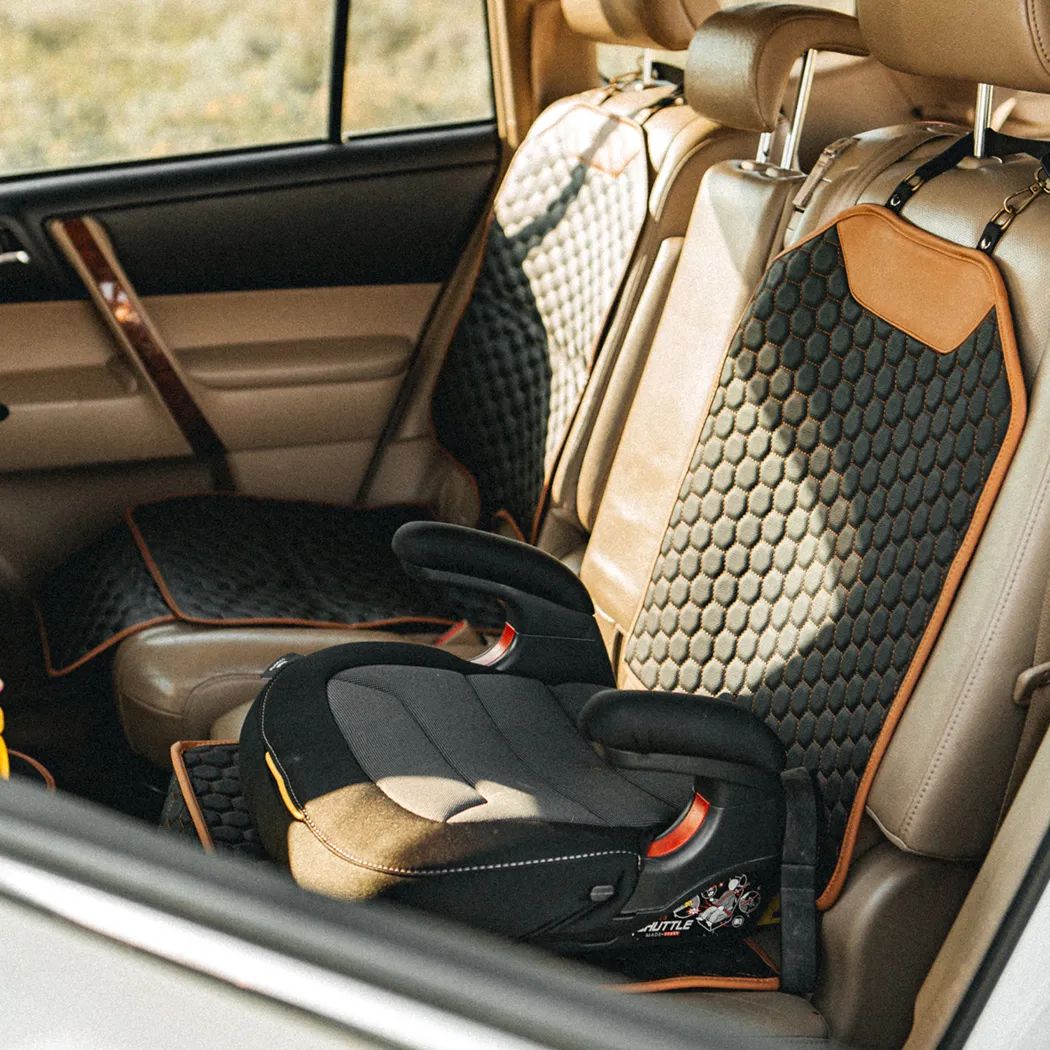
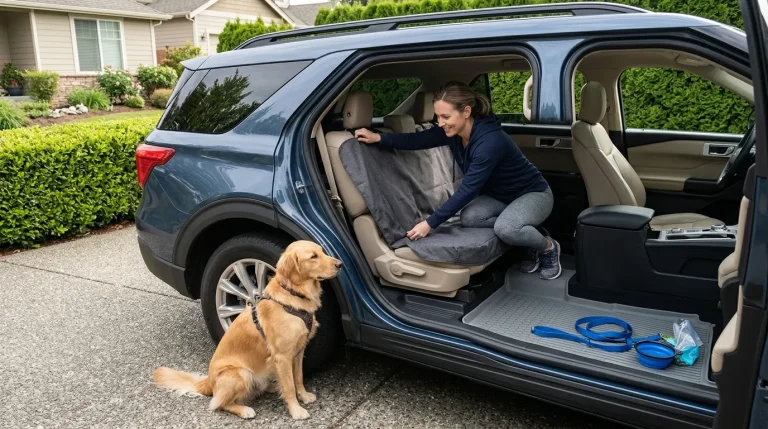
If your walks start at trailheads or dog parks, it helps to store leashes, wipes, towels, and extra waste bags where they won’t roll around the cabin. Two handy options are the Car Back Of Seat Organizer | “Hexy” by Owleys for grab-from-the-back-seat access, and the Car Trunk Organizer | 17.7 in – “Hexy” by Owleys for bulkier items like a towel, backup water, and muddy shoes.
At minimum, carry treats, a waste bag roll, and a secure spot for your phone and keys. Look for separate compartments plus quick-access storage for sanitizer or wipes so cleanup stays simple.
Use separate zip pockets and, if possible, a dedicated treat compartment or removable liner. For used waste bags, rely on an external clip point or an isolated pocket so odors and residue stay away from clean items.
It can be, especially when the strap adjusts snugly and the bag sits where it won’t bounce (center waist or slightly off-hip). A breathable backing and a low-profile shape also help, particularly when you’re walking in warm weather or wearing layers.
Subscribe for Owleys product launches, fresh car accessories, and exclusive Adventure Club savings up to 30% OFF.

Choose the adventure that speaks to you and receive tailored recommendations from the Owleys Adventure Club.
Get ready for exclusive member discounts, early access to new products, special gifts, and travel inspiration from the Owleys team.
Your guide will arrive within 5 minutes.Please ensure all fields are completed correctly.
error
Leave a comment