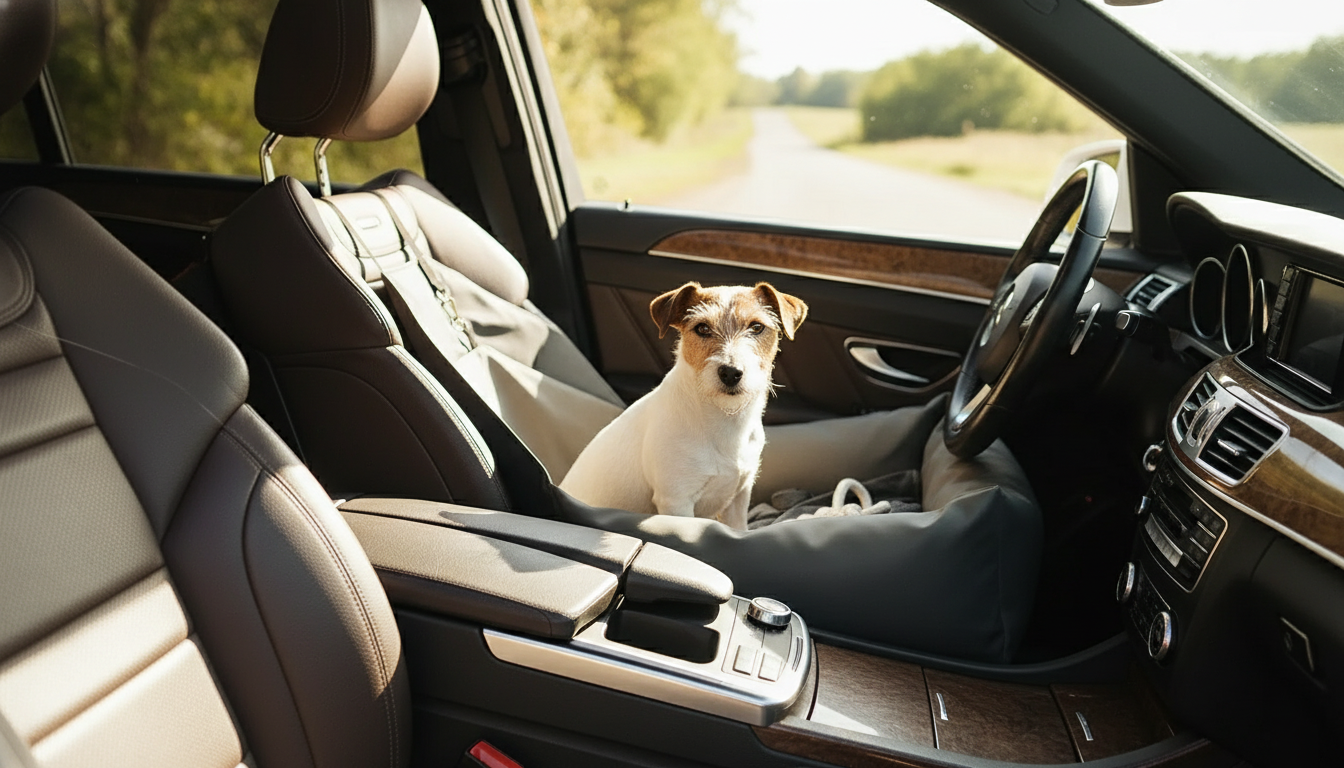
Dog Car Booster Seats: Safer Rides, Better Views, Less Mess
A well-designed booster seat helps small dogs ride higher for a calmer view, stay in one place during turns and stops, and keep hair and dirt contained. The right setup pairs a stable seat, a short safety tether, and a fitted harness so the ride feels secure without restricting breathing or movement.
What a booster seat changes for small dogs in the car
For many small dogs, the biggest problem in the car isn’t the drive—it’s the lack of a stable, predictable place to sit. A booster seat can make the whole cabin feel more manageable.
- Elevates the dog to window level, which can reduce stress for dogs that prefer to see outside instead of feeling “stuck” below the door line.
- Creates a defined spot to sit or lie down, limiting roaming, sliding, and seat-surfing during turns and braking.
- Adds a protective layer between your dog and the vehicle seat, making fur, muddy paws, and drool easier to contain and clean.
- Simplifies quick errands by offering a ready-to-go perch without the bulk of a full crate setup.
Booster seat vs. hammock vs. travel crate
The “best” option depends on your dog’s size, your vehicle layout, and what your dog does during motion (anxious, wiggly, or sleepy). Boosters lean toward visibility and keeping a small dog in one contained area; hammocks cover more surface area for bigger dogs; secured crates prioritize stronger containment for longer drives.
Quick comparison of common options
| Option |
Best for |
Upsides |
Trade-offs |
| Booster seat |
Small dogs that like looking out the window |
Elevates view; keeps dog in one spot; helps protect upholstery |
Needs a secure harness + tether; not ideal for large breeds |
| Seat hammock |
Medium to large dogs in the back seat |
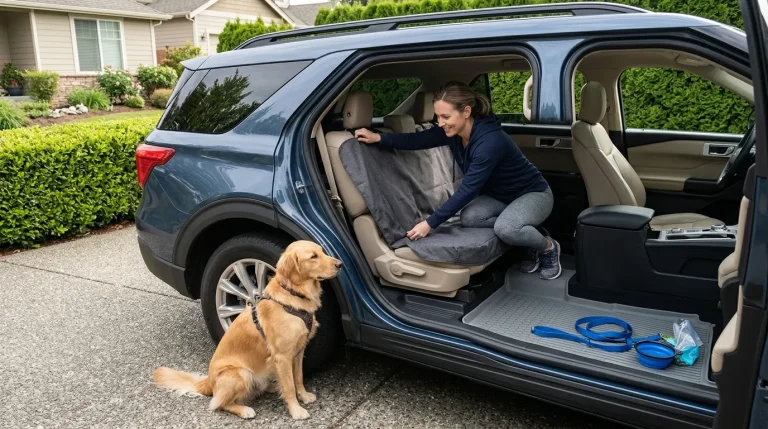
Covers more area; helps prevent falls into footwell; easy to shake off fur |
Doesn’t elevate; some dogs still move around a lot |
| Travel crate (secured) |
Dogs that settle best in enclosed spaces |
Strong containment; can reduce distraction; good for longer trips |
Bulky; requires correct sizing and secure placement |
How to pick the right size and style
- Measure sitting height and weight. The seat should support your dog’s weight without bowing and provide enough interior space to sit upright and turn around.
- Look for a stable base and firm sides. A structured feel helps your dog stay “held” during curves and reduces the chance of the seat tipping when your dog shifts position.
- Check the tether length. It should be short enough to limit jumping out, but long enough for comfortable sitting and lying down without tension.
- Prioritize washable materials. A removable liner or machine-washable cover is a real advantage for heavy shedders and carsick-prone riders.
Installation basics for front and back seats
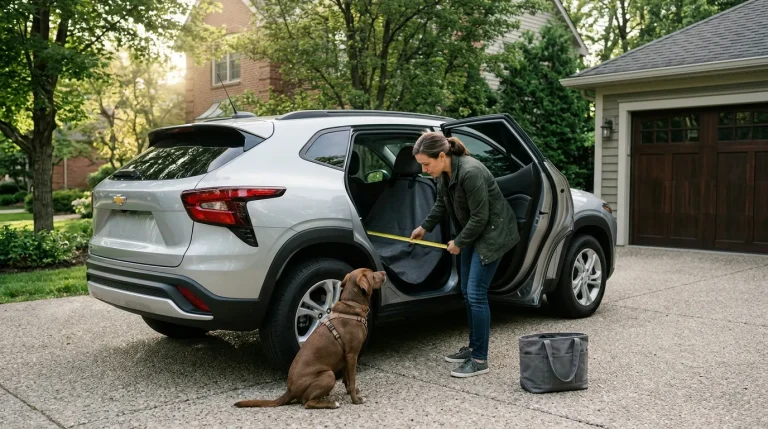
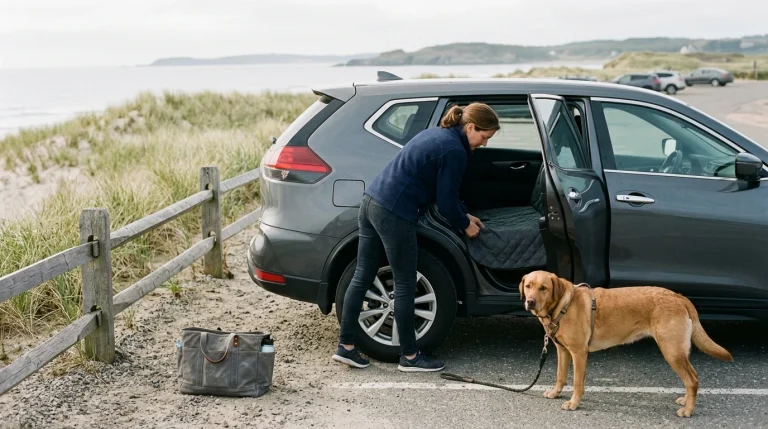
- Start with a flat footprint. Place the booster on a flat section of the seat so the base sits evenly—avoid perching it on the edge where it can teeter.
- Follow the strap routing exactly. Tighten until the booster doesn’t shift side-to-side when pushed with your hand.
- Clip the tether to a harness, not a collar. In sudden stops, a collar connection can strain the neck and throat.
- Front seat cautions. Move the passenger seat back as far as practical and follow your vehicle guidance on airbags; many owners prefer the back seat to add distance from airbags.
For more general pet travel guidance and safety research, see the Center for Pet Safety and practical travel tips from the American Kennel Club.
Comfort and cleanup features that matter on real-world drives
Using a booster seat more safely
- Always use a properly fitted harness. A harness distributes force across the body more safely than a collar connection.
- Keep the tether short. Limit reach so your dog can’t access the dashboard, center console, or an open window.
- Introduce it at home first. Let your dog sniff the seat, reward calm behavior, then do short, low-stress rides before longer trips.
- Plan breaks on longer drives. Offer water and watch for early nausea signs like lip-licking, drooling, and repeated yawning. The ASPCA travel checklist is a helpful refresher for road-trip basics.
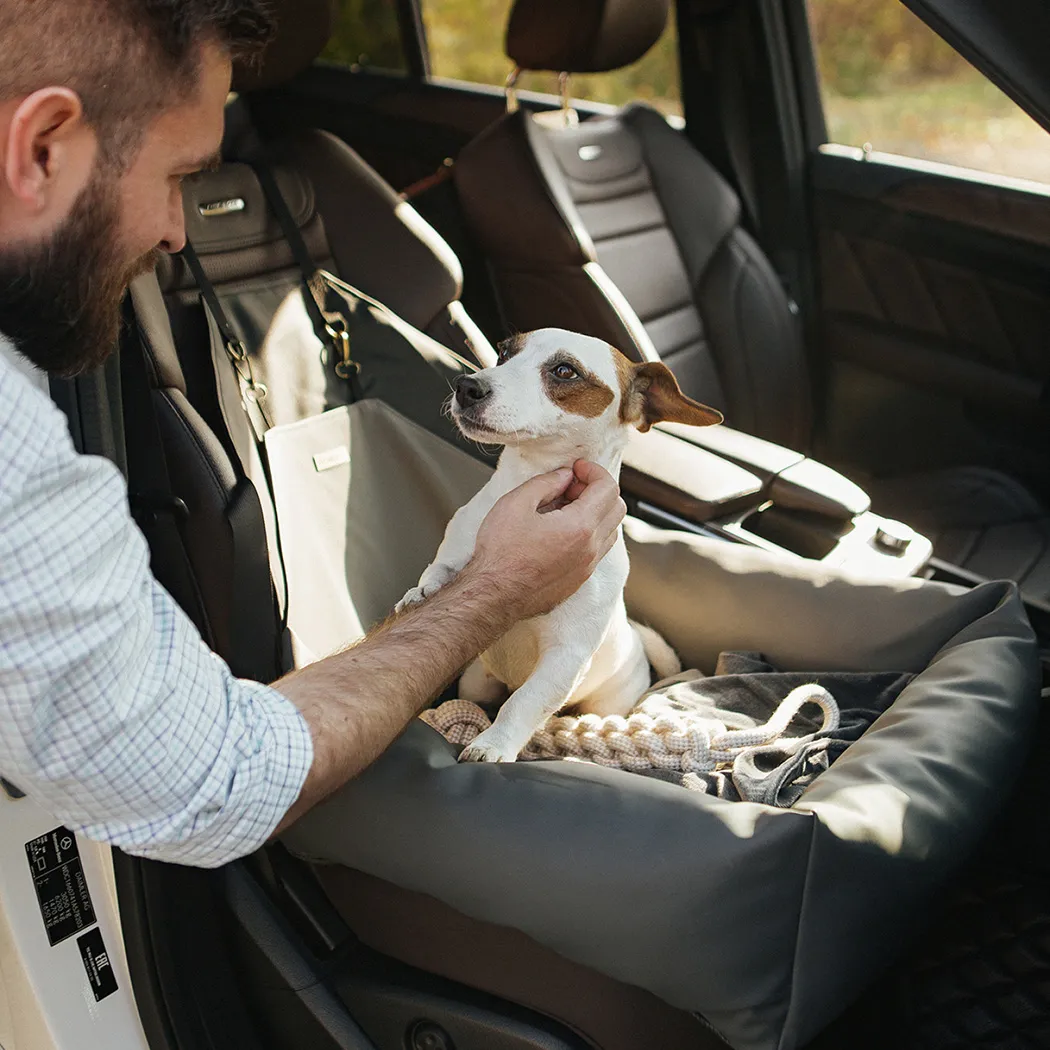
A practical option: “Pup Spot” Dog Car Seat (Gray) by Owleys
Keeping travel essentials within reach
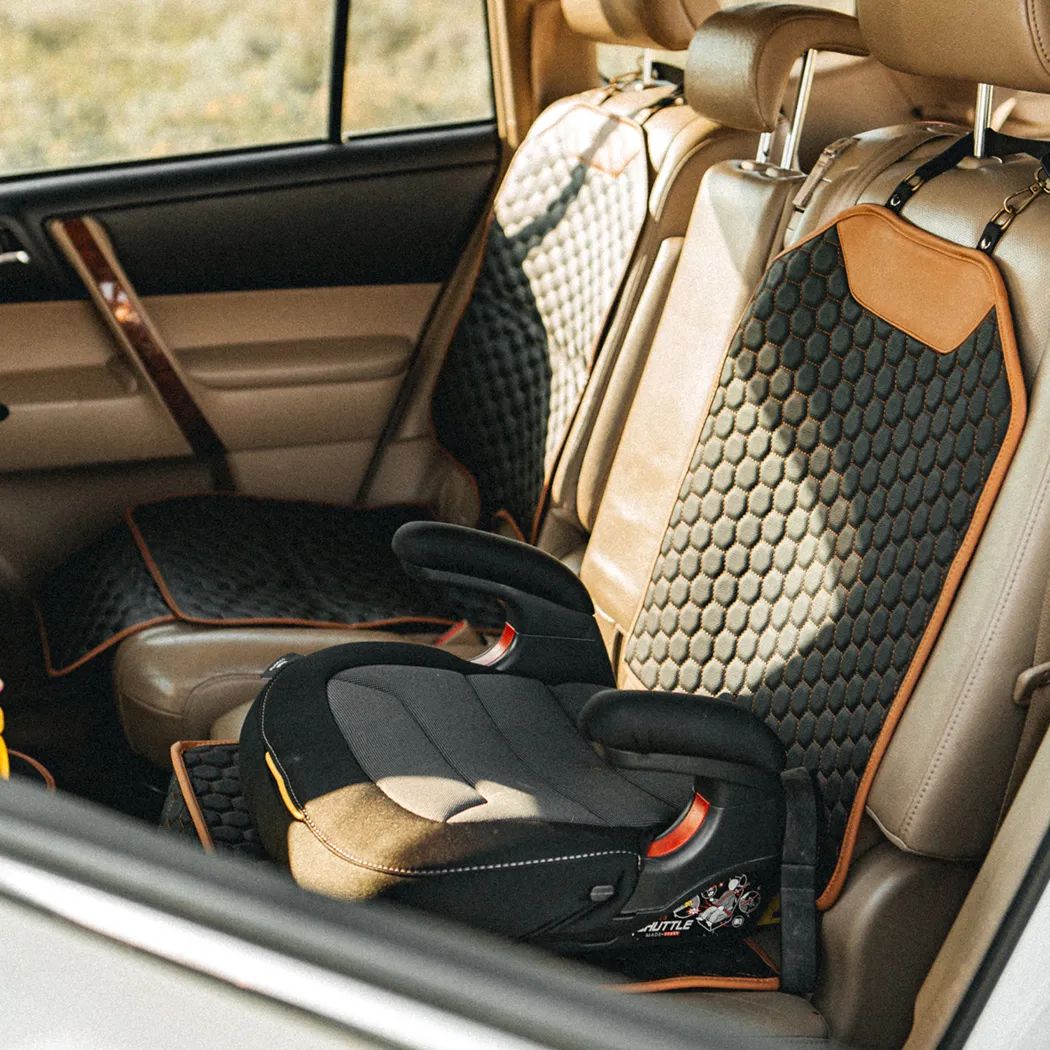
- Use a seat-back organizer to keep treats, water, wipes, a lint roller, and a small towel off the floor. Consider the Car Back Of Seat Organizer | “Hexy” by Owleys for a dedicated, easy-to-reach setup.
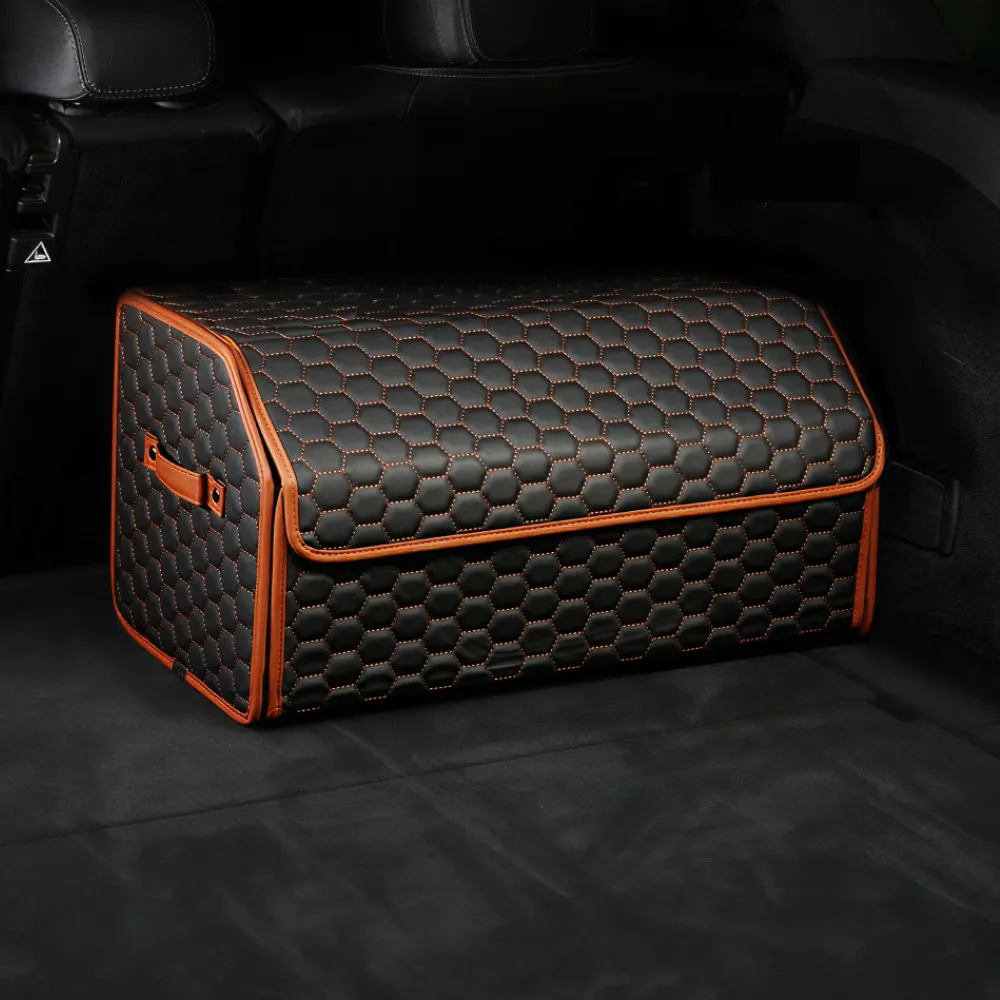
- Store a backup towel/blanket and cleanup supplies in the trunk for muddy paws or post-park shake-offs. The Car Trunk Organizer | 17.7 in – “Hexy” by Owleys can help keep those items from rolling around.
- Keep duplicates in the car. A spare roll of poop bags and a backup leash prevent last-minute scrambles when you’re already buckled in.
FAQ
Should a dog be clipped in with a collar or a harness in a booster seat?
Use a harness, not a collar. In a sudden stop, a collar connection can put dangerous force on the neck and throat; clip the tether to a properly fitted harness and check the fit and hardware before each trip.
Is it safe for a dog to ride in the front seat in a booster?
Many owners choose the back seat to increase distance from airbags. If using the front seat, follow your vehicle manual’s airbag guidance, move the seat back as far as practical, and always tether to a harness.
How do you clean a dog booster seat after muddy paws or motion sickness?
Remove the liner or pad, shake out debris, and vacuum hair. Wipe water-resistant surfaces with mild soap and water, then air-dry fully; for accidents, an enzymatic cleaner helps remove odor residue.


Leave a comment