
01 Why an interior protection pack matters (even for “clean” cars) 02 What a protection pack is meant to do 03 Why gray is a quietly premium choice 04 Who benef…
Read guideGarage Tool Box Organizer: Zone, Label, Find Tools Fast
4.9★
14 reviews
Customer rating on product page
A garage tool box organizer that stays elegant under real use
The luxury version of “organized” isn’t more compartments—it’s a calm, repeatable system: defined zones, quick access to daily essentials, and a layout that still makes sense after the third project of the week.
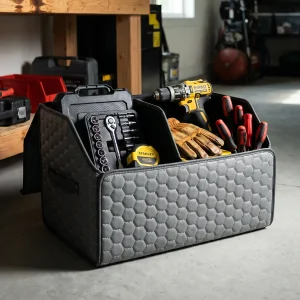
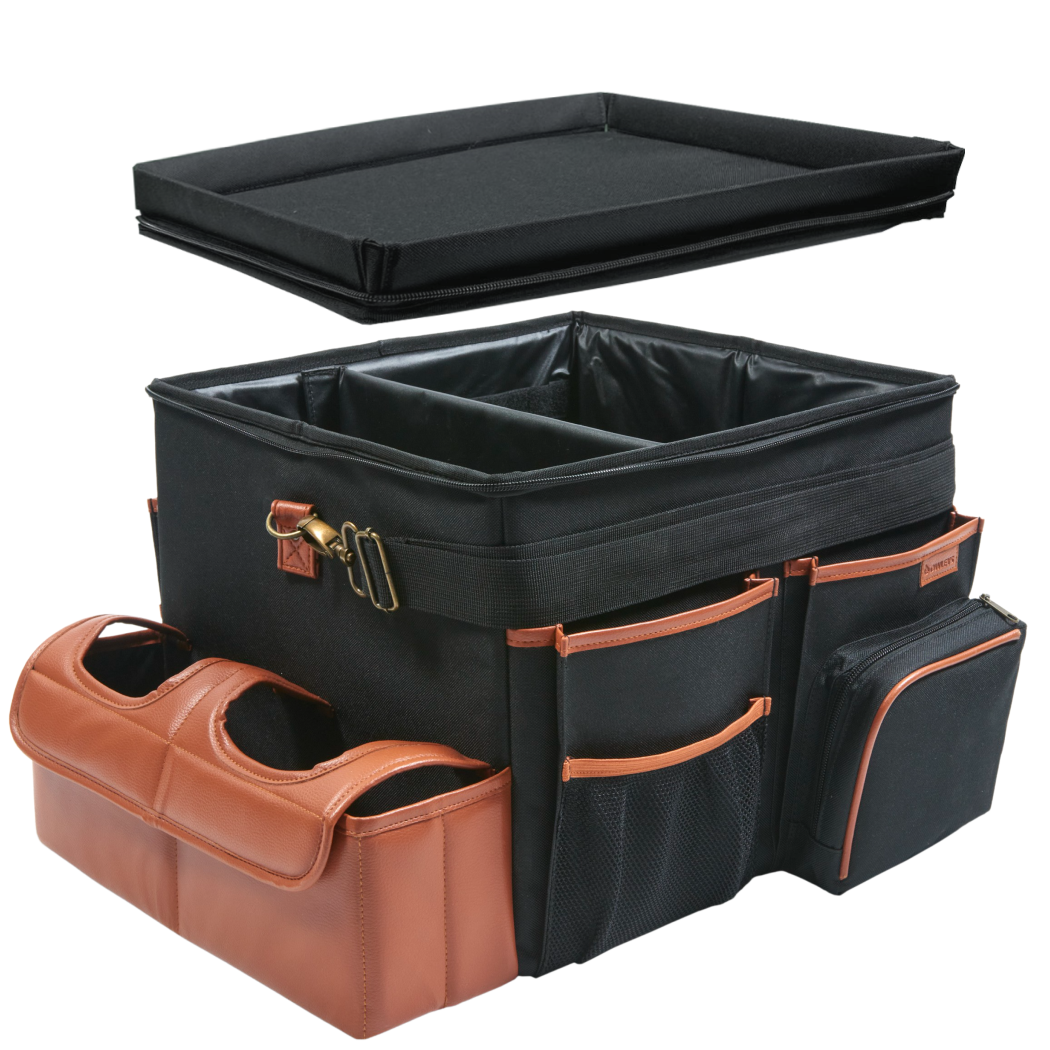
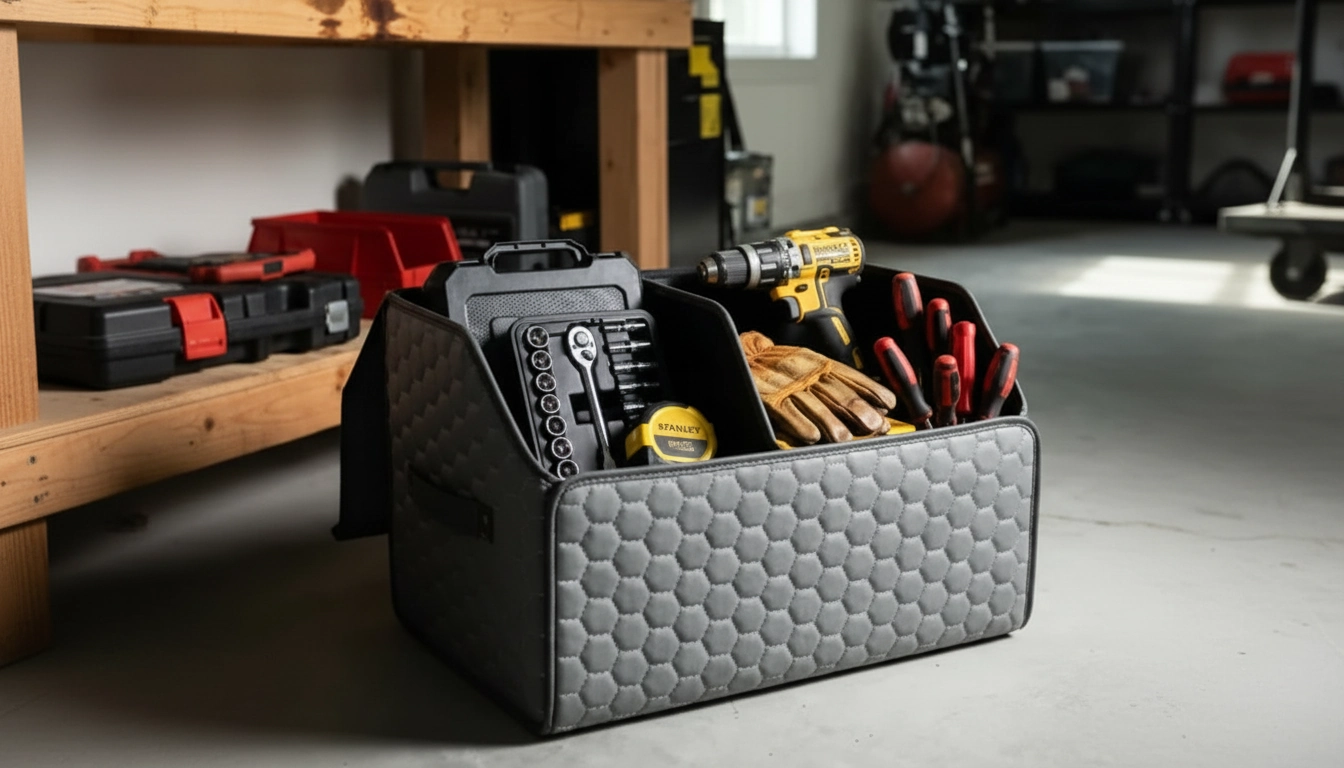
If you want one place where mixed tools and small parts can live without turning into a dump box, start with a portable organizer you’ll actually carry. The Garage Tool Box Organizer | Owleys is featured here as a reference point for building that system.
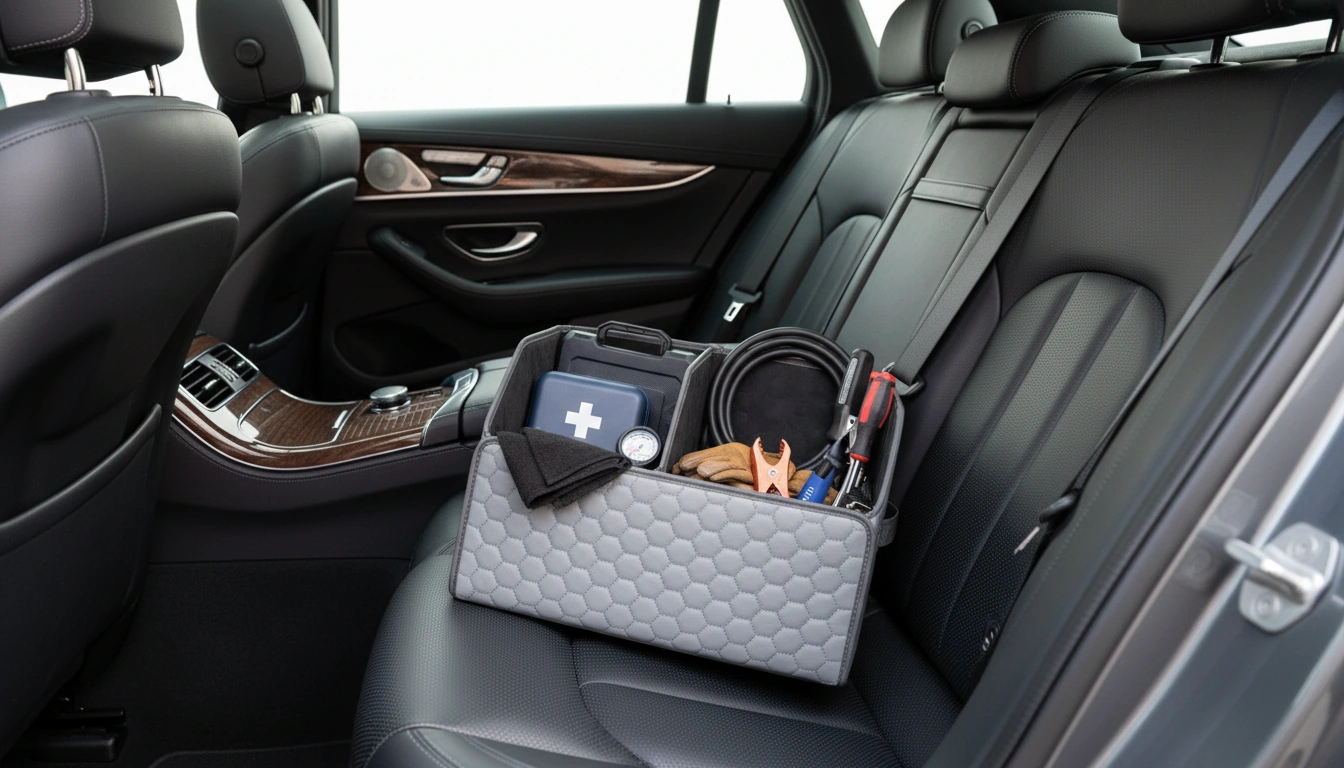
What an organizer should solve (not just store)
A garage tool box organizer earns its place by eliminating the small frictions that steal time and create risk.
- Small parts migration: bits, fasteners, blades, and anchors shouldn’t drift into one mixed corner.
- Repeatable “home” for daily tools: the tools you touch most should be obvious to grab and effortless to return.
- Transport stability: fewer loose items, less rattling, less re-checking inventory before you leave the garage.
- Safer separation: sharp edges and heavy tools should have dedicated space so they don’t shift into each other.
The zoning method that feels effortless
The fastest systems organize by task (what you’re doing) rather than by tool category (what something is). That mirrors real workflow—so the box naturally resets after each job.
- Define 4–6 task zones: measuring/marking, cutting, fastening, electrical, finishing, and consumables
- Keep daily tools on the top layer; occasional tools can live deeper
- Store “pairs” together (tape + pencil, bits + drivers, utility knife + spare blades)
- Use labels or simple color cues so tools return to the same spot
Choosing the right organizer style for your garage
Match the organizer to how your tools live: stationary, mobile, or a blend of both.
- Compartment organizers: best for fasteners and bits; prioritize secure lids and adjustable dividers.
- Portable boxes with trays: ideal for mixed kits and “grab-and-go” repairs.
- Drawer organizers: strong choice for rolling cabinets; look for modular inserts and non-slip liners.
- Wall systems as a complement: keep bulky tools off the bench so the box stays focused on essentials.
A layered setup is often the most refined: wall storage for awkward items, drawers for hand tools, and one portable organizer dedicated to daily-use tools.
Features that keep a neat layout from drifting
Details decide whether the system stays crisp—or slowly dissolves back into a mixed pile.
- Adjustable dividers: your kit changes; the layout should adapt without a full reset.
- Clear or labeled compartments: reduces “dump-and-search” moments.
- Stable base + secure closure: helps prevent shifting while carrying.
- Easy-clean surfaces: practical for dust, oil, and metal shavings.
A simple test: pick the organizer up and gently tilt it like you’re walking across the garage. If contents spill between compartments, small parts will migrate in real life too.
1
Setting up a tool box organizer once is easy; setting it up so it stays organized is the win
2
This checklist builds a layout that resists drift
3
Empty everything and sort into piles: daily use, occasional use, duplicates, and discard/replace Measure the largest items first (tape, pliers, small level) so compartments fit real tool dimensions Assign one compartment to “consumables” (bits, blades, tape) and restock it like a mini supply drawer Create a quick inventory card (or lid label) for small parts to reduce re-buying duplicates Do a two-week tweak: adjust dividers based on what keeps landing in the wrong spot Keep the reset routine simple: after each job, return tools to their zone and top off consumables
4
When the organizer is easy to “close the loop” on, it stays reliable
“Keeps all my car tools in one place instead of scattered across shelves. Folds down quickly when extra space is needed, which is a big plus in a smaller garage”
Compare related options such as Compact Dog Water Bottle | “TravelSip” by Owleys to match features, dimensions, and use case before choosing.

Leave a comment