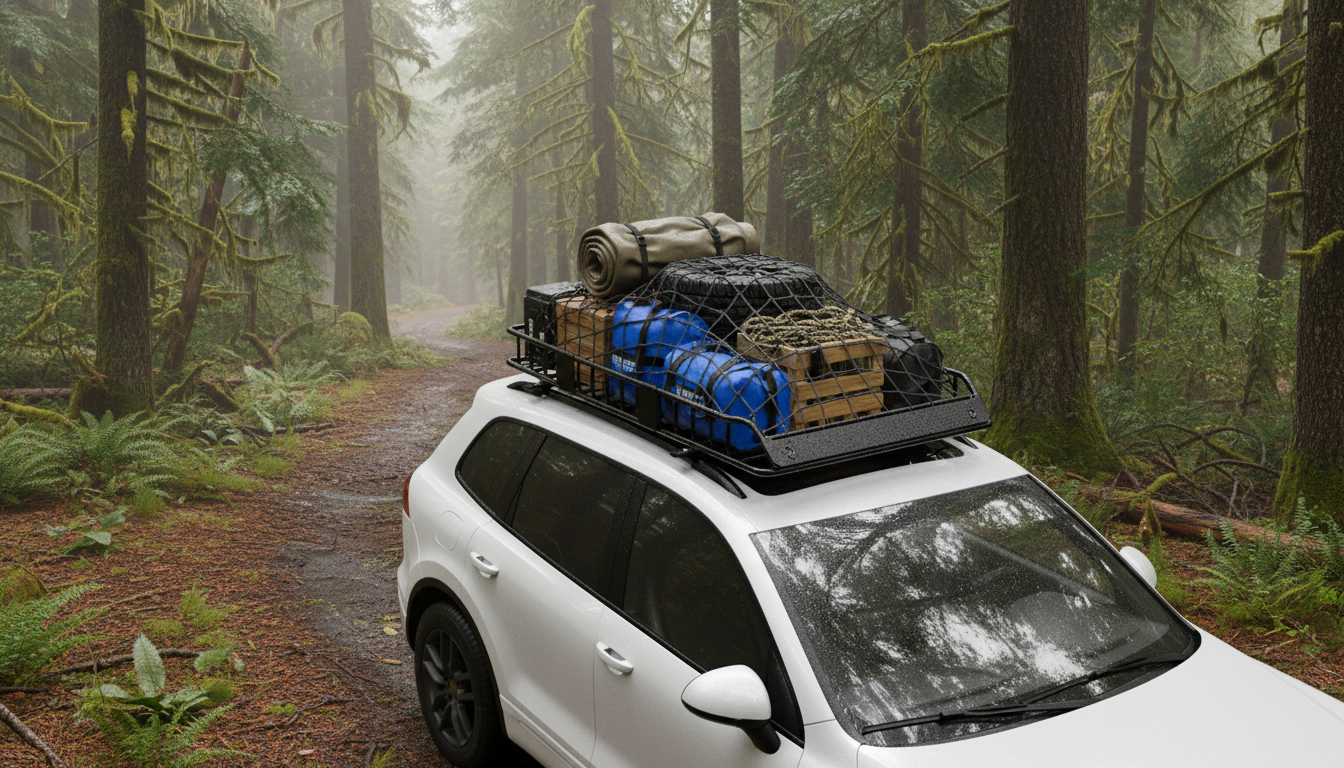
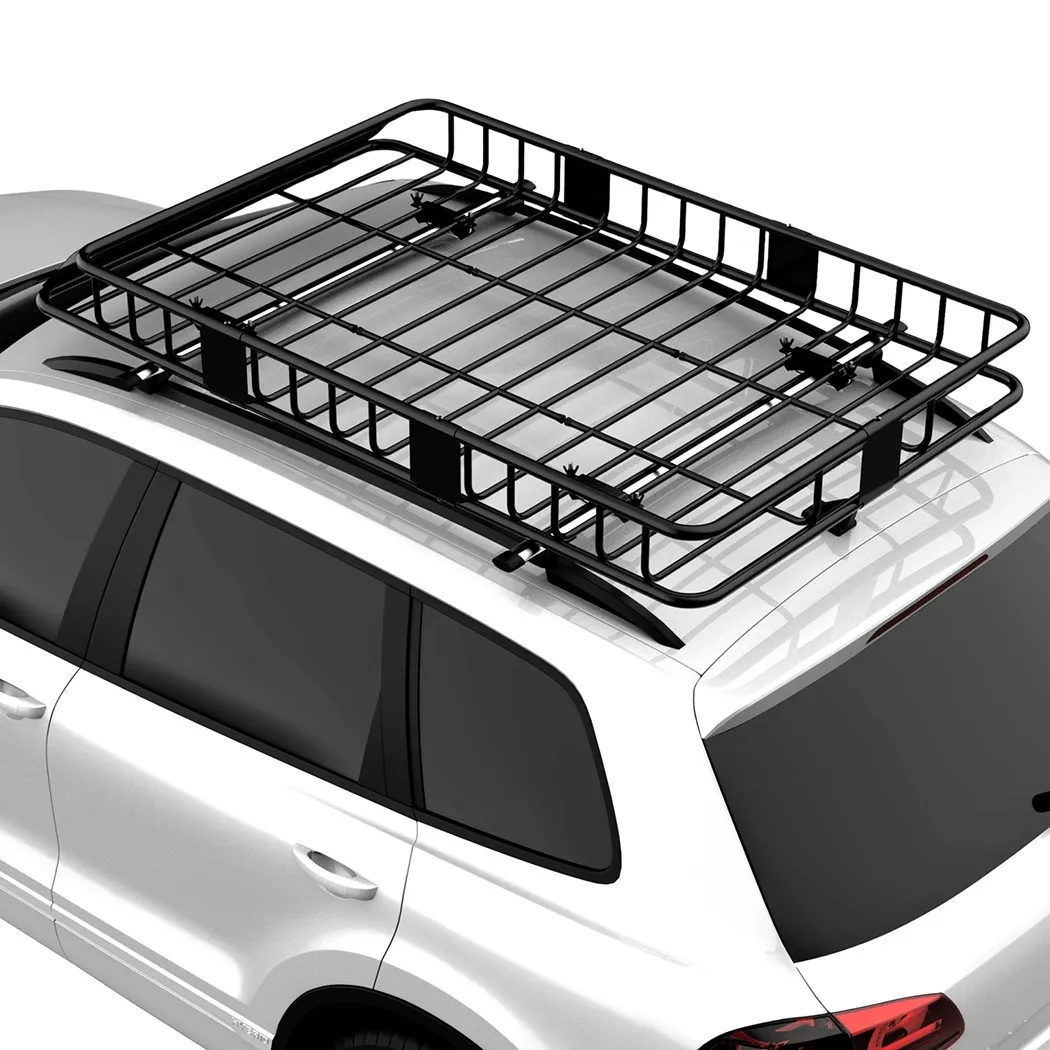
A roof basket is one of the simplest ways to expand cargo capacity for road trips, camping weekends, and everyday hauling while keeping passengers comfortable inside. The Owleys “Topper” roof rack basket is built around a steel mesh platform with tall side rails and a weather-resistant coating, giving bulky items a stable place to ride up top—and giving drivers an easier setup for loading, strapping down, and checking gear along the way.
The Topper roof basket is designed for oversized, awkward cargo that’s tough to fit in a trunk or cargo area—think duffel bags, tents, coolers, ski gear, or recovery boards. A mesh base helps support distributed loads while providing plenty of tie-down points, and raised rails help keep items contained when paired with straps, bungees, or a cargo net. The waterproof, anti-corrosion finish is intended for year-round exposure, including rain, snow, and road salt.
| Feature | Details |
|---|---|
| Product | Car Roof Rack Basket “Topper” by Owleys |
| Overall dimensions | 64″ x 39″ x 6″ |
| Claimed capacity | Up to 500 lbs (always confirm your vehicle’s roof limit) |
| Construction | Steel basket with mesh platform |
| Finish | Waterproof, anti-corrosion coating |
| Best use cases | Road trips, camping, ski/snowboard trips, bulky gear transport |
A roof basket is only as safe as the vehicle’s roof rating, crossbars, and how the load is secured. Before packing, confirm roof load limits in your owner’s manual—many vehicles list a lower dynamic rating (while driving) and a higher static rating (when parked). If you’re new to load planning, it also helps to review general safety guidance from NHTSA and practical rack tips from AAA.
Next, add up everything that sits on the roof: the crossbars/roof rack, the basket, and all cargo. The safe limit is the lowest-rated component in the system (often the vehicle roof rating, not the basket). When loading, keep the heaviest items centered and as low as possible inside the basket, and balance weight evenly from left to right to reduce sway. For large items, use at least two independent tie-downs so one strap failure doesn’t become a total loss.
Practical habit: after your first 10–15 minutes of driving, pull over and re-check strap tension. Webbing can “settle” as soft goods compress and knots tighten. Repeat the check at fuel stops, especially after rough pavement, rain, or temperature swings that can change strap tension.
Steel roof baskets are built for the outdoors, but long-term durability depends on how well the protective coating stays intact. A waterproof, anti-corrosion finish helps resist rust caused by rain, humidity, and winter road salt. Still, moisture trapped under a tightly wrapped tarp can speed corrosion over time, so it’s smart to dry wet gear when you can and avoid leaving soaked loads tied down for days.
After winter drives, rinse off salt and road grime and let the basket fully dry. If you notice chips or scratches, touch them up promptly to keep bare metal from starting a rust spot that grows under the coating.
Roof baskets require crossbars, so compatibility starts with your existing roof system. Confirm your crossbar style and spacing can support the basket footprint, and verify that hardware clears roof contours and side rails. Before final tightening, check practical clearances: sunroof opening, shark-fin antennas, and rear hatch lift (some vehicles can contact cargo or the basket at full hatch height).
Plan for added height, too. Measure total vehicle height with the basket installed so garages, parking decks, and drive-throughs don’t become expensive surprises. Expect some added wind noise and reduced fuel economy due to increased frontal area. If a whistle develops, a small position change—often slightly rearward—can sometimes help, but always keep the basket mounted where crossbar support is strongest.
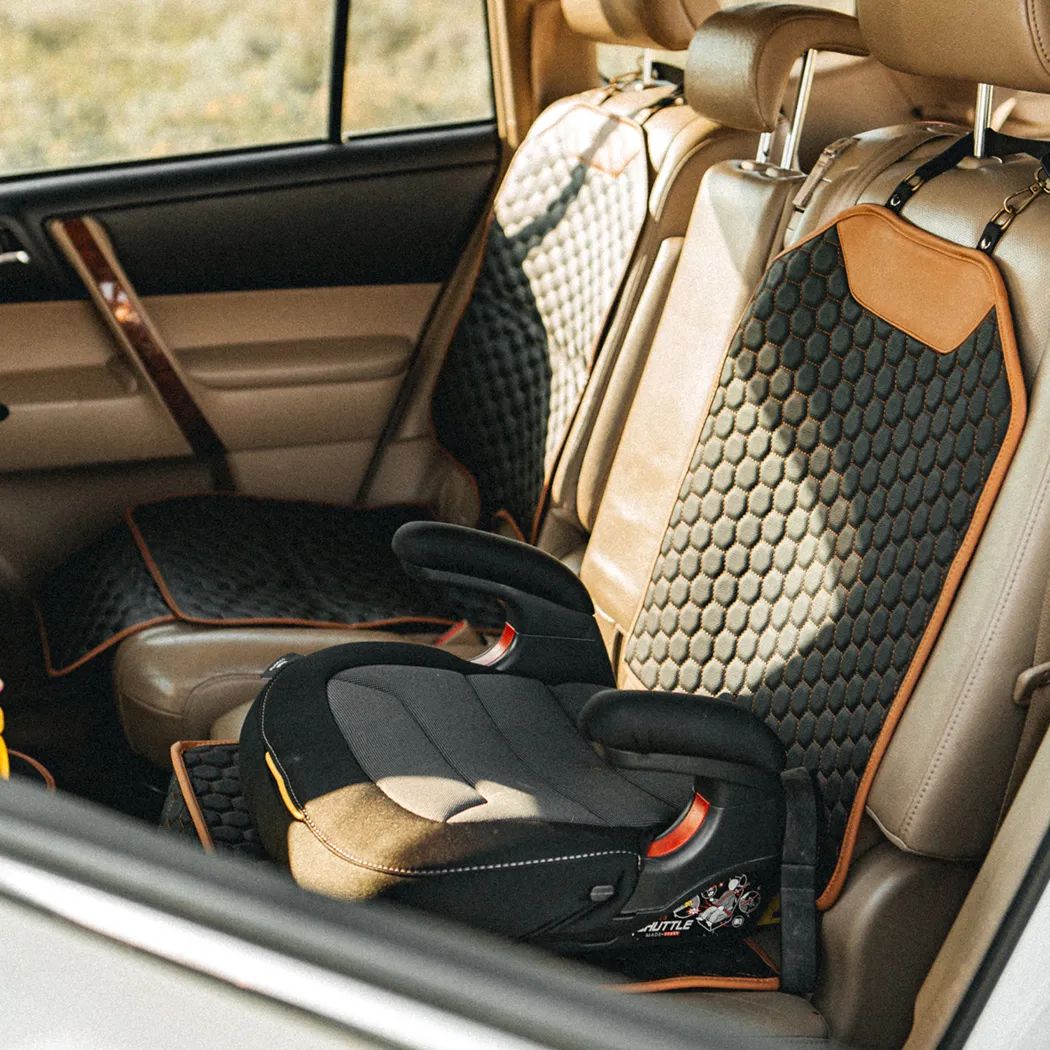
Rooftop storage works best when the cabin and trunk stay organized—fewer loose items means fewer stops to rummage and fewer chances of something sliding underfoot. For front-seat convenience, a seat-back organizer keeps small essentials (wipes, charging cables, maps, sunglasses, snacks) within reach: Car Back Of Seat Organizer | “Hexy” by Owleys.
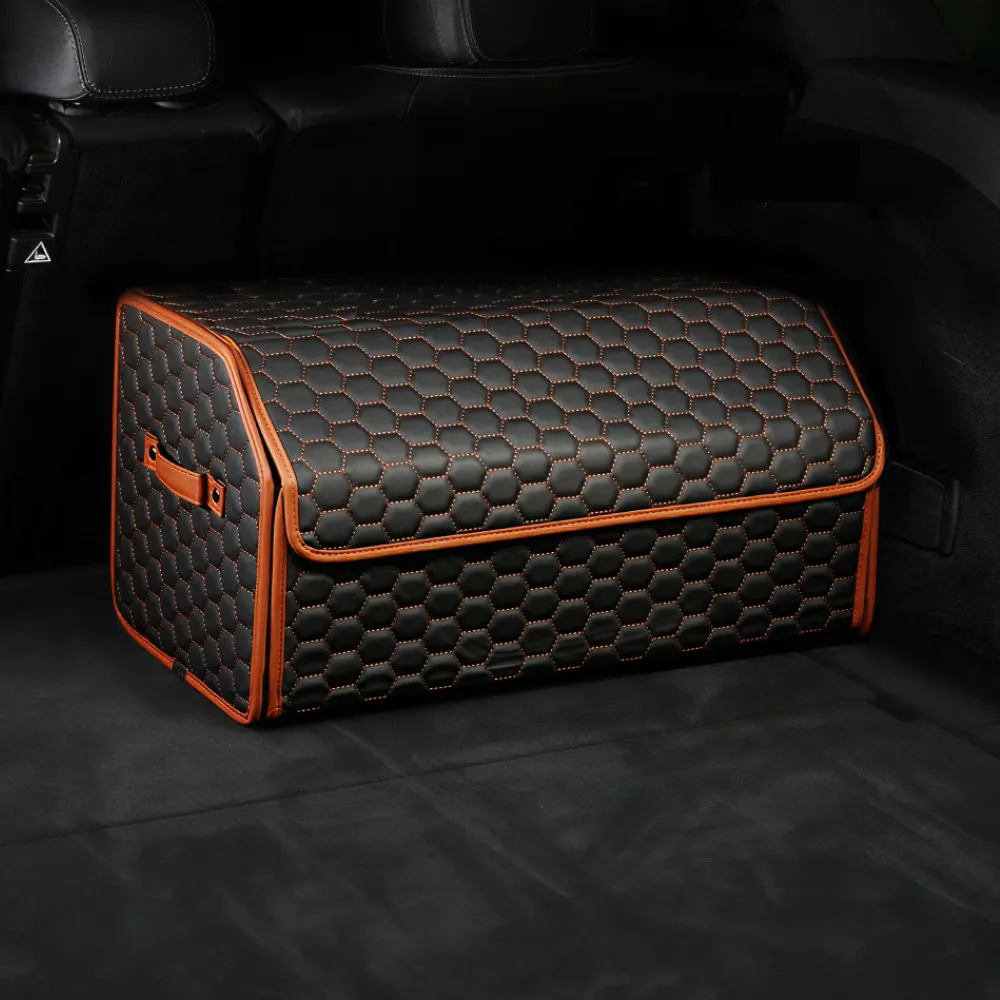
In the cargo area, a structured organizer helps keep recovery gear, inflators, and emergency supplies from shifting between turns: Car Trunk Organizer | 17.7 in – “Hexy” by Owleys. For family road trips where cabin comfort matters, a travel-ready seating setup can also help keep passengers settled for longer drives: Backless Booster Seat with LATCH | “Snug Bug” by Owleys.
The basket rating is only one part of the system; the vehicle roof and crossbars usually have a lower dynamic (driving) load limit. Keep the total of crossbars + basket + cargo under the lowest-rated component, and confirm the limit in your owner’s manual.
The basket can be weather-resistant, but your cargo still needs its own protection. Use waterproof cargo bags or a tarp, secure everything so fabric can’t flap, and avoid creating “pockets” where water can pool and soak gear.
Often yes—adding frontal area and turbulence can increase noise and aerodynamic drag. Tighten mounts, experiment with placement if you hear whistling, and remove the basket when you won’t be using it for a while.
Subscribe for Owleys product launches, fresh car accessories, and exclusive Adventure Club savings up to 30% OFF.

Choose the adventure that speaks to you and receive tailored recommendations from the Owleys Adventure Club.
Get ready for exclusive member discounts, early access to new products, special gifts, and travel inspiration from the Owleys team.
Your guide will arrive within 5 minutes.Please ensure all fields are completed correctly.
error
Leave a comment