

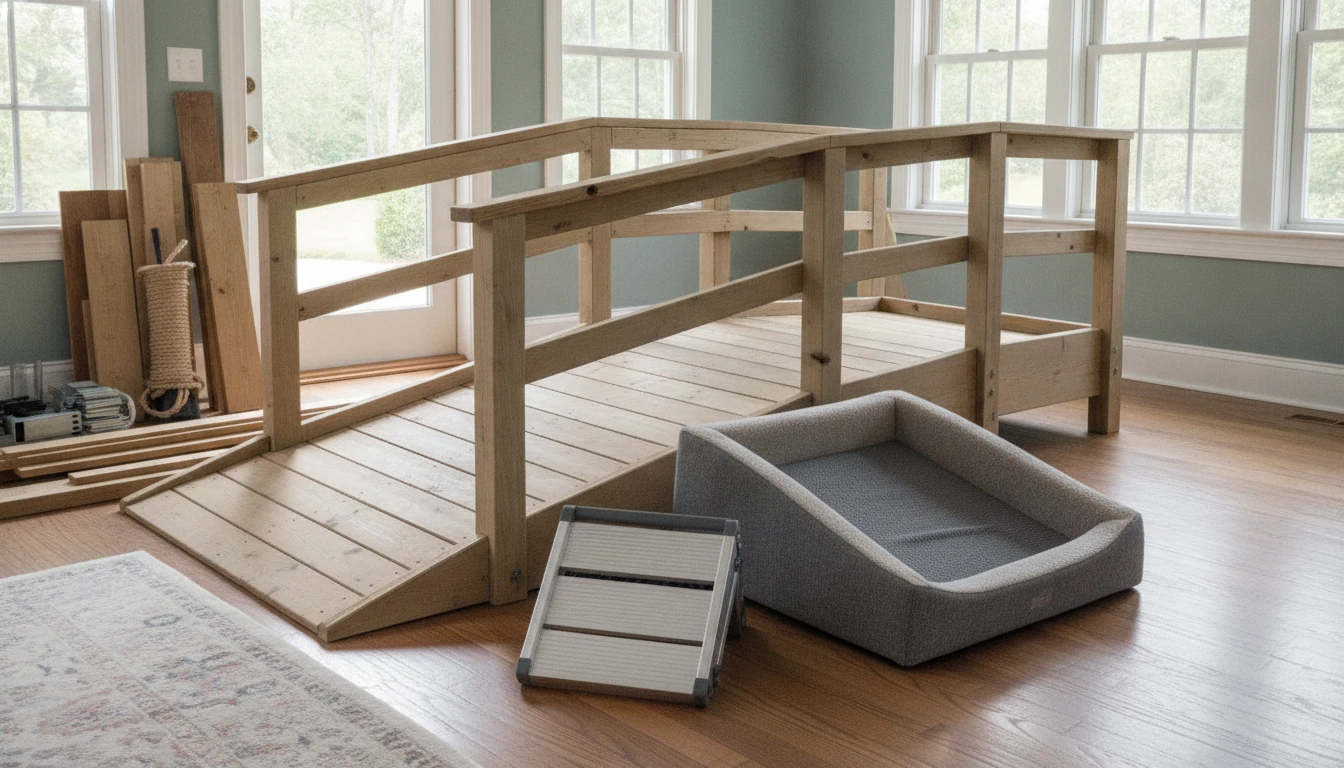
Typical Price Range for Dog Car Ramps
For more guidance on choosing a ramp for larger vehicles, see this tailgate car dog ramp guide for safer SUV and truck loading.
What Makes One Ramp Cost More Than Another?
Longer ramps typically cost more because they require more material and stronger support. A longer ramp also creates a gentler incline, which is especially important for senior dogs, large breeds, or pets with joint sensitivity.
Aluminum ramps are often lighter and more corrosion-resistant than steel, while reinforced plastic ramps may be more affordable but less rigid. Look for rubber feet, side rails, a non-slip walking surface, and locking hinges if the ramp will be used regularly.
Portable Ramps vs. Built Ramps
Portable ramps are usually the more affordable choice for car, SUV, and truck access because they are pre-made and do not require installation. Most fold or telescope, making them easier to store in a cargo area.
Built ramps cost more because they may require lumber, concrete footings, handrails, fasteners, permits, and labor. For home accessibility, the slope is often planned around a 1:12 ratio, meaning 1 inch of rise may require about 12 inches of ramp length.
How to Estimate the Right Budget
Measure the height from the ground to the loading point, then choose a ramp length that keeps the incline comfortable. For many SUVs and trucks, a ramp around 60 to 72 inches long is common, but taller tailgates may need a longer model.
If the ramp is for a dog, compare your dog’s weight to the listed capacity and leave a safety margin. A ramp rated well above your pet’s weight is usually a better investment than the lowest-priced option.
When a Higher-Priced Ramp Is Worth It
A higher-priced ramp can be worth it when it is used daily, supports a heavy dog, or must work with a tall vehicle. Features like a wide walking path, textured grip, stable hinges, and compact folding can reduce strain during every trip.
Before purchasing, confirm the ramp fits your vehicle’s cargo opening or tailgate height. Also check the folded dimensions so it can be stored without blocking passengers, crates, or travel gear.
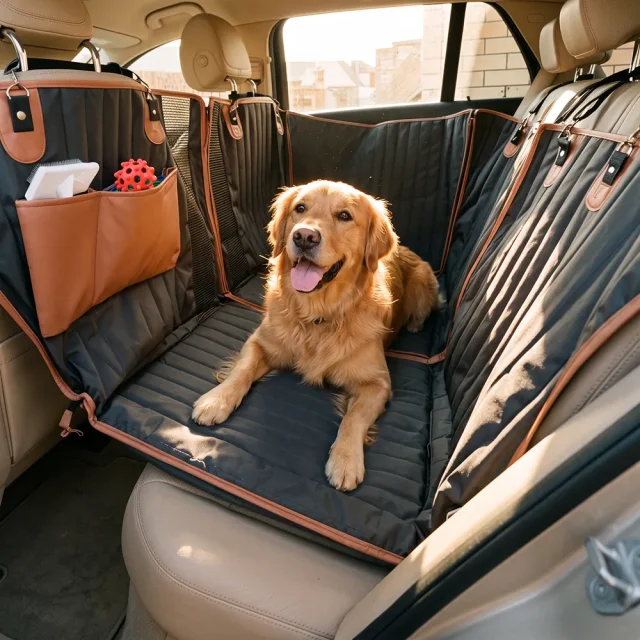
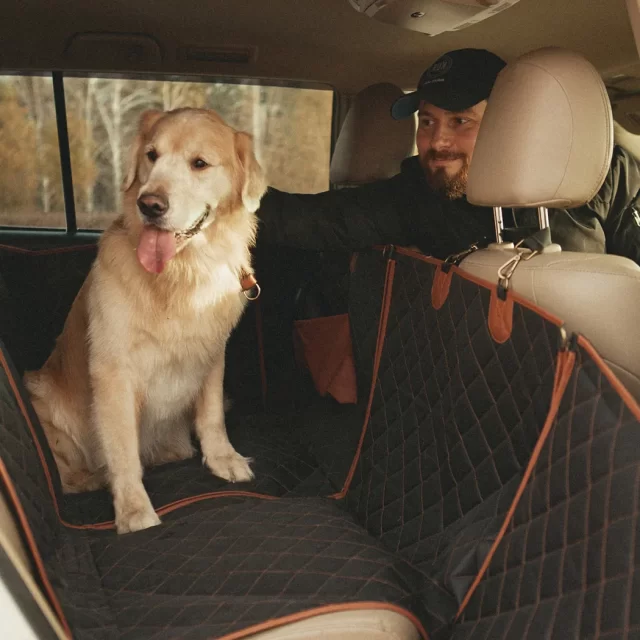
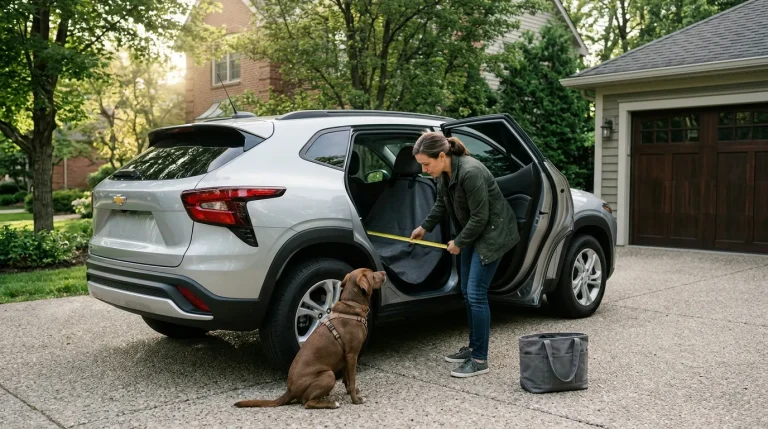
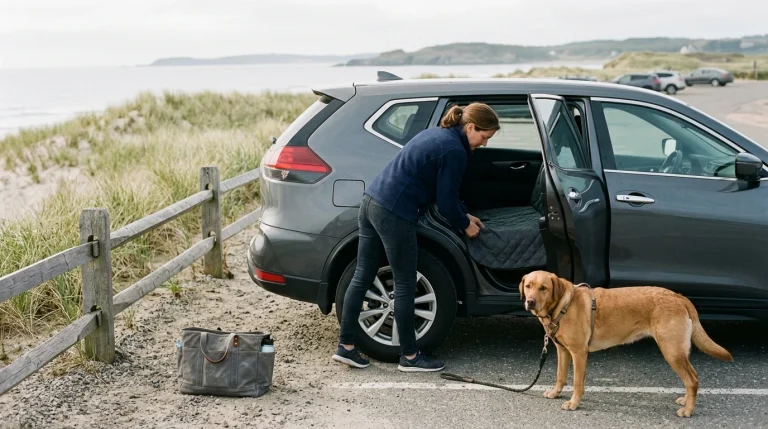
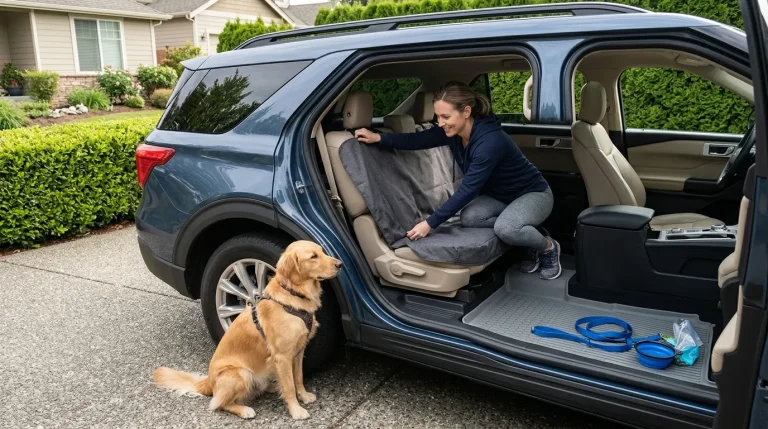
The Travel Buddy Mk. II Dog Hammock works alongside the ramp and keeps the back seat covered, so shed dog fur lands on a washable surface instead of the car upholstery.
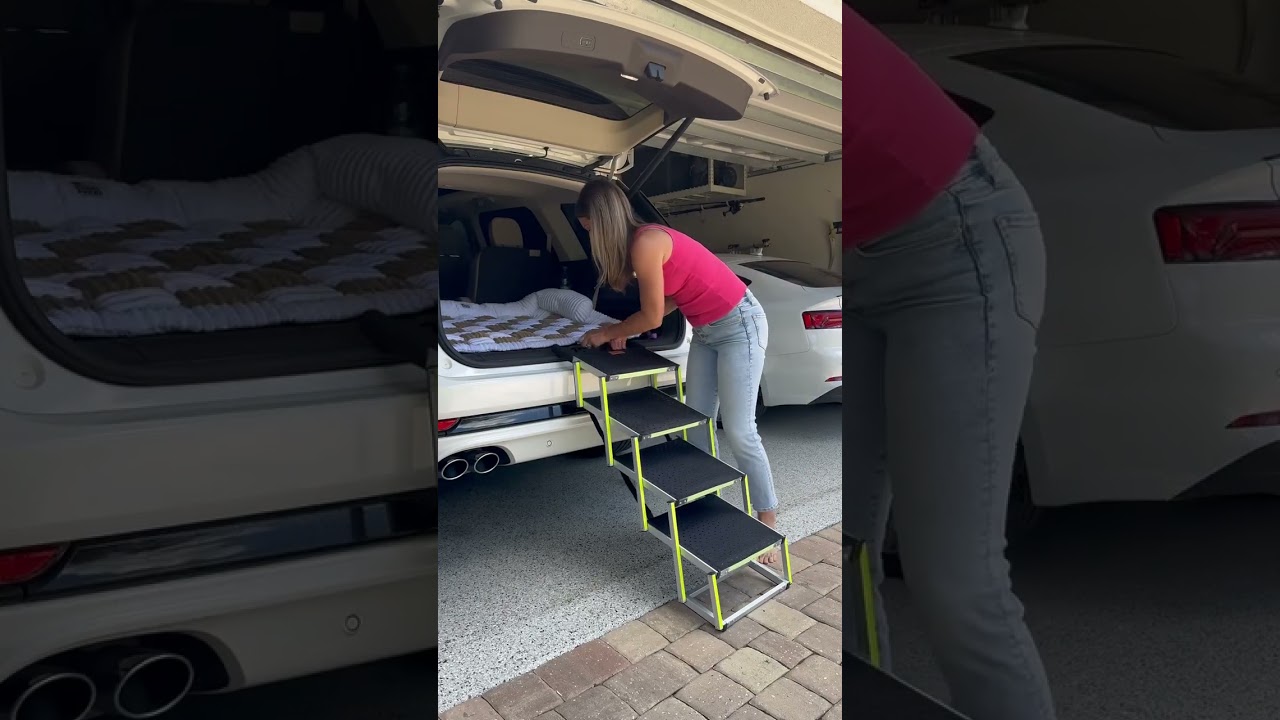
“Works well with my ford explorer, not so much with my compact car. It’s a bit too bulky for smaller vehicles but great for larger ones. My dog feels secure using this car dog ramp, and I appreciate the adjustable features 👏👏”
How to use the dog ramp
FAQ
How expensive are ramps?
Ramps can be inexpensive or costly depending on their purpose and construction. A simple portable pet or loading ramp may be under $100, while heavy-duty, extra-long, or professionally installed ramps can reach several hundred or several thousand dollars.
Why are ramps so expensive?
Ramps are expensive when they use strong materials, longer spans, anti-slip surfaces, reinforced hinges, or high weight capacities. Built ramps also cost more because labor, supports, railings, and code-compliant slope requirements add to the total price.
How much does it cost to build a 20 ft ramp?
A 20 ft ramp can cost several hundred dollars for a basic DIY wood build and significantly more if professionally installed. The cost depends on lumber or metal prices, railing requirements, surface treatment, site preparation, and local labor rates.

Leave a comment