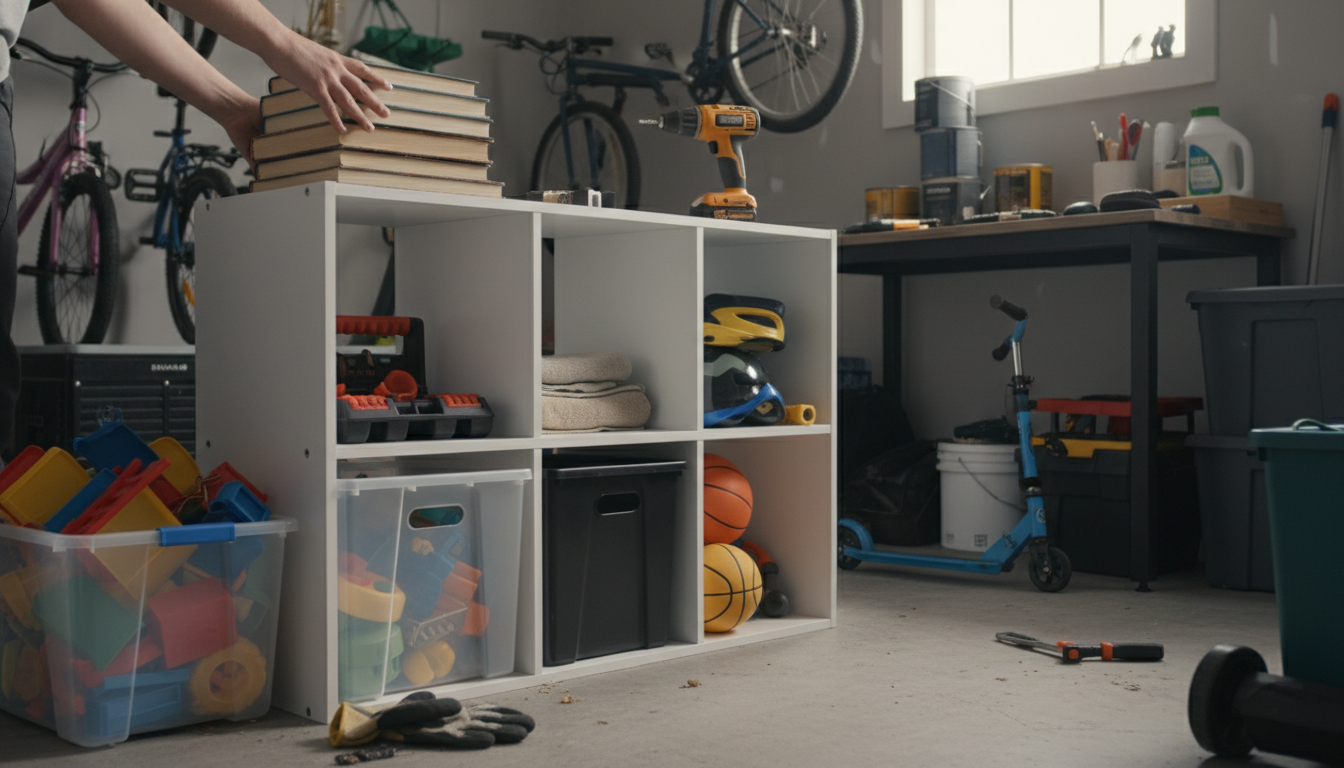
The exact weight capacity for a Mainstays 6-cube organizer depends on the specific model (and sometimes the production run), so the most reliable source is the capacity statement on the product packaging, instruction sheet, or the sticker on the unit itself. Mainstays cube organizers are typically made from laminated particleboard, and their load limits can vary based on panel thickness, hardware, and whether the unit is used vertically or horizontally.
As a practical rule, treat a cube organizer as “light-to-moderate duty” storage. Fabric bins, folded clothing, toys, books (not packed tightly), shoes, and small electronics are generally appropriate. Heavier items—like stacks of textbooks, free weights, or large aquariums—can overload the shelves or cause sagging over time.
When weight ratings are provided, they’re often listed as a maximum per cube/shelf and sometimes a separate maximum for the top panel. Even without an official number in front of you, it’s smart to distribute weight evenly across multiple cubes instead of concentrating it in one spot, and to avoid loading the top with dense, heavy objects that can create a tipping risk.
Keep the organizer on a flat, hard surface, square up the frame during assembly, and re-tighten fasteners after a day or two of use. If you’re placing heavier items inside, put them in the bottom cubes and spread them out. If your home has kids or pets, anchoring the unit to the wall is a smart safety upgrade for tall or narrow orientations.
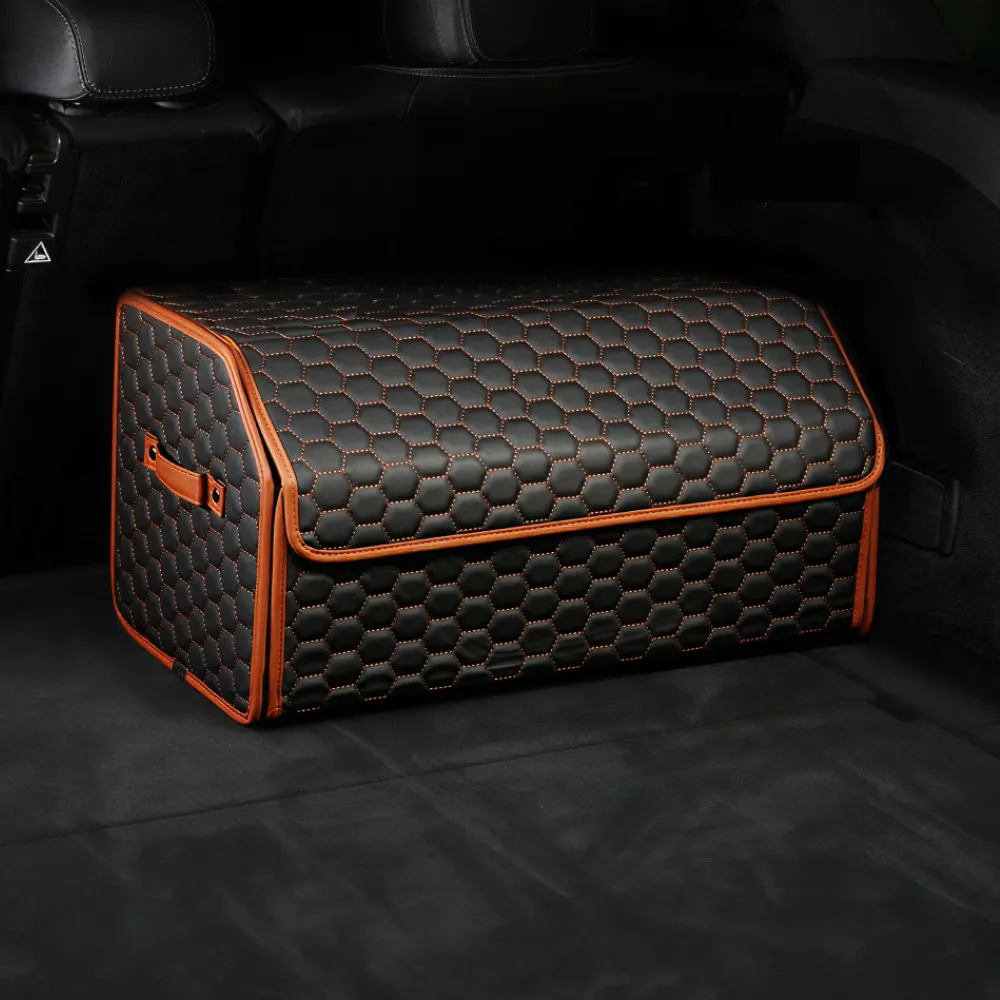
If you’re comparing storage options for a vehicle or trunk—where shifting loads and sudden stops matter—see this related guide on a purpose-built organizer: Owleys Hexy foldable trunk organizer with Velcro base.
Usually, yes—many 6-cube units are designed to work either vertically or horizontally. Just follow the manufacturer’s instructions for the correct orientation, keep the load evenly distributed, and consider anchoring it if the setup could tip.
Subscribe for Owleys product launches, fresh car accessories, and exclusive Adventure Club savings up to 30% OFF.

Choose the adventure that speaks to you and receive tailored recommendations from the Owleys Adventure Club.
Get ready for exclusive member discounts, early access to new products, special gifts, and travel inspiration from the Owleys team.
Your guide will arrive within 5 minutes.Please ensure all fields are completed correctly.
error
Leave a comment