
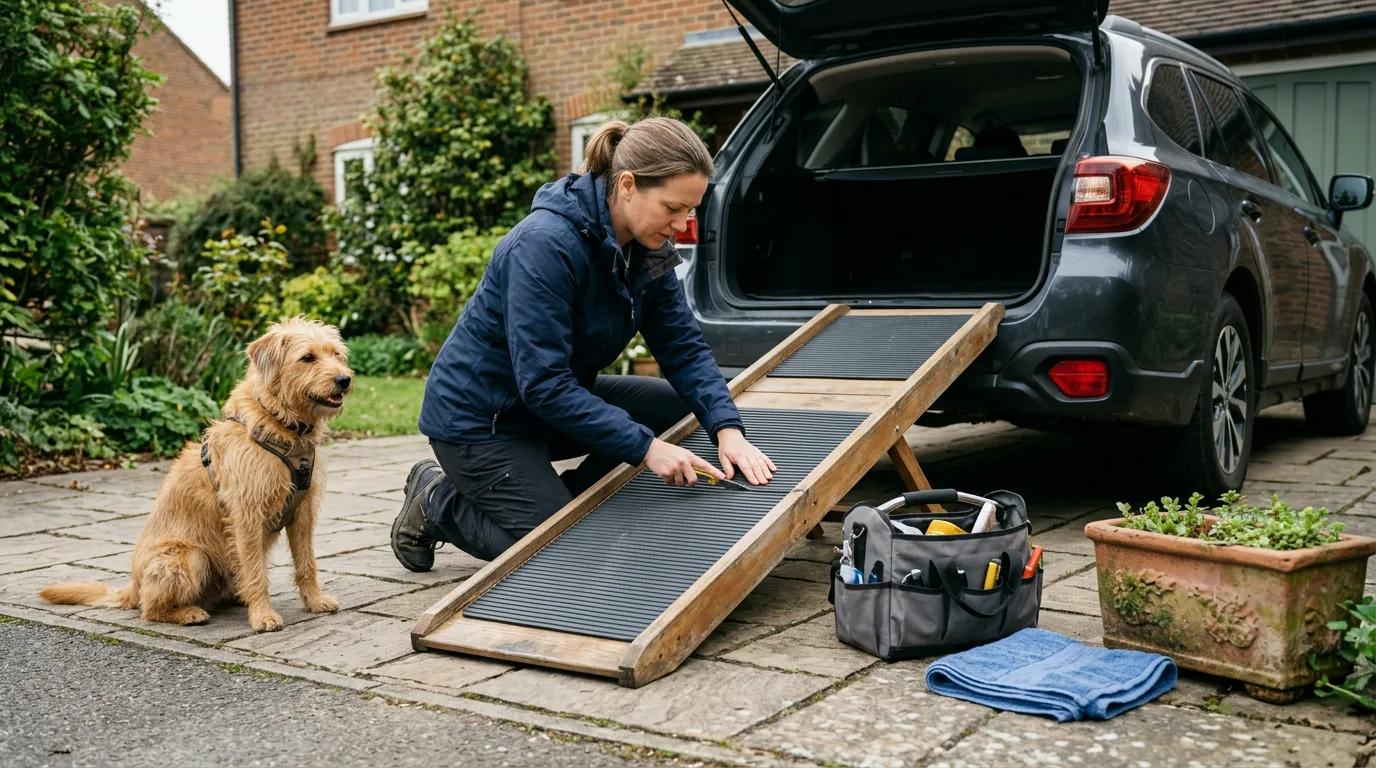
Clean and dry the walking surface
Start by removing mud, sand, leaves, and road residue from the ramp, then let it dry fully before your dog uses it. Even a textured surface can feel slick when dirt fills its grooves or water sits on top, so make cleaning part of your regular ramp care.
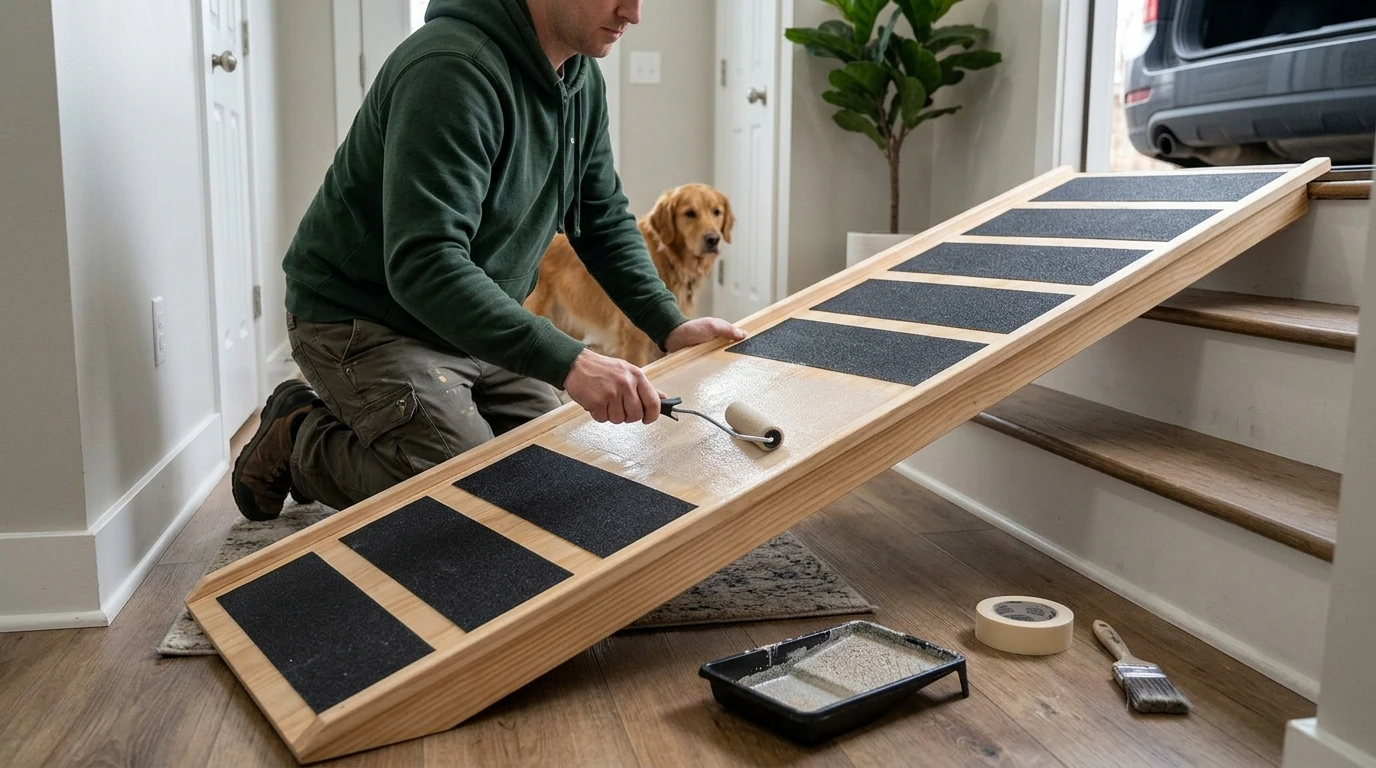
Add traction where paws need it
If the surface is still slippery when clean, consider a securely attached, outdoor-rated traction material such as grip tape or a rubber mat cut to fit the walking area. Choose a material that gives your dog’s paws purchase without leaving sharp edges, loose corners, or raised seams that could catch a nail or become a trip hazard.
Keep the ramp stable and the incline manageable
Before each use, place the ramp on firm, level ground and make sure its upper end rests securely against the vehicle; a ramp that shifts can feel slippery even when its surface has grip. If your dog hesitates or scrambles, a gentler incline may help, so use a longer ramp when appropriate or load from a lower vehicle opening when possible.
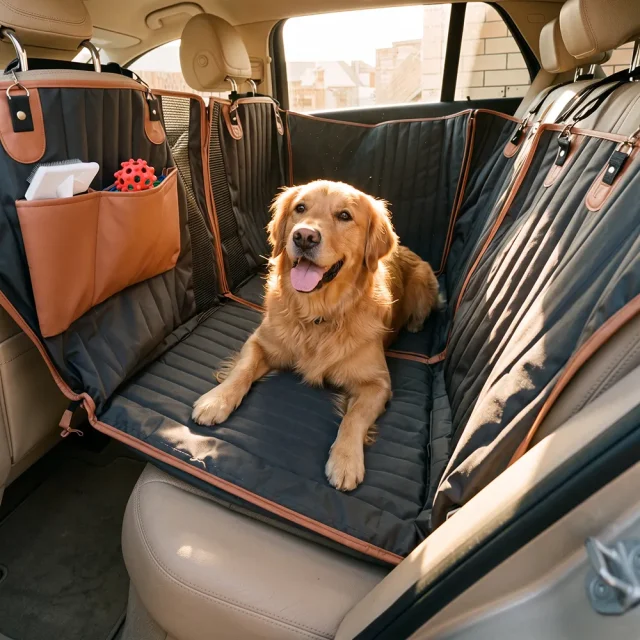
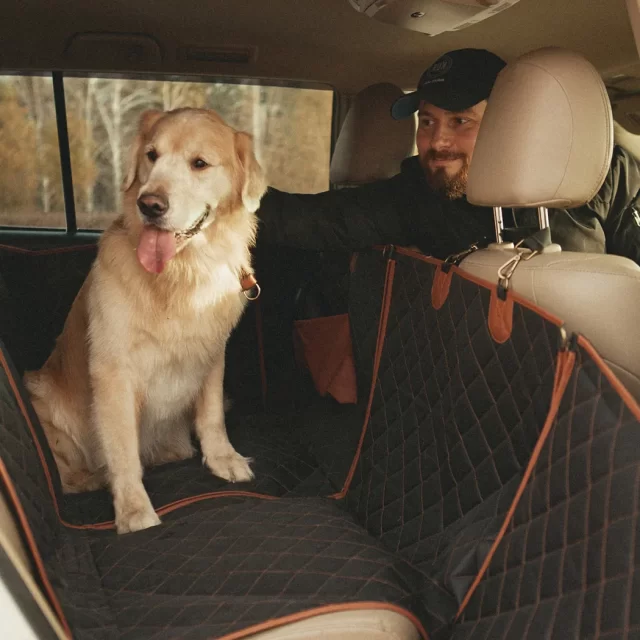
The Travel Buddy Mk. II Dog Hammock keeps the back seat covered, so shed dog fur lands on a washable surface instead of the car upholstery, pairing with the ramp during everyday use.
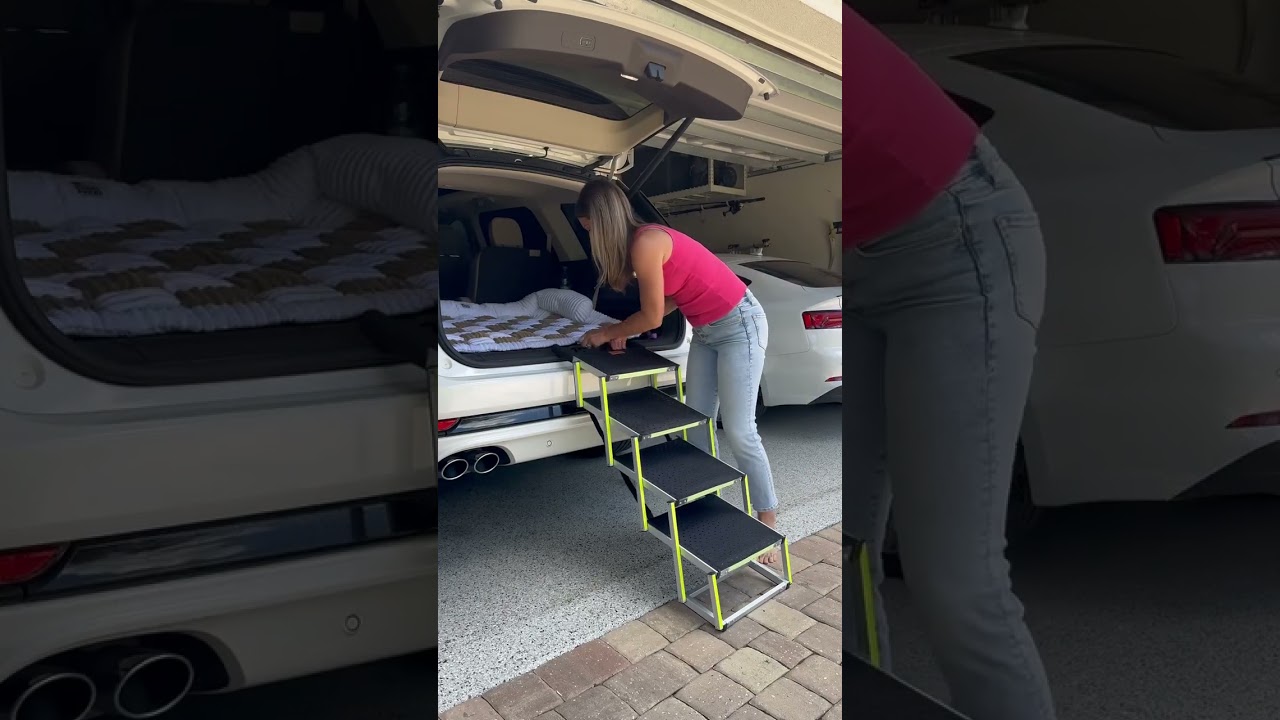
“Great car ramp!!!! It’s compact and easy to store in my sedan’s trunk. The anti-slip surface is excellent for rainy days, ensuring my dogs can climb safely!!!!”
How to use the dog ramp
For the full product context, see the main Owleys guide.
FAQ
How to make a ramp less slippery?
Clean and dry it first, then add a firmly secured traction surface if your dog still loses footing. Also stabilize the ramp and reduce the incline where possible, since grip alone will not solve a ramp that moves or feels too steep.
What to put on a slippery ramp?
Outdoor-rated grip tape or a fitted rubber mat can add traction if it adheres securely and does not interfere with the ramp’s placement or storage. Avoid loose towels or mats, which may bunch up or slide under your dog’s paws.

Leave a comment