
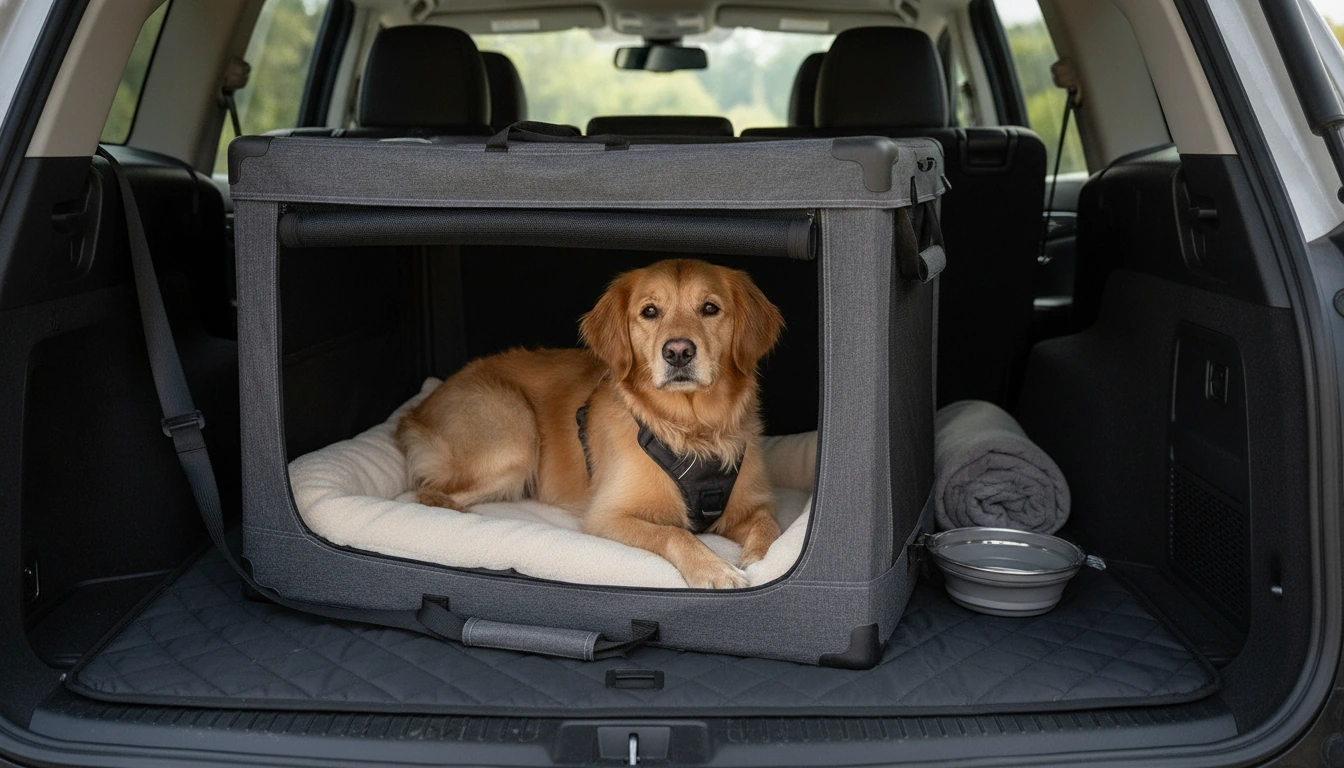
Is it safe for a dog to travel in a crate?
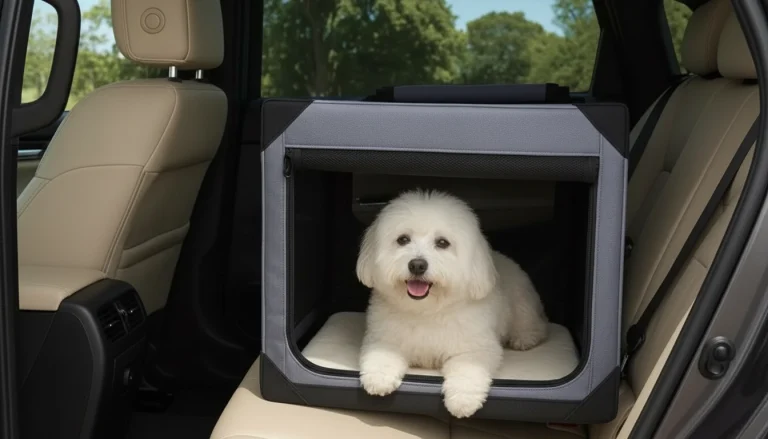
Yes, a dog can travel safely in a crate when the crate is properly sized, secured, ventilated, and used with your dog’s comfort in mind. A travel crate helps limit sudden movement during braking or turns, keeps your dog from distracting the driver, and gives your pet a defined space inside the vehicle. Safety depends on the crate and setup, not just the fact that a crate is being used. For a foldable travel option, review the setup and use details in the Owleys Quick Kennel Foldable Travel Dog Crate guide .
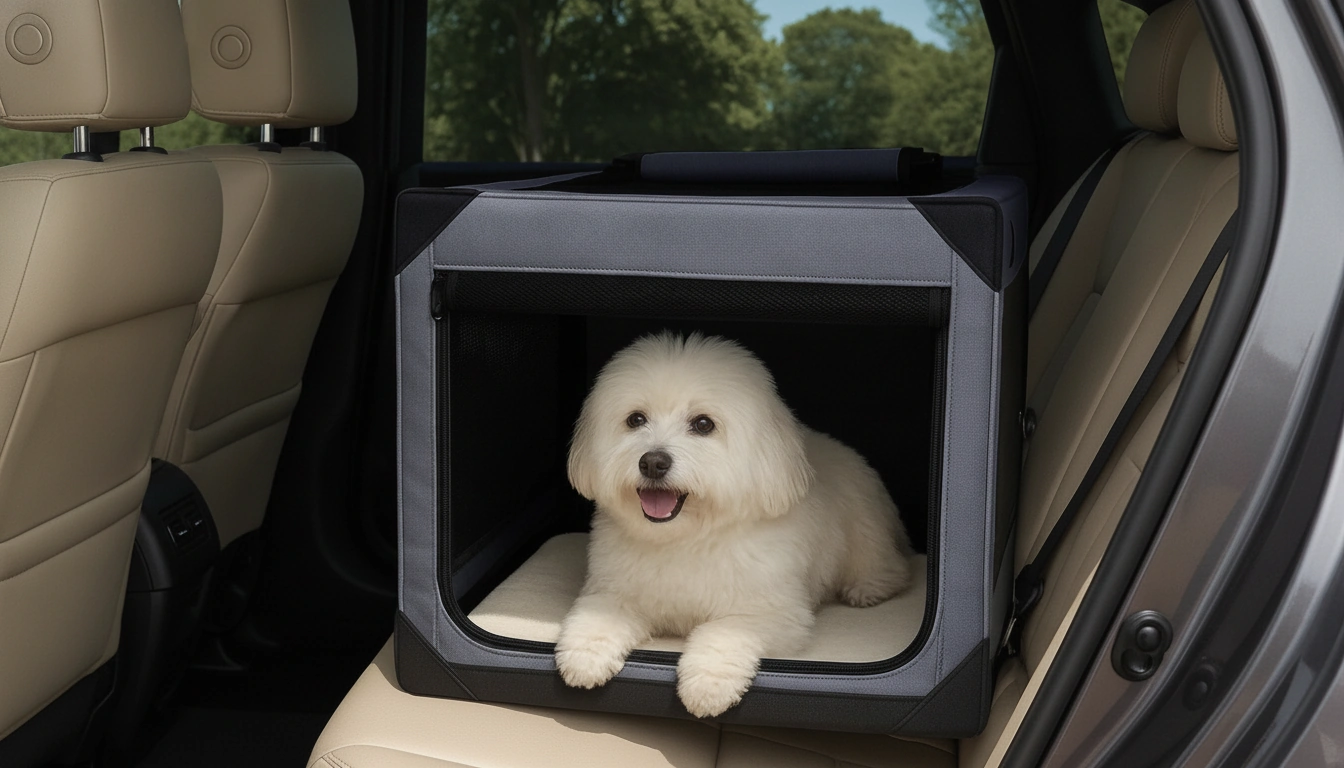
Choose the correct crate size
Your dog should be able to stand up, turn around, and lie down naturally inside the crate. A crate that is too tight can cause stress, while one that is too large may allow your dog to slide around during sudden stops. Before travel, measure your dog from nose to tail base and from the floor to the top of the head or ears, whichever is higher. Compare those measurements with the crate’s interior dimensions, not only the exterior size.
How to use the crate
Secure the crate inside the vehicle
A crate is safest when it stays stable while the car is moving. Place it on a flat cargo area or seat surface where it will not tip, shift, or block the driver’s view. Use available vehicle anchors, seat belts, or compatible straps if the crate design supports them. Avoid placing an unsecured crate on a seat where it can slide forward during hard braking.
Check ventilation and materials
A safe travel crate should allow steady airflow from multiple sides, especially on longer drives or warm days. Mesh panels, vent openings, and breathable construction help reduce heat buildup while still keeping your dog contained. Inspect zippers, seams, frame supports, and fabric before every trip. If any closure is damaged or a panel is torn, repair or replace the crate before using it for car travel.
Add a non-slip, washable base
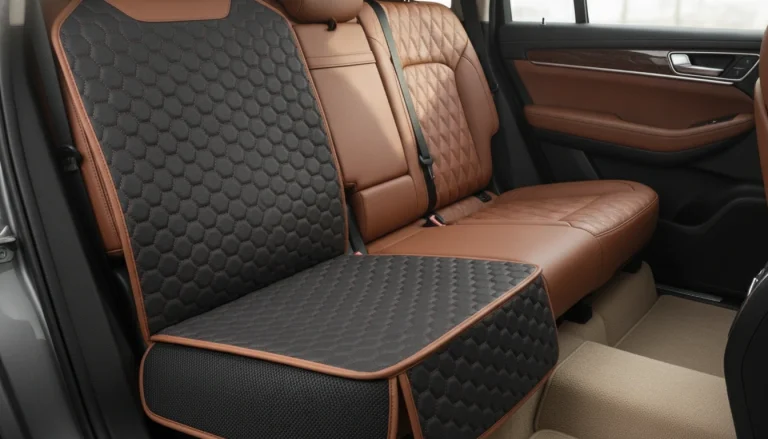
The crate floor should help your dog stay steady when the vehicle turns or stops. A fitted mat, washable pad, or non-slip liner can improve traction and make cleanup easier after muddy walks or road-trip breaks. Choose a base that lies flat and does not bunch under your dog’s paws. Avoid thick loose blankets that can slide, twist, or interfere with the crate door closing securely.
Plan breaks and monitor your dog
Even in a safe crate, dogs need breaks for water, stretching, and bathroom time. For most adult dogs, planned stops every few hours help reduce stress and restlessness. Watch for heavy panting, whining, drooling, repeated scratching, or attempts to escape. If your dog shows these signs, stop safely, check temperature and ventilation, and give your dog time to settle before continuing.
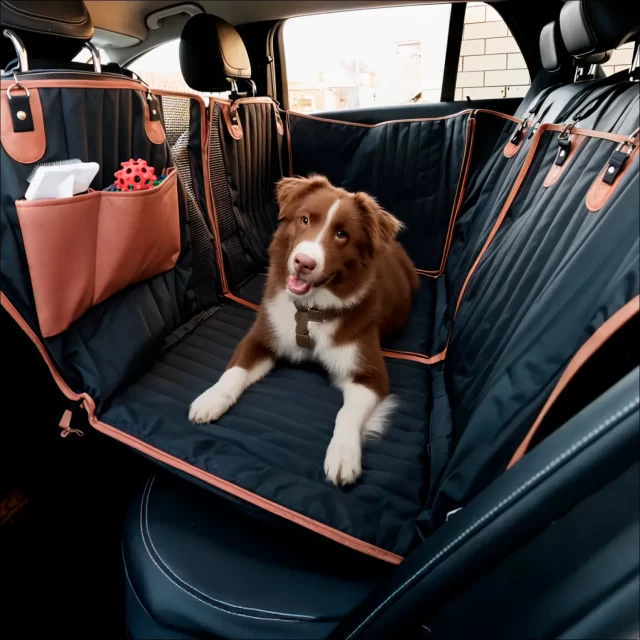
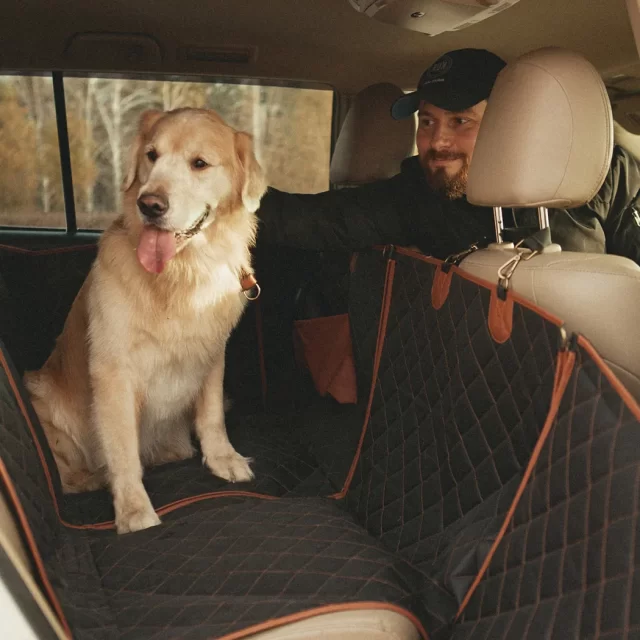
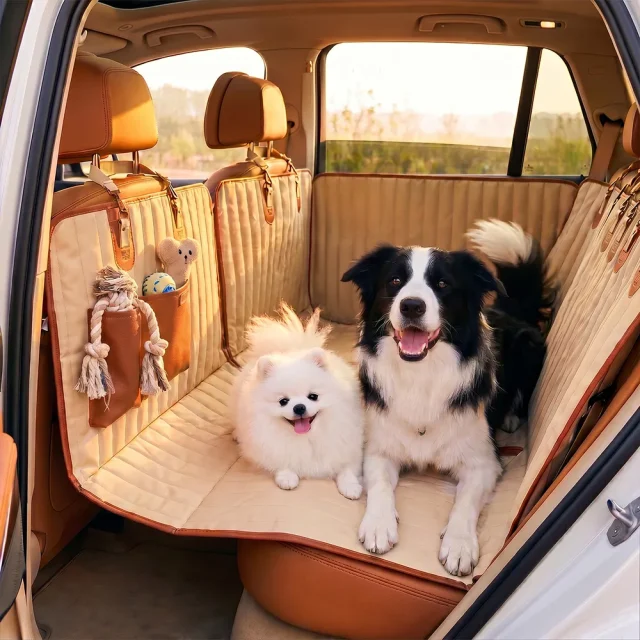
For dog crate travel, the Travel Buddy Mk. II Dog Hammock keeps the back seat covered, so shed dog fur lands on a washable surface instead of the car upholstery, pairing with the crate during everyday use.
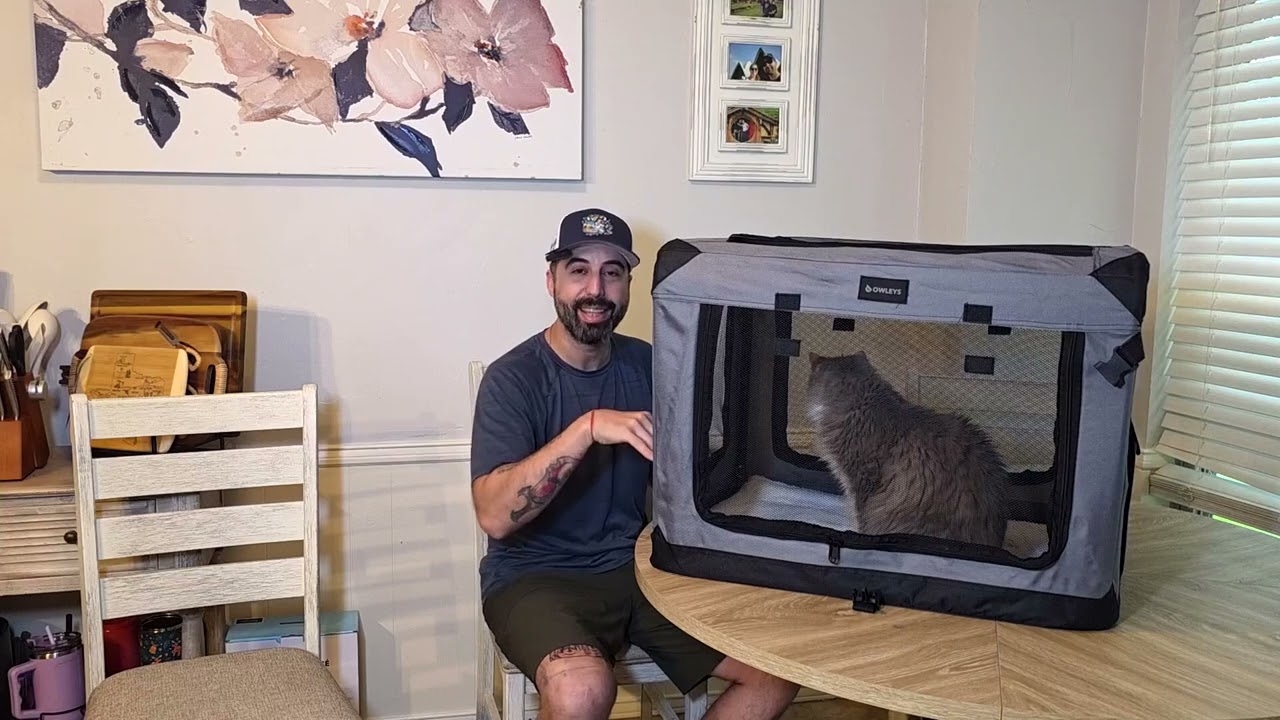
“Sturdy and well-made. It fits my two cats in the car comfortably with plenty of room. They seem to enjoy it! 😻”
For the full product context, see the main Owleys guide.
FAQ
What is the safest product to clean a dog crate with?
Remove the dog and bedding, then clean the crate with mild soap and water or another pet-safe product explicitly allowed by the crate instructions. Rinse away residue and let every crate surface dry fully before replacing the bedding or allowing the dog back inside.
How to transport a dog in a crate?
A travel dog crate is safest when it fits the dog, provides clear ventilation, closes securely, and is restrained against vehicle movement. Check the crate and vehicle instructions before each trip and do not use damaged panels, latches, or anchors.
What is the safest way to travel with a dog?
The safest way for a dog to travel in a car is with a vehicle-appropriate restraint system or a correctly sized crate secured against movement. Choose the setup from the manufacturer’s fit and attachment instructions, keep the dog away from the driver, and never allow unrestrained travel.

Leave a comment