
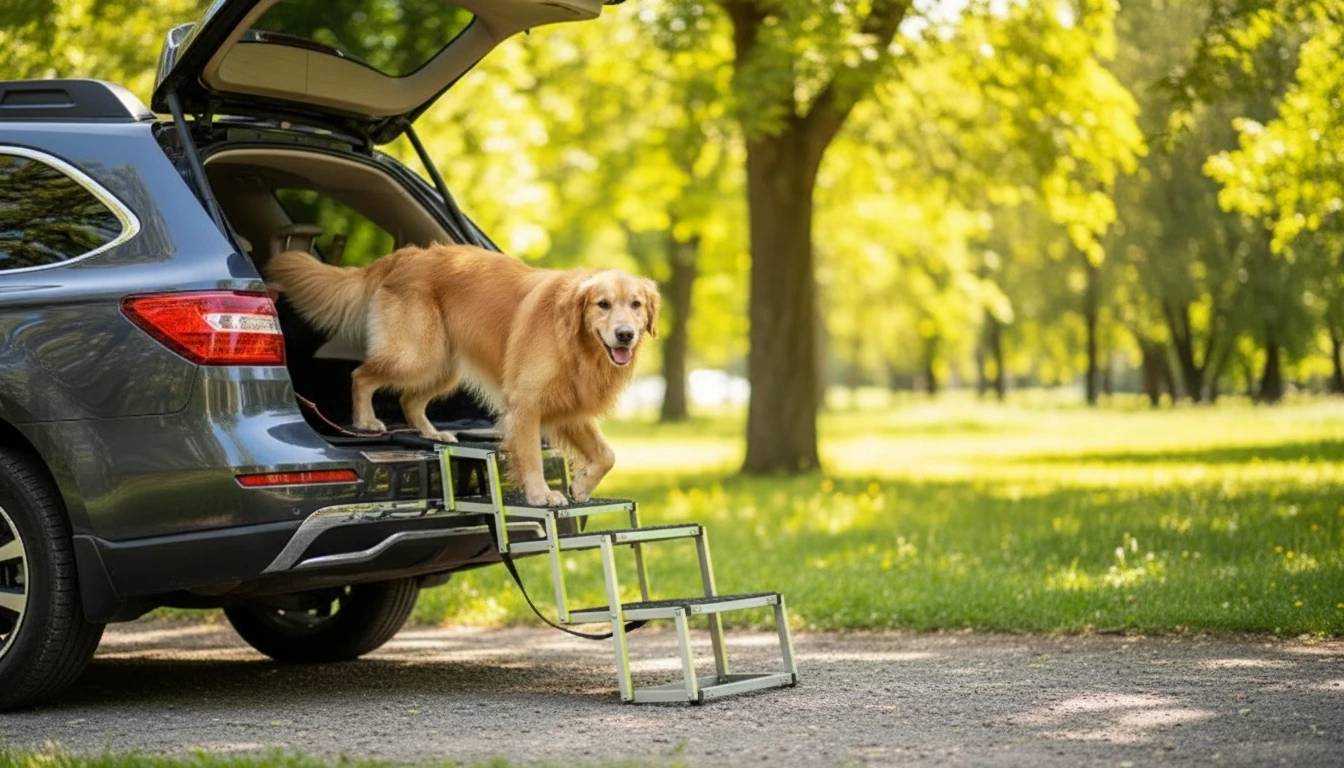
What can I use as a pet ramp?
You can use a purpose-built pet ramp, a folding dog ramp, a carpeted plywood ramp, or a low-rise portable ramp with a non-slip surface. For vehicles, choose a ramp that matches your tailgate height, supports your pet’s weight, and has enough walking width for stable footing.
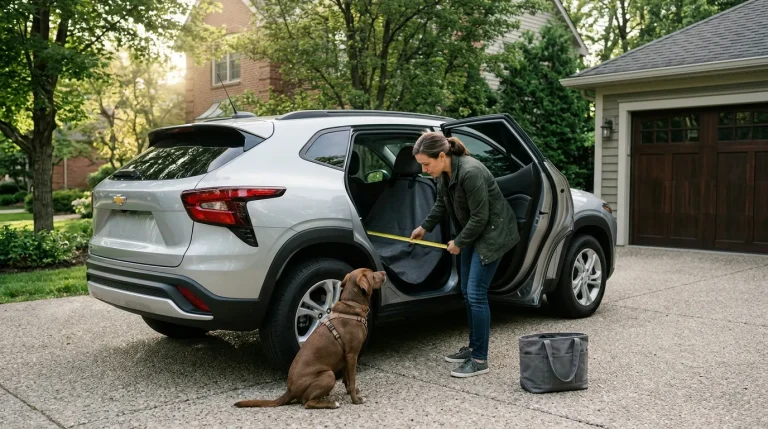
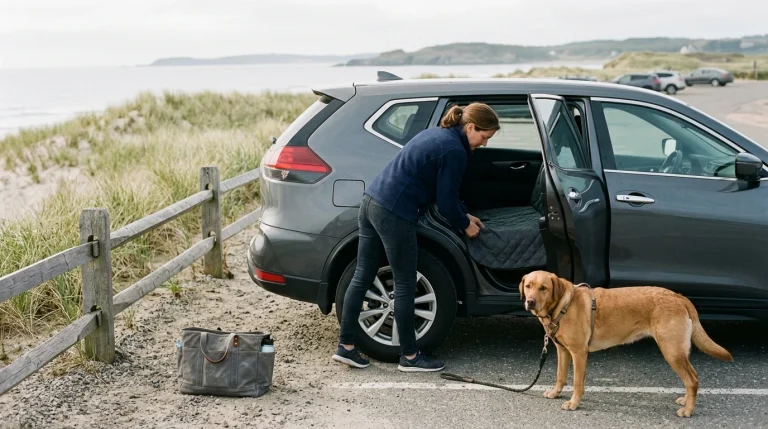
If your dog rides in an SUV or truck, a ramp is usually safer than lifting or jumping, especially for senior pets, puppies, and dogs with joint strain. For more vehicle-specific guidance, see this tailgate car dog ramp guide for safer SUV and truck loading.
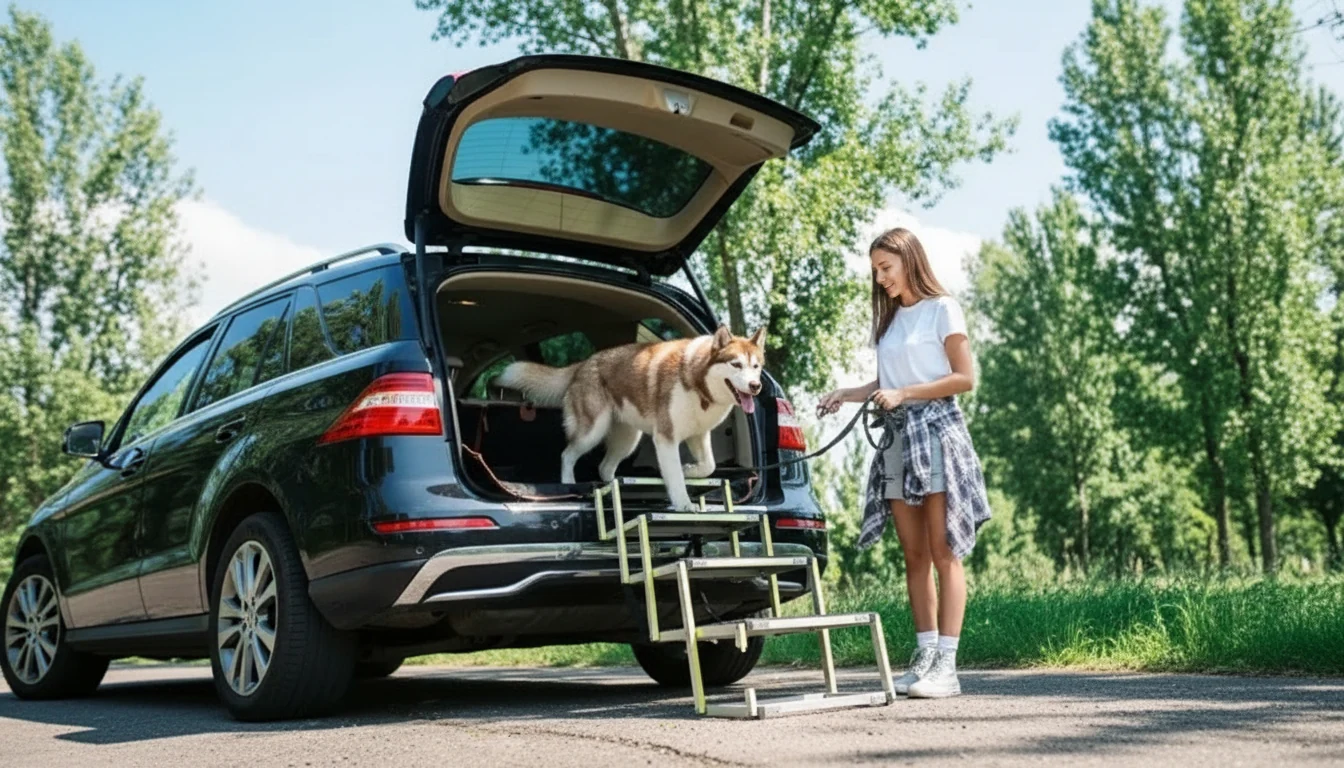
Use a folding vehicle pet ramp
A folding pet ramp is one of the easiest options for cars, SUVs, and trucks because it stores compactly and sets up quickly. Check the ramp’s listed weight capacity, open length, and folded size before buying.
For a tall tailgate, look for a longer ramp because a gentler angle is easier on your dog’s legs. A ramp around 60 to 72 inches long often works better for higher cargo areas than a short indoor-style ramp.
Build a simple plywood ramp
A basic DIY pet ramp can be made with sturdy plywood, 2×4 side supports, outdoor carpet, and screws. Sand the edges, secure the carpet tightly, and add raised side rails if your pet tends to step sideways.
For small dogs, a 12-inch-wide ramp may work indoors, but larger dogs usually need 16 inches or more. Always test the ramp on a low surface first before using it with a vehicle or porch.
Try a carpeted step ramp for indoor use
For couches, beds, or low furniture, a carpeted step ramp can be a practical alternative to a long vehicle ramp. Choose a model with a grippy base so it does not slide on hardwood or tile.
Measure the furniture height before buying and compare it with the ramp’s recommended rise. If your dog has trouble with stairs, choose a smooth incline instead of stepped blocks.
Choose non-slip materials
The best pet ramp surface gives your dog traction even when paws are wet. Rubber matting, marine carpet, textured plastic, and ribbed tread strips are common materials that help reduce slipping.
Avoid slick painted wood or bare plastic unless you add traction tape or carpet. For outdoor use, choose weather-resistant hardware and a surface that can dry quickly after rain.
Check fit, angle, and storage
Before using any pet ramp, place it on a stable surface and make sure the top lip rests securely on the vehicle, porch, or furniture edge. The ramp should not wobble, flex heavily, or shift when your pet steps onto it.
Train your dog slowly with treats, starting on a flat ramp before increasing the incline. If you plan to travel often, choose a lightweight ramp with a handle or a folding design that fits in your cargo area.
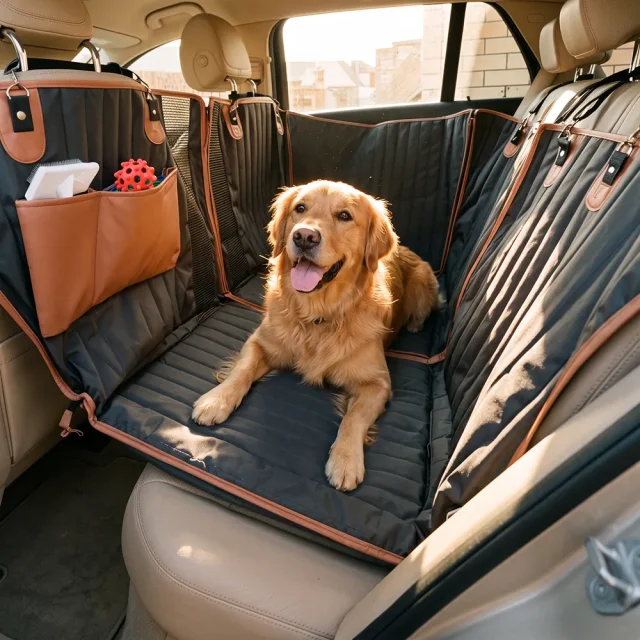
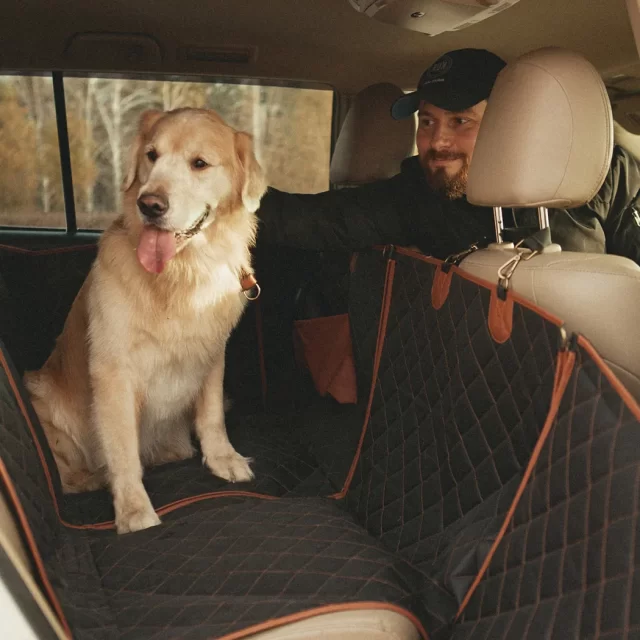
The Travel Buddy Mk. II Dog Hammock works alongside the ramp and keeps the back seat covered, so shed dog fur lands on a washable surface instead of the car upholstery.
How to use the dog ramp
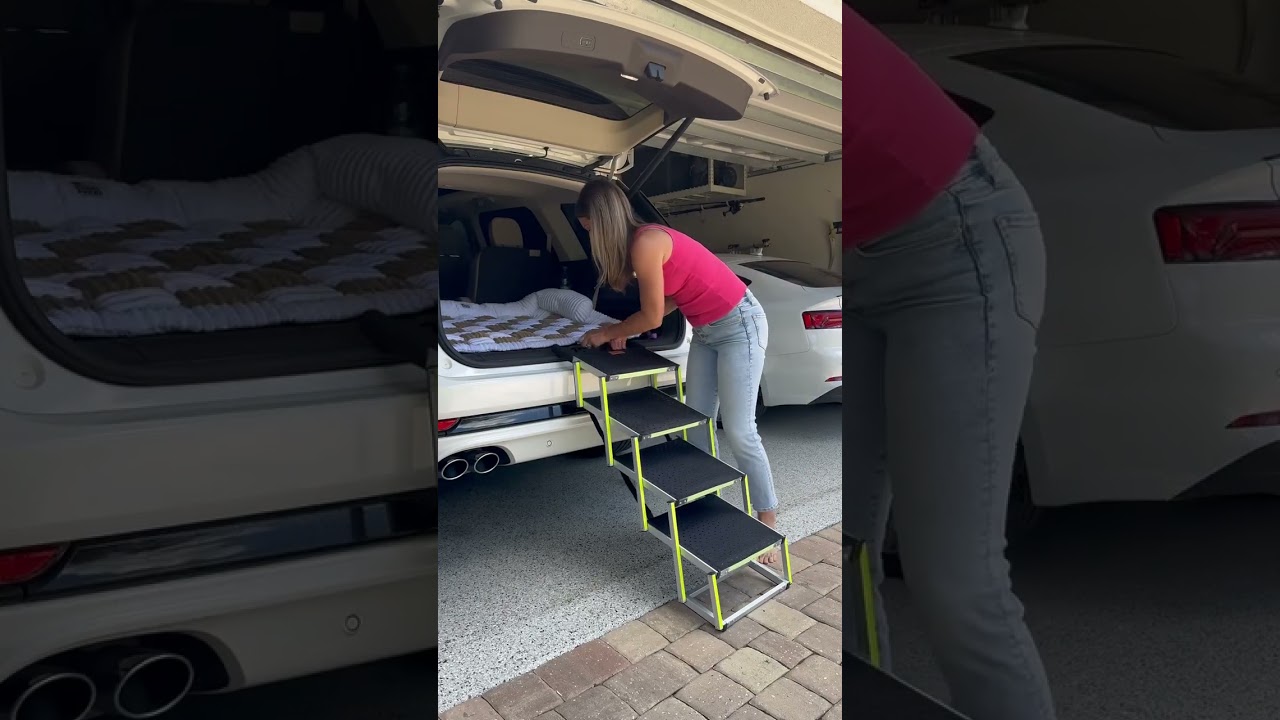
“Works well with my ford explorer, not so much with my compact car. It’s a bit too bulky for smaller vehicles but great for larger ones. My dog feels secure using this car dog ramp, and I appreciate the adjustable features 👏👏”
FAQ
How can I make an inexpensive dog ramp?
You can make an inexpensive dog ramp with plywood, 2×4 supports, screws, and carpet or rubber matting for traction. Keep the incline gentle, add side rails if needed, and test the dog ramp for wobbling before your dog uses it.
What are some alternatives to a dog ramp?
Alternatives to a dog ramp include pet stairs, a low platform step, a lifting harness, or a portable step stool designed for dogs. For vehicles with high cargo areas, a ramp is often easier on joints than stairs or jumping.
How to make an outside dog ramp?
To make an outside dog ramp, use weather-resistant plywood or treated lumber, galvanized screws, and outdoor carpet or rubber traction strips. Seal the wood, create a gentle slope, and make sure the ramp drains well after rain.
What are some good small ramps for dogs?
Good small ramps for dogs are compact, stable, and low enough in incline for easy daily use. For couches, low beds, car doors, and hatchback cargo areas, look for a ramp that matches the height of the surface and gives your dog enough walking length to climb without jumping. A practical starting point is to measure from the floor to the landing point, then choose the longest ramp your space can comfortably fit.

Leave a comment