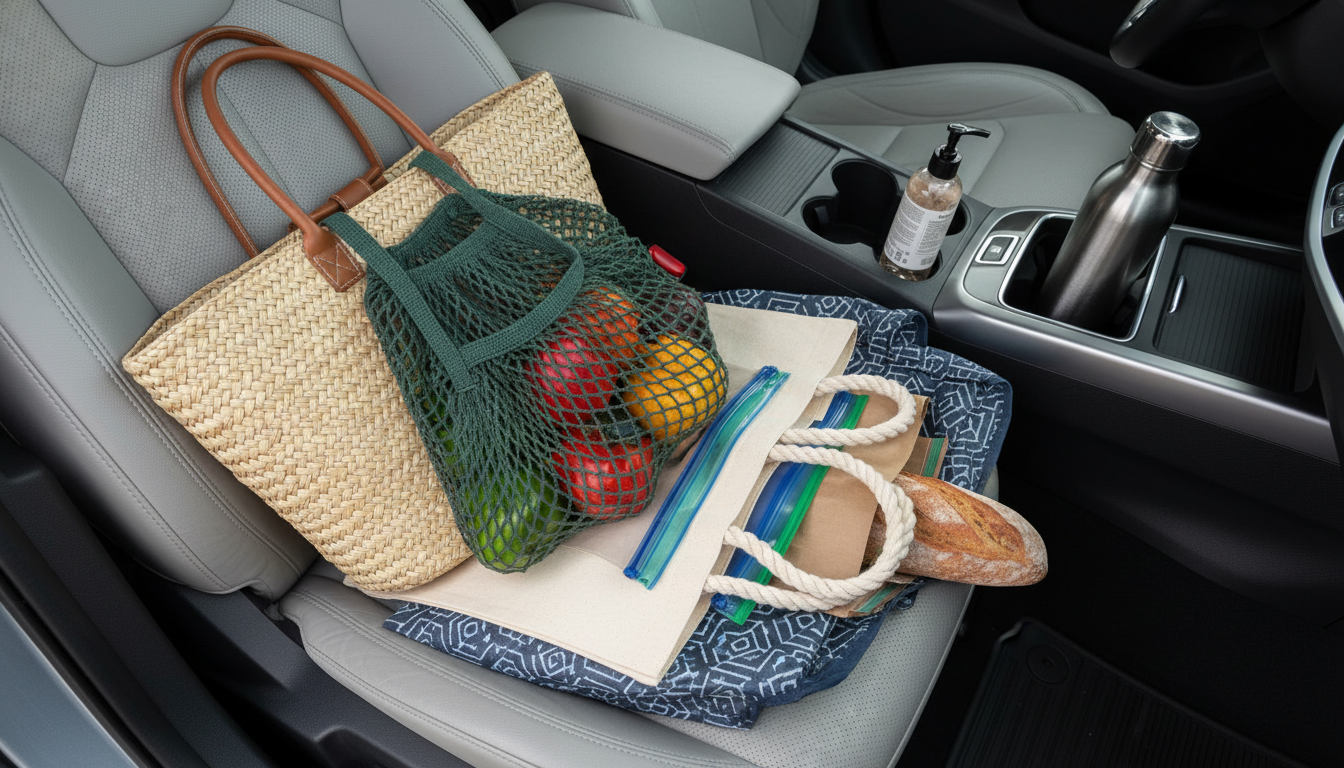
The most eco-friendly shopping bag is the one that gets reused the most—and for most people, that’s a durable, washable reusable bag (often made from recycled materials) used dozens to hundreds of times. In real-world terms, the “best” choice balances low-impact materials with a long lifespan, easy cleaning, and a high likelihood you’ll actually remember to use it.
Paper and compostable plastic bags can sound greener, but they’re typically designed for short lifespans. Paper often requires more energy and water to produce, and it’s bulkier to transport. Compostable bags only deliver their benefits when they’re composted in the right facility; otherwise, they may behave like conventional waste. A sturdy reusable bag can reduce overall resource use simply by replacing many disposable bags over time.
1) Recycled-content reusable totes (rPET or recycled polypropylene)
These bags keep existing plastic in circulation and can be tough enough for years of grocery runs. Look for reinforced handles, thick stitching, and a bag that stands up on its own—signs it’s built to last.
2) Organic cotton or hemp canvas totes (high durability)
Natural fibers can be a solid choice when used heavily for a long time. The key is commitment: the environmental payoff improves the more trips you get out of them. Choose heavier canvas, skip unnecessary coatings, and wash in cold water when needed.
3) “Use what you already have” bags
The most eco-friendly option might be repurposing a tote already at home, an old backpack, or a box. Extending the life of existing items avoids the footprint of manufacturing something new.
Prioritize comfort (wide straps), capacity, and foldability so it’s easy to keep one in a car or daily bag. If you carry meat or produce, pick a bag that can be wiped down or machine-washed. The greenest bag is the one that survives spills, heavy loads, and repeated trips.
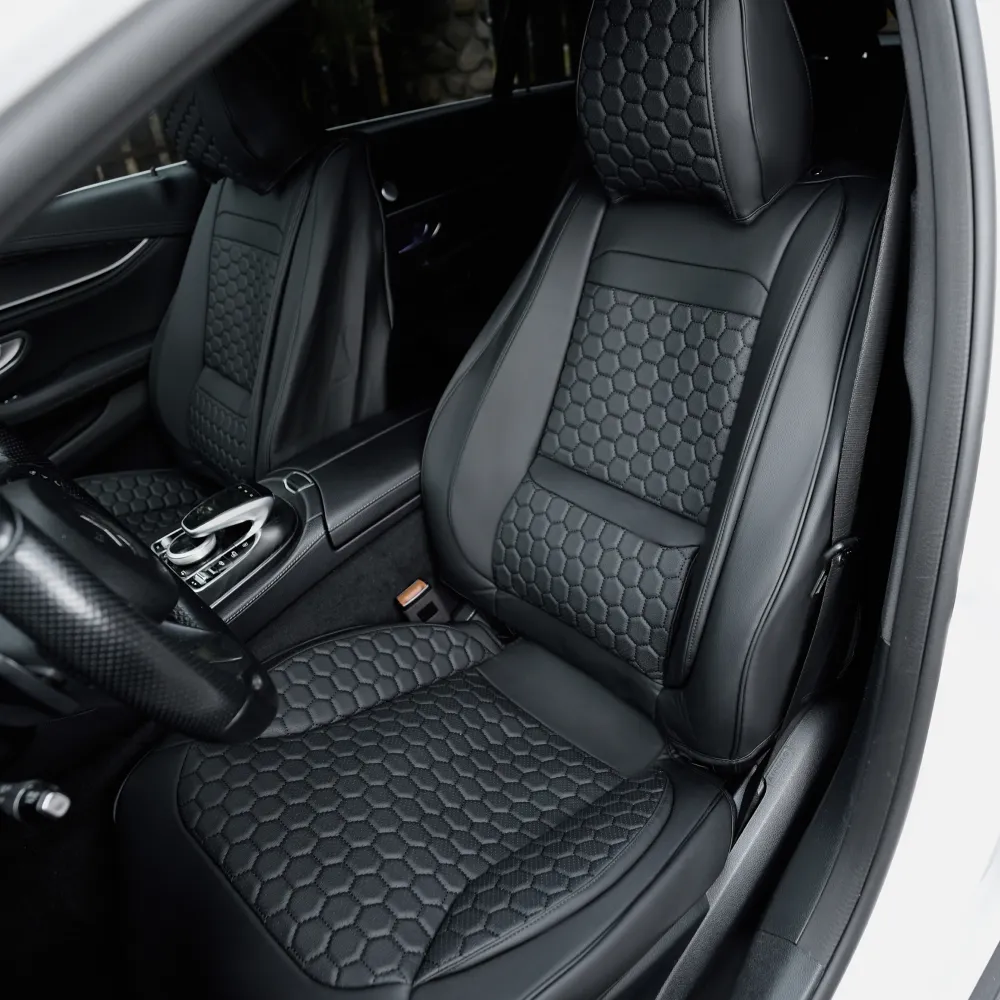
For more material-minded buying guidance—especially if durability and long-term use are priorities—see this related resource: https://owleys.com/guide-harlow-eco-leather-seat-covers-breathable-suede-comfort/.
Not automatically. Paper is often recyclable, but it can require more water and energy to produce and may tear sooner, meaning you might need more bags overall.
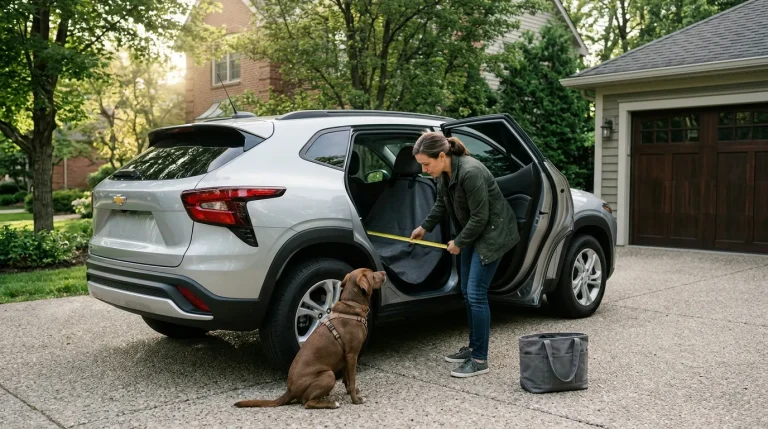
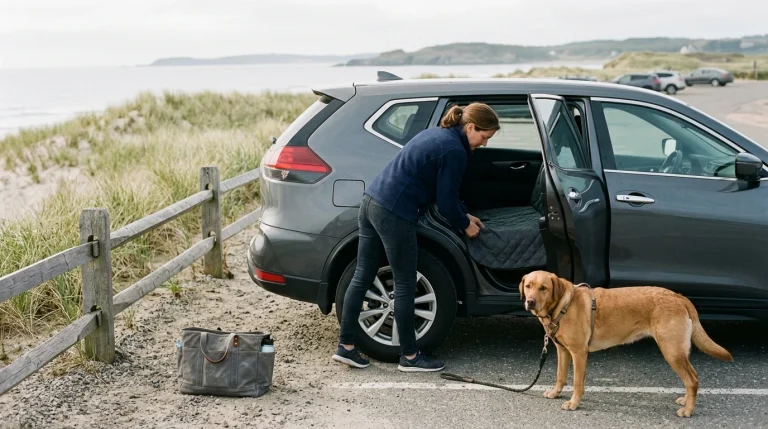
Subscribe for Owleys product launches, fresh car accessories, and exclusive Adventure Club savings up to 30% OFF.

Choose the adventure that speaks to you and receive tailored recommendations from the Owleys Adventure Club.
Get ready for exclusive member discounts, early access to new products, special gifts, and travel inspiration from the Owleys team.
Your guide will arrive within 5 minutes.Please ensure all fields are completed correctly.
error
Leave a comment