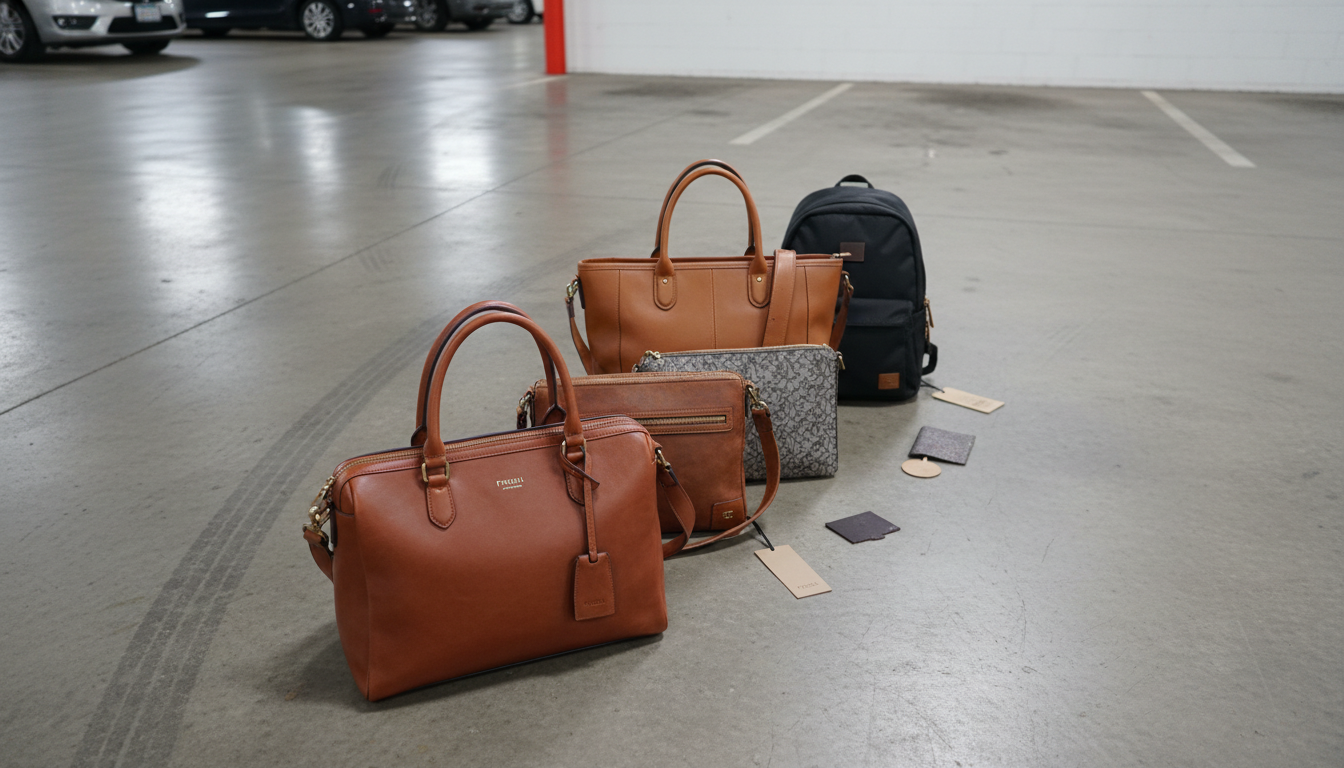
Many Fossil handbags are made with real leather, but not all of them. Fossil produces bags in a mix of materials—commonly genuine leather (including varieties like cowhide), as well as polyurethane (PU), coated fabrics, textiles, and other trims. The exact material depends on the specific style, collection, and sometimes the colorway.
The most reliable way is to check the product details for that exact bag. Look for wording such as “genuine leather,” “100% leather,” “leather,” or a more specific hide description. If you see “PU,” “polyurethane,” “PVC,” “coated canvas,” “manmade,” or “synthetic,” that indicates it’s not full leather (or not leather at all), even if it has a leather-like look.
Brands often use a blend of materials to hit different price points, reduce weight, change the feel (more structured or more flexible), or offer alternatives for shoppers who prefer to avoid animal leather. You may also see leather used for key touchpoints—like straps or trim—paired with coated canvas or other durable fabrics for the body.
“Genuine leather” is real leather, but it’s a broad label rather than a quality grade. Real leather typically develops character over time and can last for years with basic care. That said, finish, thickness, and construction matter just as much as the material label—so checking stitching, edge paint, lining, and hardware is worth it.
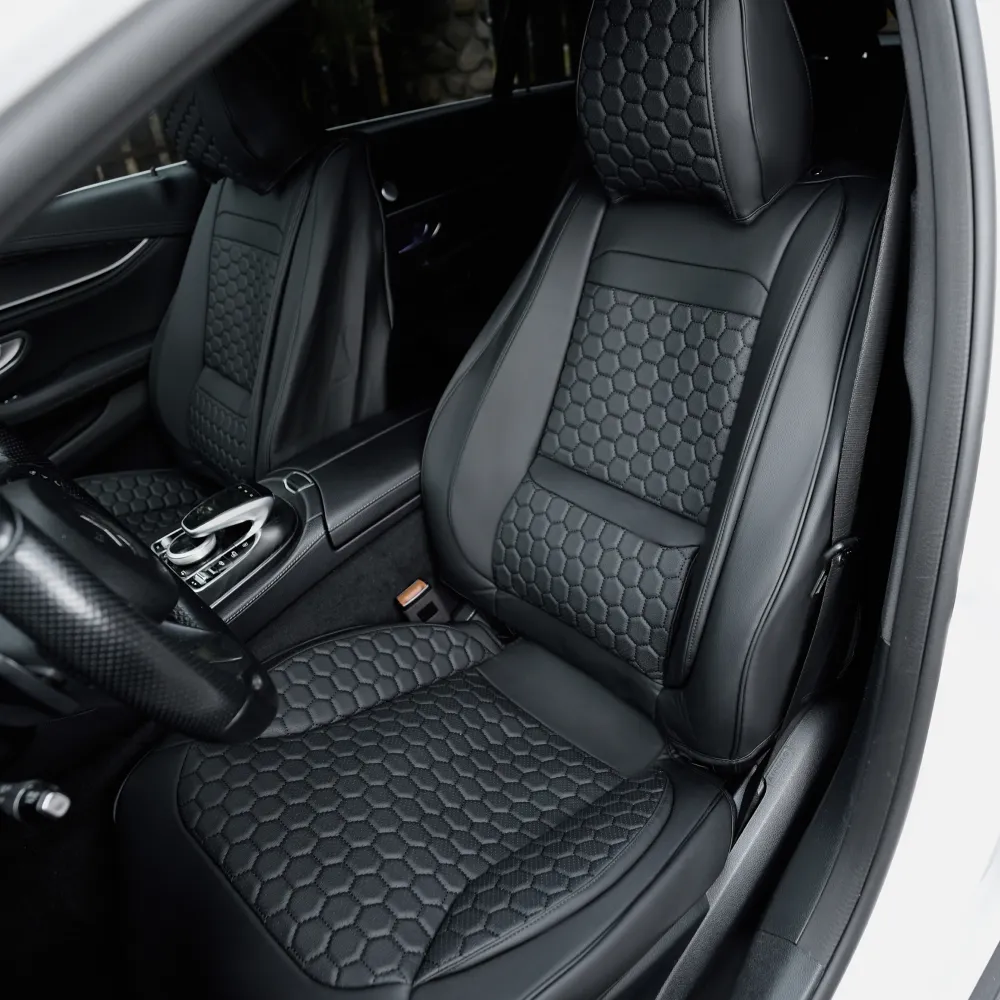
Some shoppers compare traditional leather to leather alternatives marketed as “eco leather.” If you’re curious how leather-like materials can differ in breathability, texture, and upkeep, see this guide: https://owleys.com/guide-harlow-eco-leather-seat-covers-breathable-suede-comfort/.
Wipe it with a soft, dry cloth regularly, keep it away from prolonged heat and moisture, and store it stuffed (with paper) in a dust bag. Use a leather conditioner occasionally, and spot-test any cleaner on an inconspicuous area first.
Subscribe for Owleys product launches, fresh car accessories, and exclusive Adventure Club savings up to 30% OFF.

Choose the adventure that speaks to you and receive tailored recommendations from the Owleys Adventure Club.
Get ready for exclusive member discounts, early access to new products, special gifts, and travel inspiration from the Owleys team.
Your guide will arrive within 5 minutes.Please ensure all fields are completed correctly.
error
Leave a comment