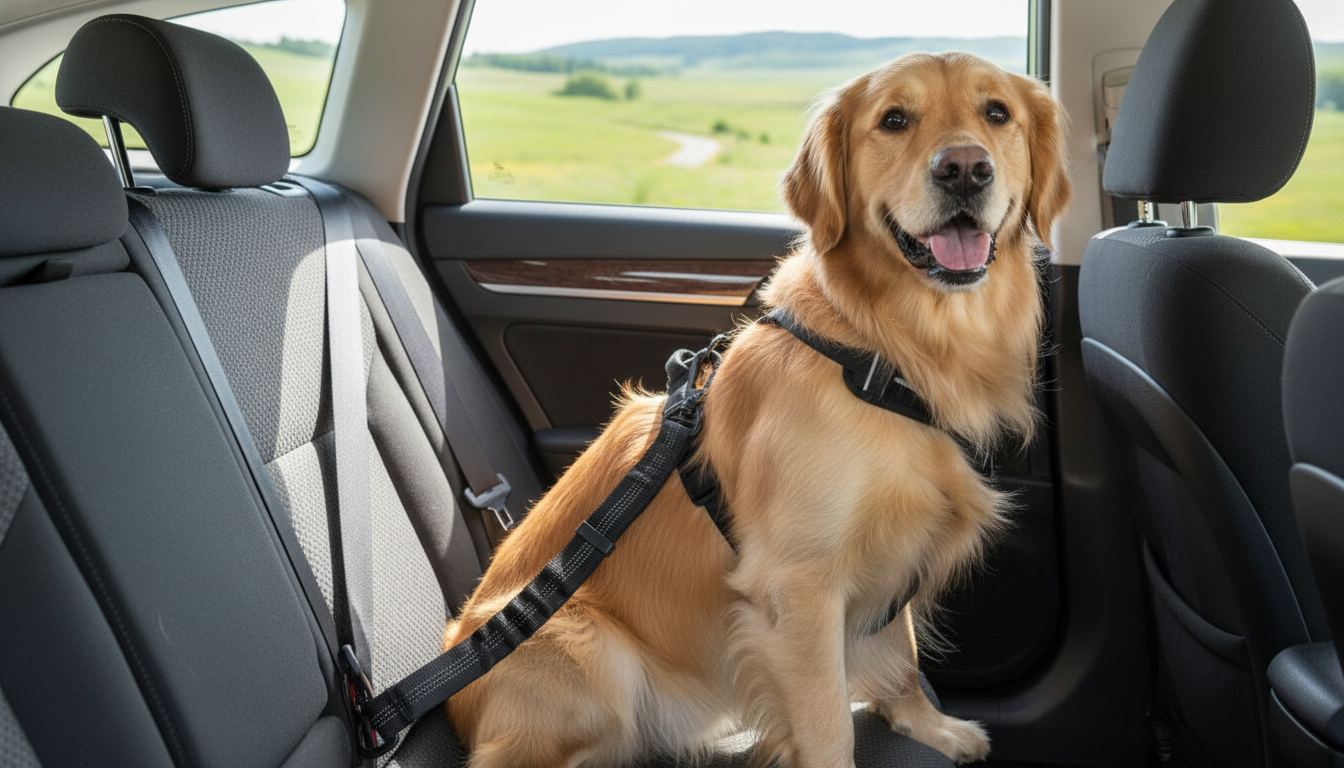
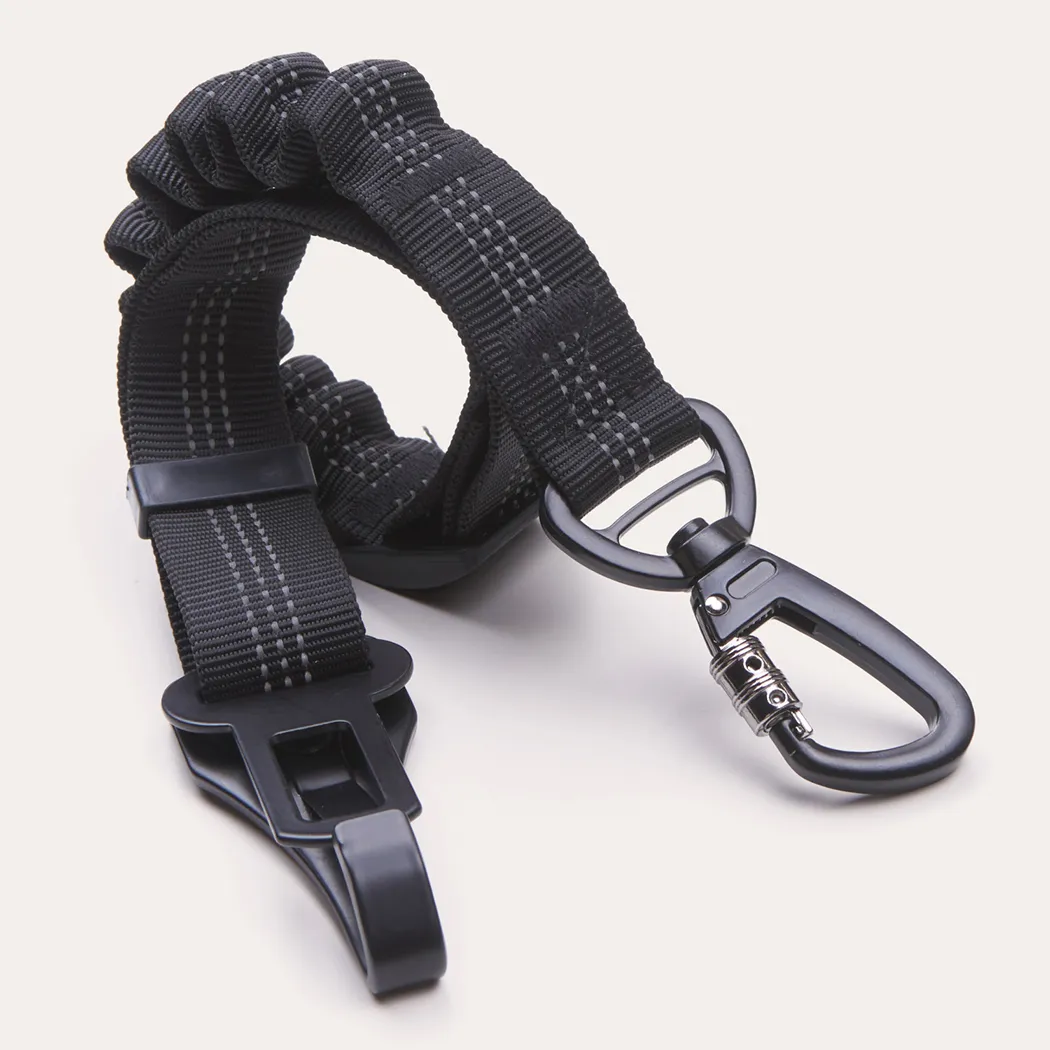
An adjustable dog car seat belt helps keep a dog from roaming, jumping into the front seat, or becoming a projectile during sudden stops. The right setup balances safety, comfort, and easy use—especially for daily errands and longer road trips. With a few smart choices (hardware, fit, and the right attachment point), the restraint becomes something that’s simple to use every single ride.
Think of a seat belt tether as a “movement manager” more than a full containment system. It can keep a curious dog from climbing into the driver’s space, but it can’t stop all shifting in a major impact. For crash-safety guidance and restraint basics, see NHTSA and the testing resources from the Center for Pet Safety.
Small usability details matter. A restraint that’s annoying to clip or constantly twists tends to get skipped on “quick” trips—exactly when sudden braking in traffic is most likely.
| Travel goal | Suggested adjustment | Why it helps | Tip |
|---|---|---|---|
| Prevent front-seat access | Short to medium length | Reduces driver distraction and sudden leaps | Test by having the dog try to step forward while parked |
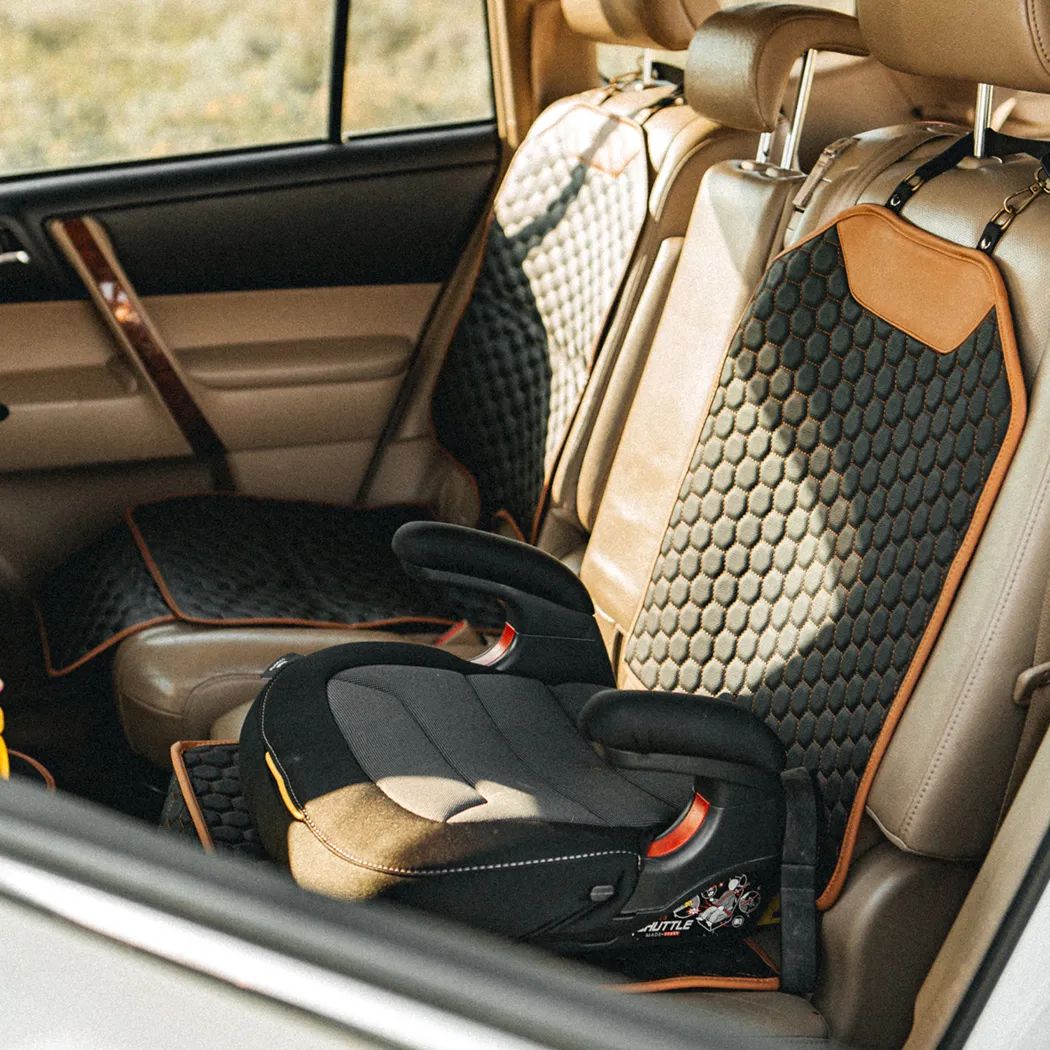
| Allow lying down on the back seat | Medium length | Improves comfort on longer rides | Pair with a back-seat cover for traction |
| Minimize tangles for active dogs | Shorter setting | Less strap to twist and wrap around legs | Use a harness with a centered back D-ring |
| Multiple dogs in one row | Individually fitted, shorter settings | Prevents crossing lines and crowding | Seat dogs apart and anchor belts separately |
If a dog pulls to greet a passerby or shifts suddenly when a car door opens, a harness also helps prevent that “snap back” moment that can happen with a collar connection.
For routine trips, buckle-style attachments are popular because they’re fast and familiar. For longer rides, the best setup is the one that stays untangled and keeps the dog in a consistent, comfortable spot.
For additional travel planning basics (breaks, hydration, acclimating anxious pets), the ASPCA’s traveling with pets guidance is a helpful reference.
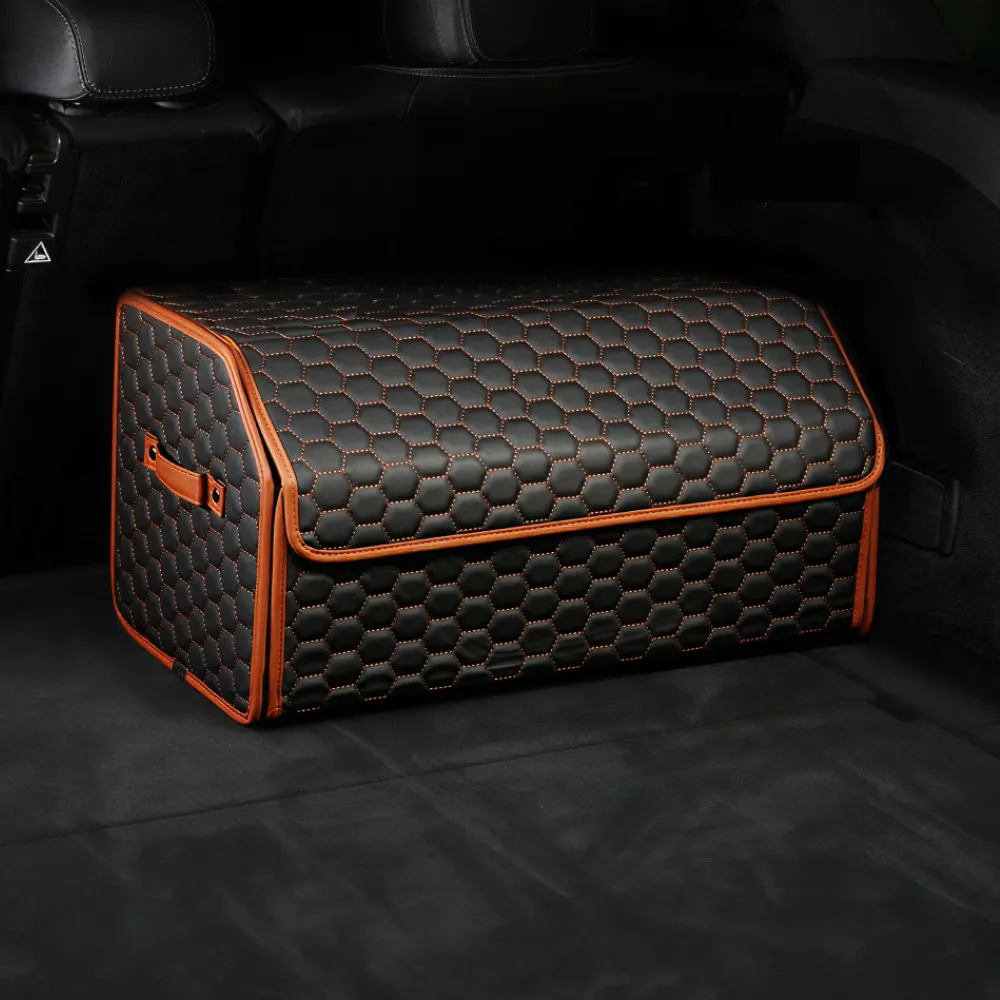
For a straightforward setup, see Dog Car Seat Belt | “Clipper” by Owleys. To keep essentials from sliding around the cabin, add Car Back Of Seat Organizer | “Hexy” by Owleys, and for leashes, towels, and cleanup kits in the cargo area, consider Car Trunk Organizer | 17.7 in – “Hexy” by Owleys.
It can, but a harness is the safer choice because it spreads force across the chest and torso instead of concentrating it on the neck. Clip the tether to the harness’s back attachment point unless the harness instructions specify a different connection.
Set it so the dog can sit and lie down naturally, but cannot reach the driver area. Test the length while parked, then re-check after the first ride since straps can settle and adjustments may shift.
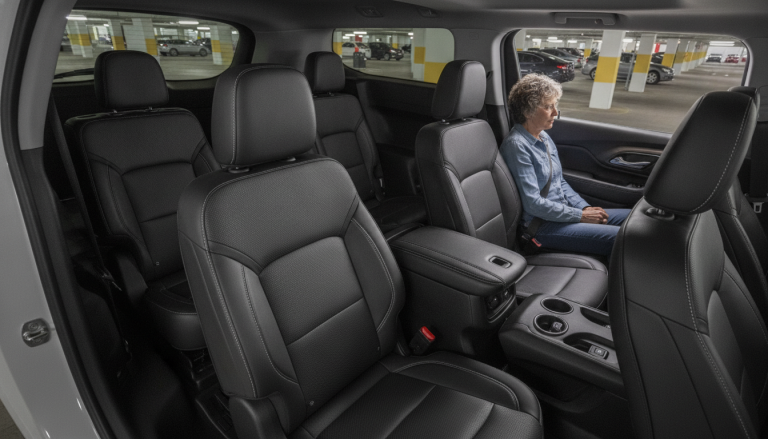
The back seat is generally safer when available, because airbags and driver distraction risks are higher in the front. A restraint reduces movement, but it doesn’t eliminate the hazards of front-seat placement.
Become part of the Owleys Adventure Club and enjoy special offers, expert tips, and exclusive member benefits.
Choose the adventure that speaks to you and receive tailored recommendations from the Owleys Adventure Club.
Get ready for exclusive member discounts, early access to new products, special gifts, and travel inspiration from the Owleys team.
Your guide will arrive within 5 minutes.Please ensure all fields are completed correctly.
error
Leave a comment