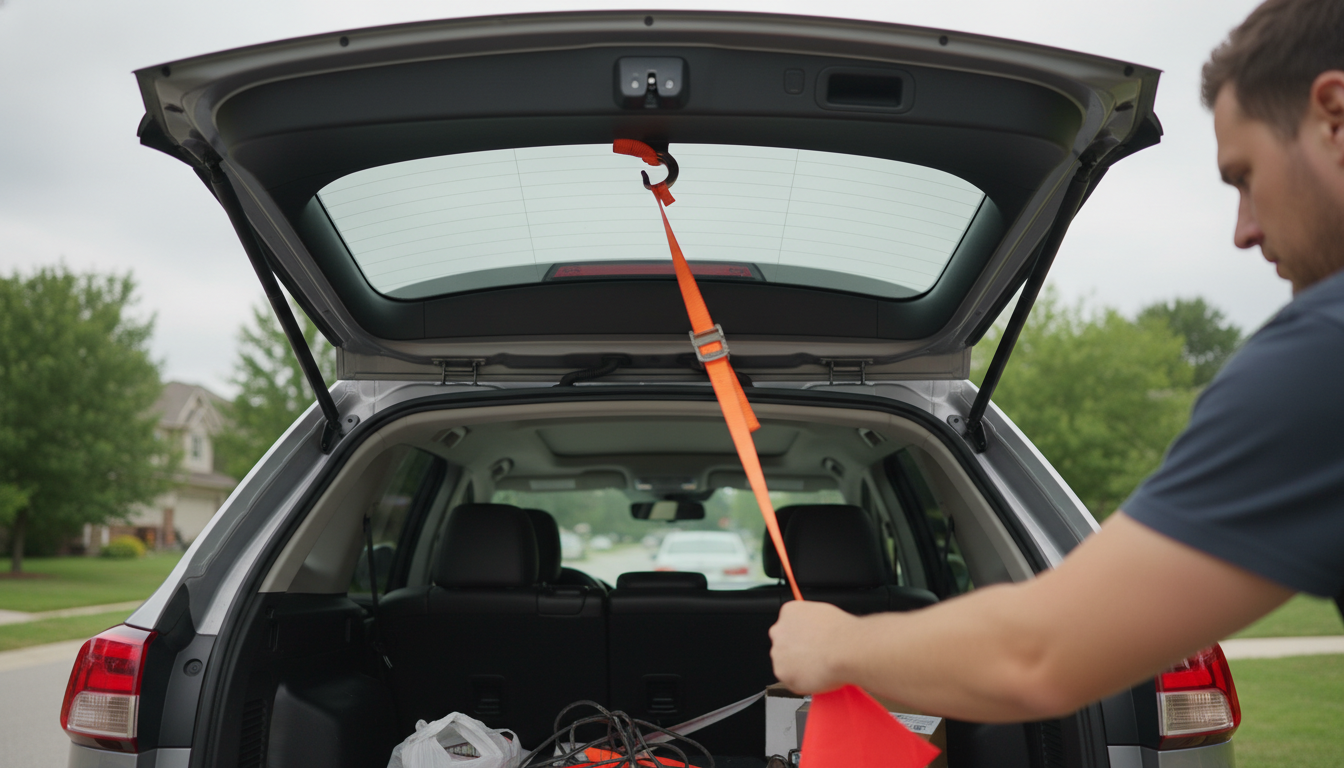
It can be legal to drive with an SUV’s rear hatch/trunk open, but it depends on where you’re driving and whether the open hatch creates a safety hazard. Most states focus on two things: (1) whether your load is properly secured so nothing can fall or slide out, and (2) whether the open hatch blocks your view, covers your license plate, or makes your lights/reflectors hard to see.
Even where it isn’t specifically banned, an officer can still cite a driver under broader “unsafe load,” “obstructed view,” or “equipment visibility” rules if the situation looks risky. Practical tip: if you must drive with the hatch open, keep the load low, strap it down tightly, and double-check that your brake lights, turn signals, and plate remain visible.
An open trunk/hatch is more likely to be considered illegal (or to earn a ticket) when any of the following happens:
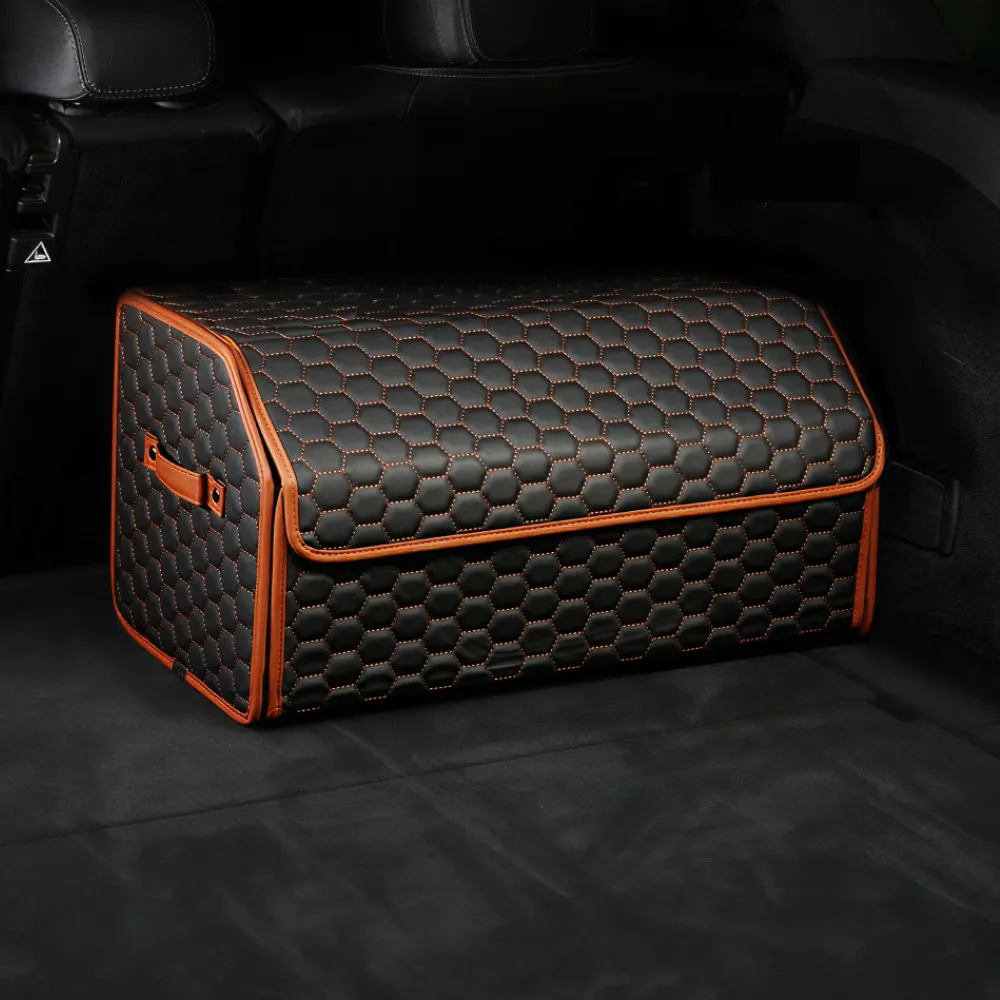
If your hatch won’t close because loose gear is taking up space, reorganizing often solves the issue without driving with the trunk open. A foldable organizer can keep smaller items contained so larger items fit more efficiently. For ideas on structuring your cargo area, see this trunk organizer guide.
If you regularly need extra room, consider a hitch cargo carrier or roof box, and always follow your vehicle’s load limits.
It may be allowed if the load is secured and the open hatch doesn’t create a hazard, but you can still be cited under “unsafe load” or visibility rules. Make sure nothing can fall out and your plate and lights remain visible.
Sometimes, yes, but only when it’s safe and compliant with local rules on secure cargo and visibility. If it looks dangerous or blocks your plate/lights, it’s likely ticketable.
Not always by itself, but it can become illegal when it causes unsafe conditions, blocks visibility, or hides required equipment like lights or the license plate.
Subscribe for Owleys product launches, fresh car accessories, and exclusive Adventure Club savings up to 30% OFF.

Choose the adventure that speaks to you and receive tailored recommendations from the Owleys Adventure Club.
Get ready for exclusive member discounts, early access to new products, special gifts, and travel inspiration from the Owleys team.
Your guide will arrive within 5 minutes.Please ensure all fields are completed correctly.
error
Leave a comment