
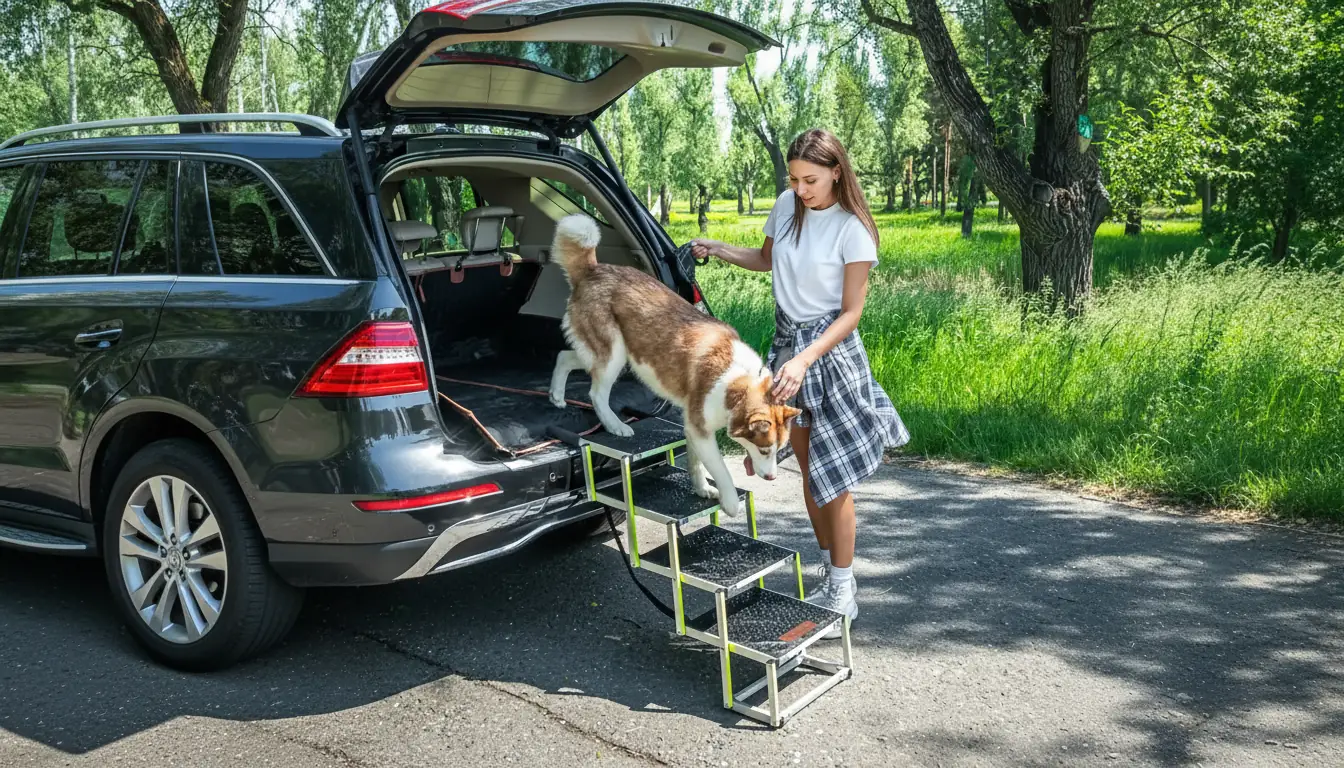
Measure the space and plan the slope
Measure from the floor or ground to the surface your dog needs to reach, and measure the available floor space so the ramp will not block a walkway or extend into traffic. A longer ramp makes the climb less steep, which can matter especially for a small dog that hesitates on an incline or has trouble stepping up.
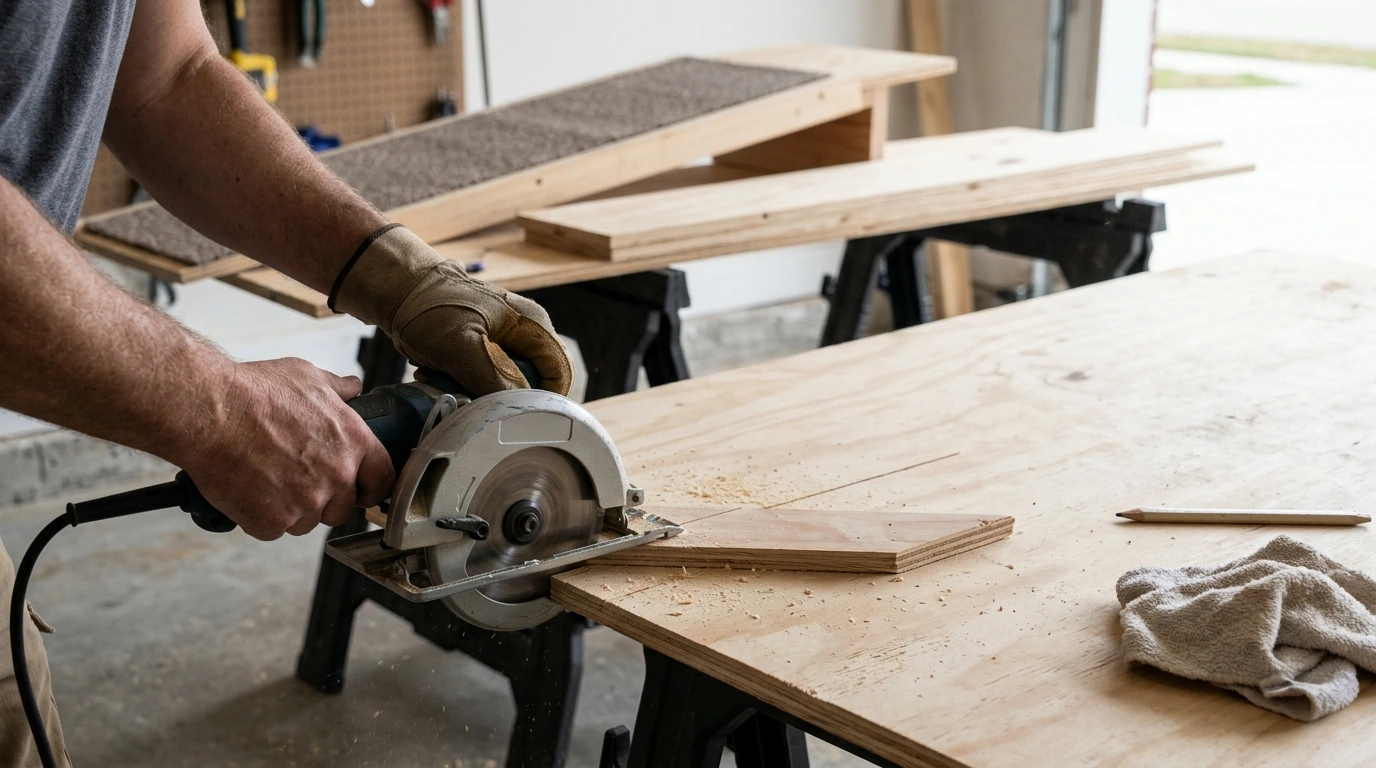
How to use the dog ramp
Choose sturdy materials and add traction
Use a rigid board wide enough for your dog to walk without feeling crowded, support it so it does not flex, and sand any rough edges before use. Secure low-profile carpet or another grippy surface to the walking area; avoid loose fabric that could bunch up or slippery finishes that make your dog’s paws slide.
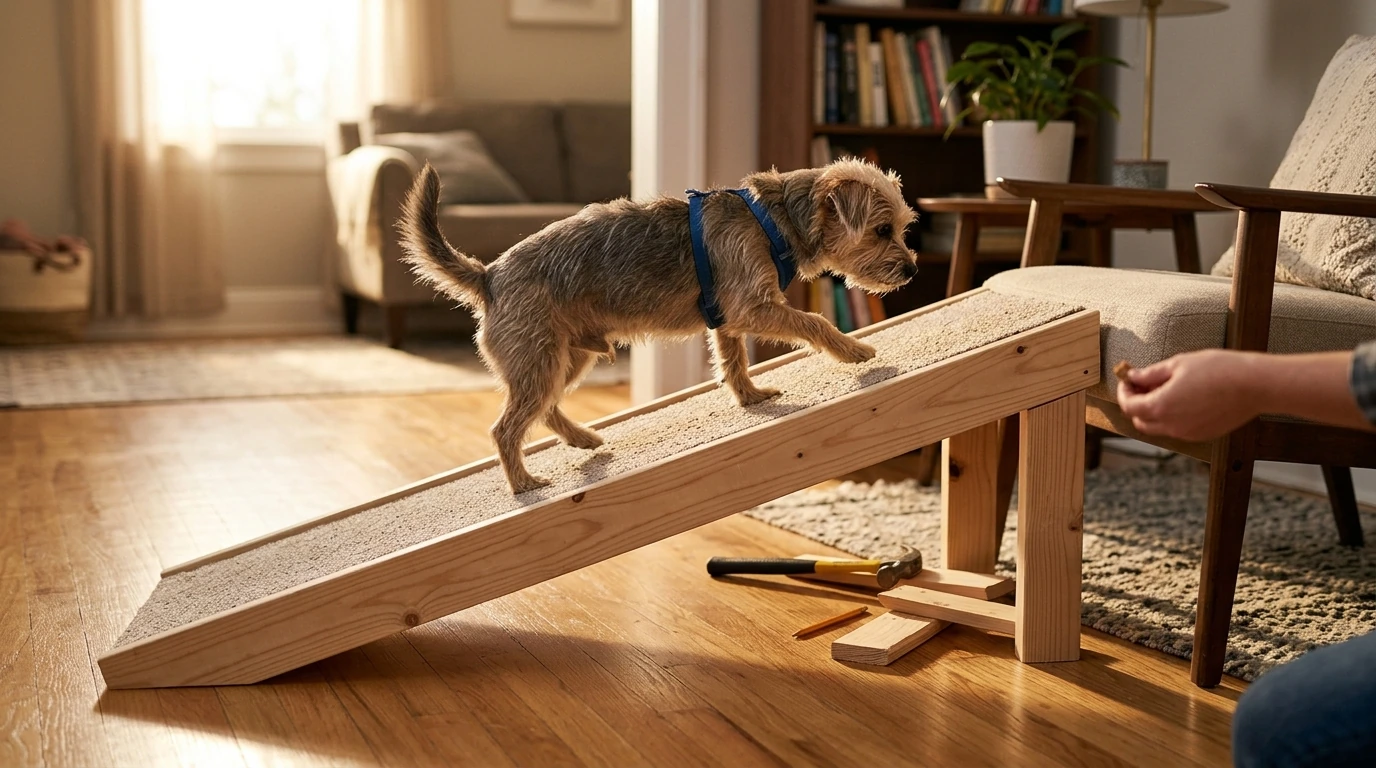
Keep the ramp steady at both ends
Build or attach a stable support for the upper end, and add a nonslip material underneath so the lower end cannot skid when your dog steps on it. Before inviting your dog onto the ramp, press along its length to test for wobble, confirm that fasteners are not exposed, and make sure the top meets the destination without a gap your dog could catch a paw in.
Introduce the ramp gradually
Start with the ramp nearly flat, reward your dog for exploring it, and increase the incline only after they walk across confidently without rushing. For vehicle loading, measure the cargo-floor or tailgate height and the space behind your vehicle before deciding whether to build a ramp; our guide to dog ramps for SUVs and trucks covers that situation, and our Tailgate Car Dog Ramp is another option to consider if you would rather not build one.
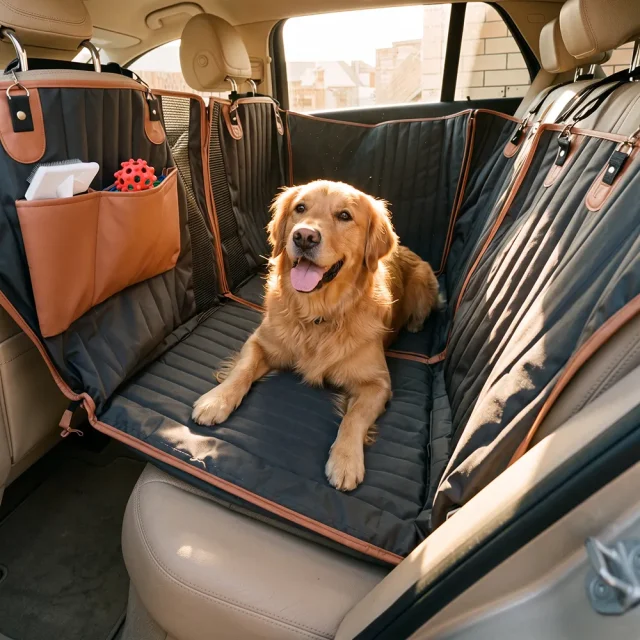
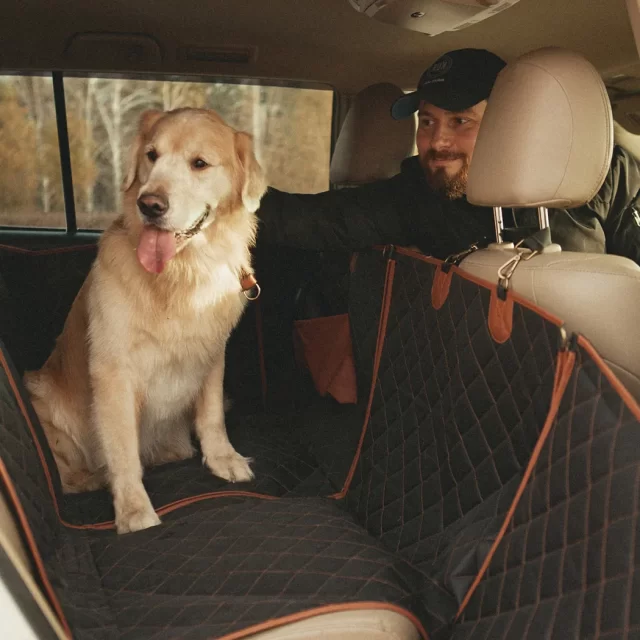
The Travel Buddy Mk. II Dog Hammock keeps the back seat covered, so shed dog fur lands on a washable surface instead of the car upholstery, pairing with the ramp during everyday use.
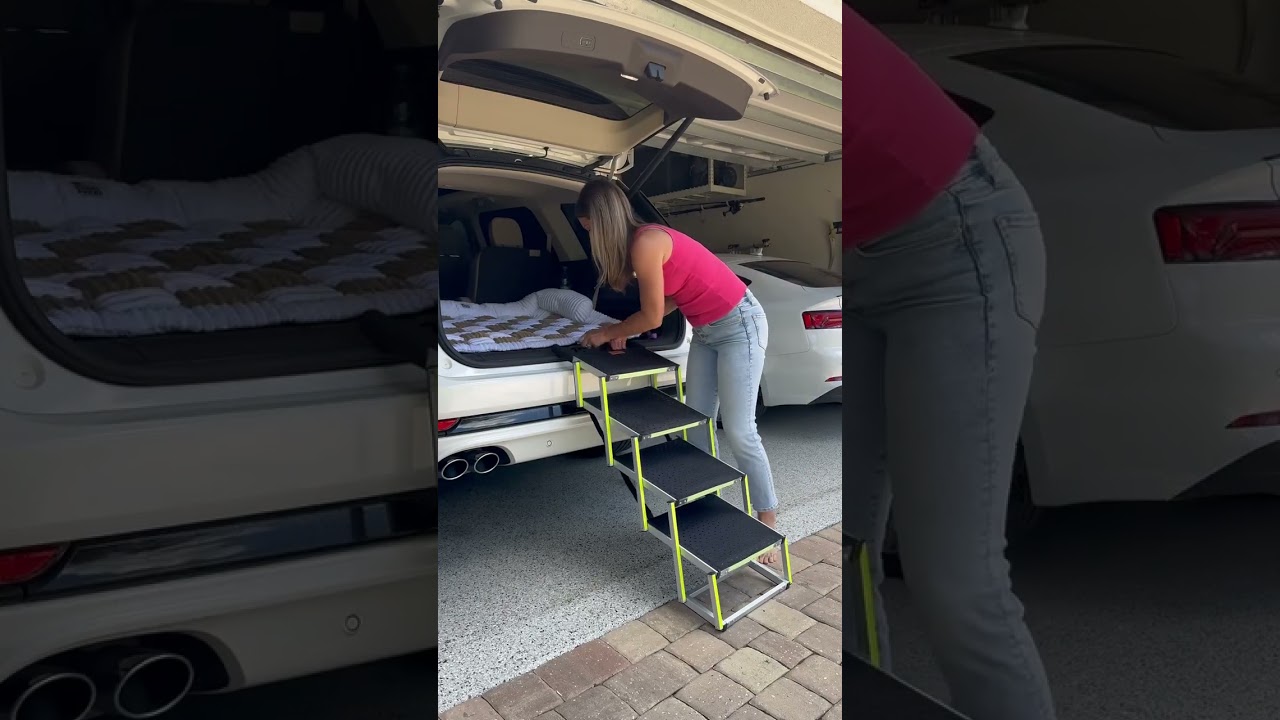
“Great car ramp!!!! It’s compact and easy to store in my sedan’s trunk. The anti-slip surface is excellent for rainy days, ensuring my dogs can climb safely!!!!”
FAQ
How can I make a small dog ramp myself?
Cut a sturdy board to fit your available space, smooth its edges, and firmly attach a grippy walking surface. Support and secure both ends, then test the ramp for slipping or flexing before your dog uses it.

Leave a comment