

Is a ramp easier than stairs for dogs?
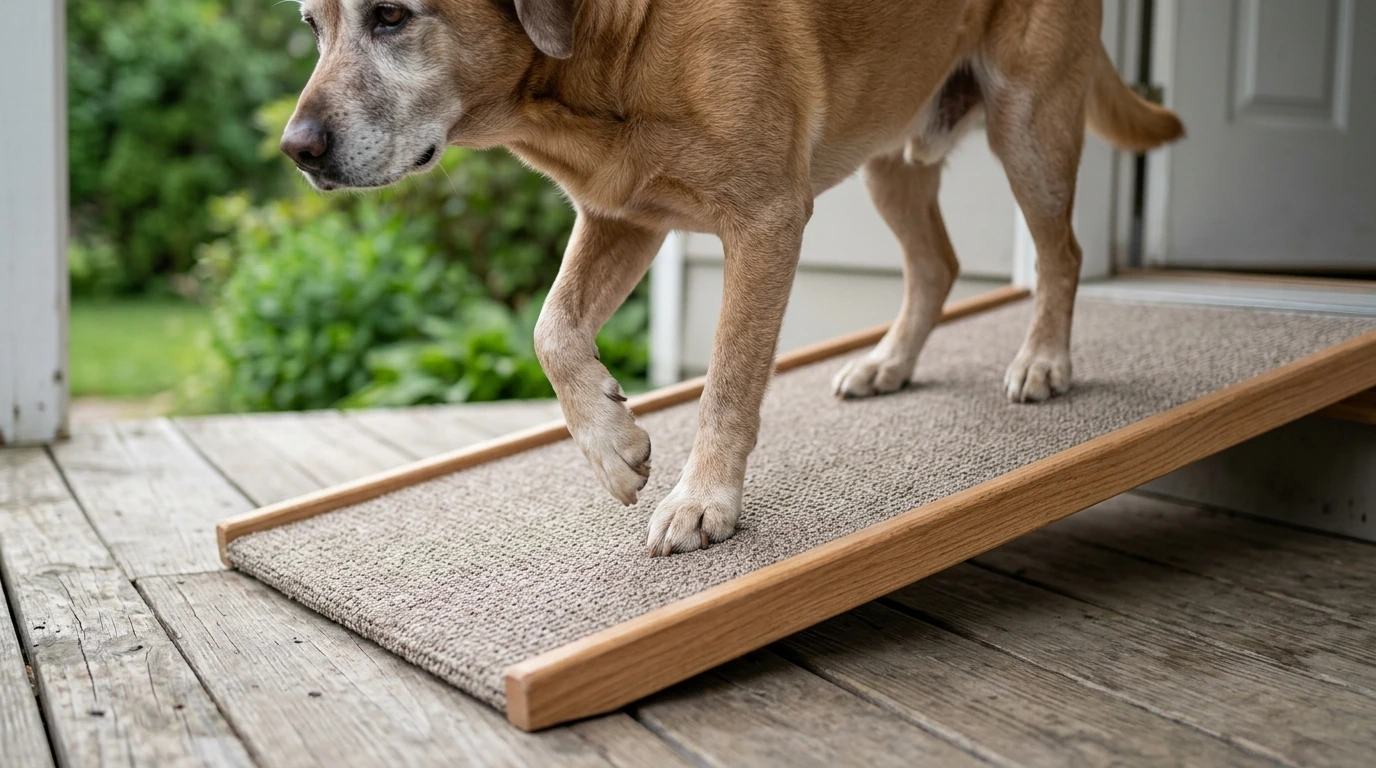
Yes, a ramp is often easier than stairs for dogs because it lets them move on a gradual incline instead of lifting their legs repeatedly. This is especially helpful for senior dogs, small breeds, puppies, and dogs with joint, back, or hip sensitivity.
For car loading, choose a ramp with a non-slip walking surface, stable side edges, and a weight rating that comfortably exceeds your dog’s weight. For SUVs and trucks, check that the ramp length creates a manageable angle before your dog uses it.
Why ramps can be gentler on joints
Stairs require repeated stepping, bending, and pushing from the shoulders, elbows, hips, and knees. A ramp spreads the effort over a longer path, which can reduce impact when a dog enters a vehicle or climbs onto a raised surface.
A practical target is a lower incline whenever possible: longer ramps usually feel easier than short, steep ones. Place the ramp on firm, level ground and make sure both ends are fully supported before each use.
When stairs may still work well
Stairs can be fine for healthy, confident dogs that already use steps without hesitation. They may also fit better in tight indoor spaces where a ramp would be too long or awkward to position.
Look for wide, deep steps with a grippy covering rather than slick plastic or bare wood. If your dog pauses, jumps off, or skips steps, switch to a ramp or train with a lower setup first.
What to check for SUV and truck loading
Vehicle height matters because a tall tailgate can make a short ramp too steep. Before buying, measure from the ground to the cargo floor or tailgate edge, then compare that height with the ramp’s open length.
For larger vehicles, a longer folding or telescoping ramp is usually more comfortable. You can review more ramp safety tips in the Owleys guide to tailgate car dog ramps for safer SUV and truck loading.
How to help your dog use a ramp
Start with the ramp flat on the ground so your dog can walk across it without pressure. Use treats, a leash for guidance, and calm praise, then gradually raise the ramp to a low height.
Never drag or force your dog onto the ramp, because that can create fear and slipping. Keep sessions short, check that the surface is dry, and stand beside your dog until they move steadily both up and down.
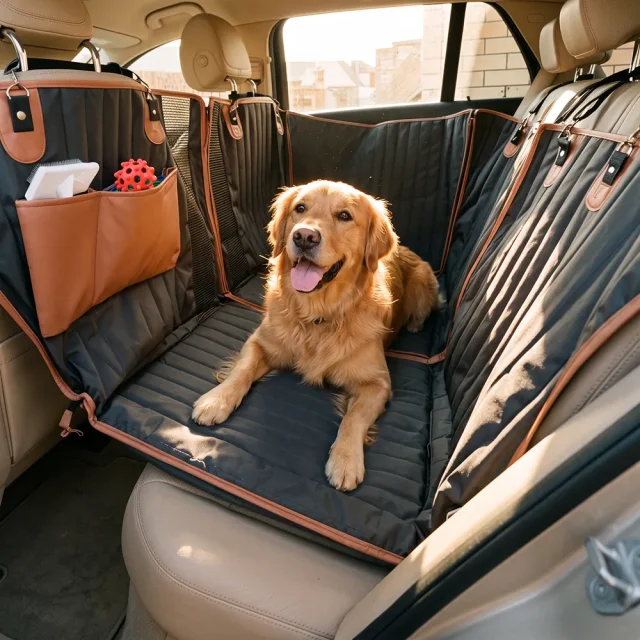
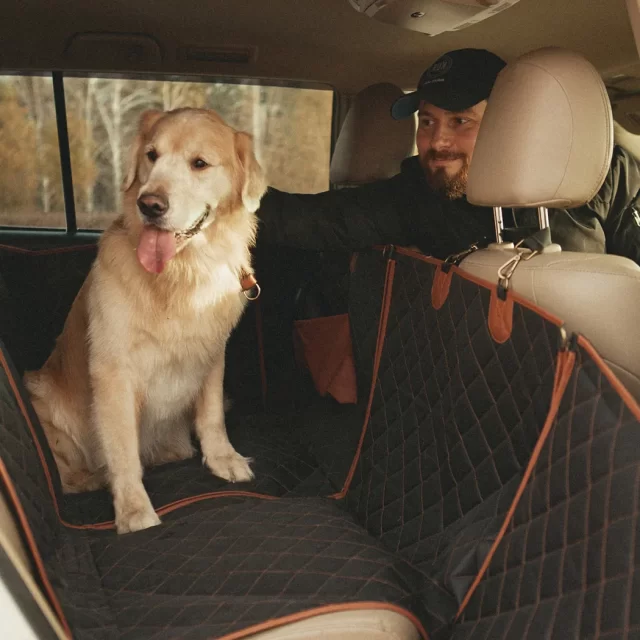
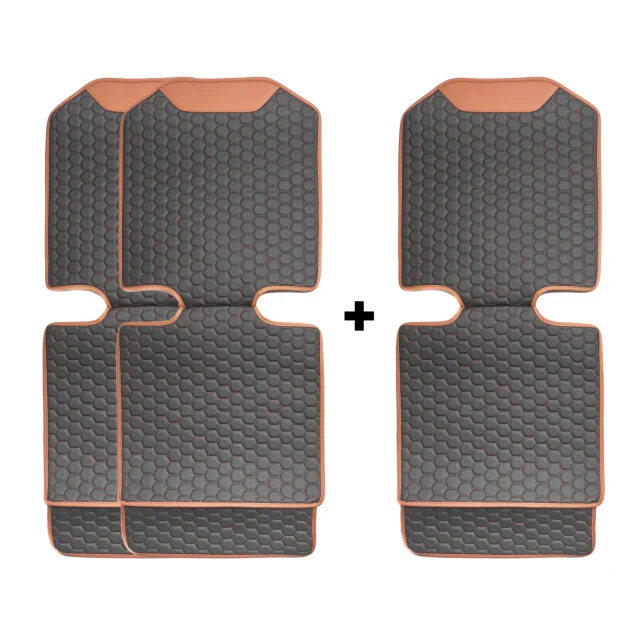
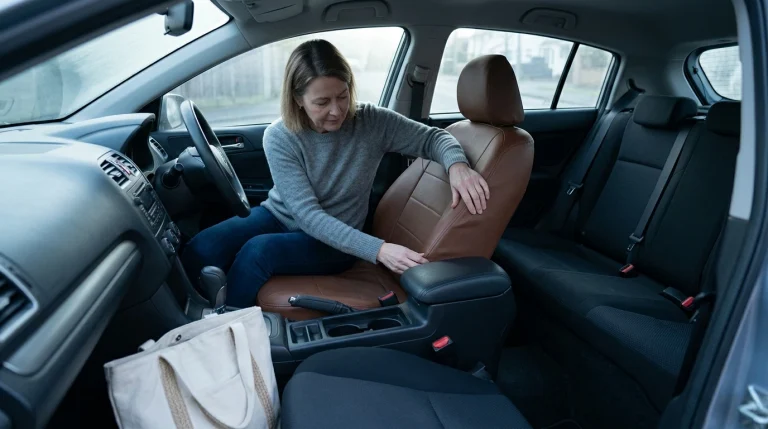
The Travel Buddy Mk. II Dog Hammock works alongside the ramp and keeps the back seat covered, so shed dog fur lands on a washable surface instead of the car upholstery.
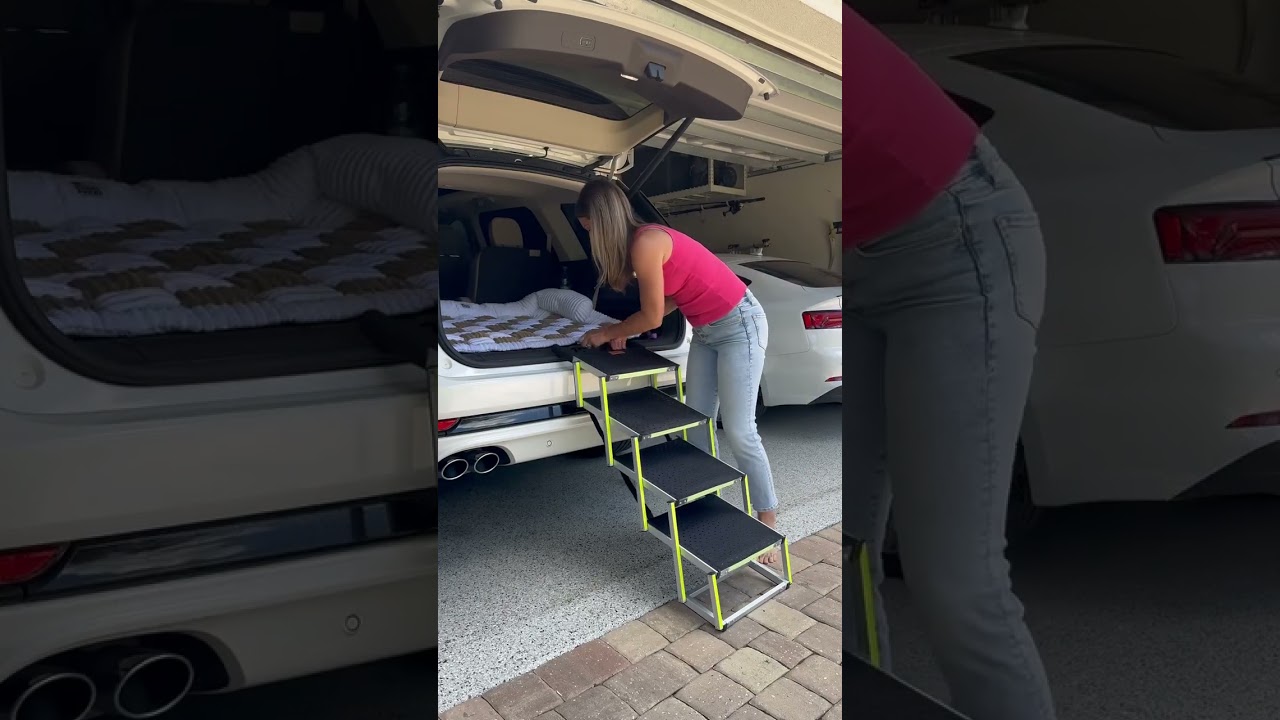
“Works well with my ford explorer, not so much with my compact car. It’s a bit too bulky for smaller vehicles but great for larger ones. My dog feels secure using this car dog ramp, and I appreciate the adjustable features 👏👏”
How to use the dog ramp
FAQ
Which is better for an arthritic dog, steps or ramps?
For an arthritic dog, ramps are usually better than steps because they reduce repeated joint flexion and impact. Choose a ramp with a gentle slope, strong traction, and a stable base so the arthritic dog does not slip or strain while climbing.
Can you put a ramp over stairs for a dog?
Yes, you can put a ramp over stairs for a dog if the ramp is designed for that setup and can be secured safely. The ramp should cover the stairs evenly, have a non-slip surface, and stay firmly in place without rocking or sliding.
What is the best dog ramp or stairs for a bed?
The best dog ramp or stairs for a bed depends on bed height, floor space, and your dog’s mobility. A ramp is usually better for dogs with joint issues, while sturdy stairs with wide, grippy steps can work for healthy dogs that climb comfortably.

Leave a comment