
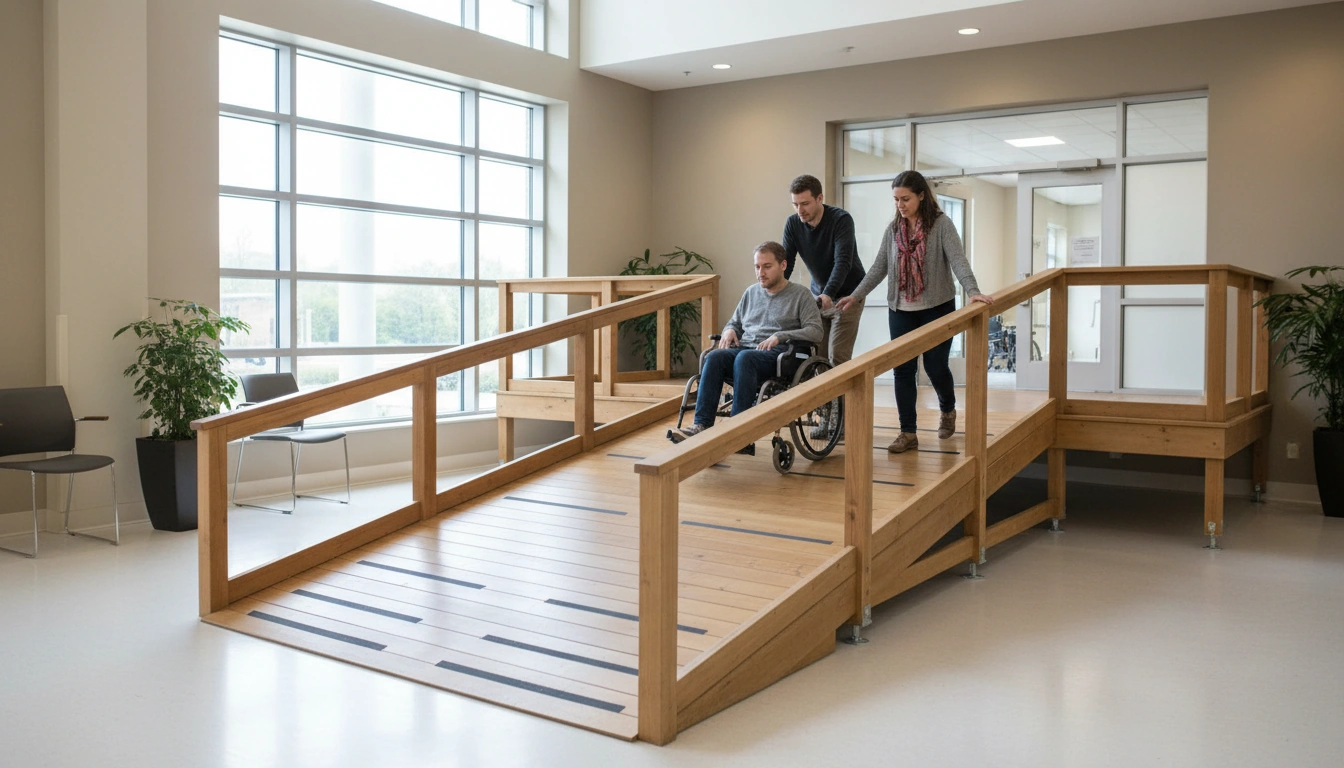
Is 1/10 Too Steep for a Ramp?
A 1/10 ramp slope means the ramp rises 1 inch for every 10 inches of horizontal run, which equals a 10% grade. For many everyday uses, that is considered fairly steep, especially if the ramp is for wheelchairs, walkers, heavy carts, or a dog that is nervous, senior, recovering, or short-legged.
For loading a dog into an SUV or truck, a 1/10 slope may be usable if the ramp has strong traction, side rails, and enough length for the vehicle height. Measure from the ground to the cargo floor, then multiply that rise by 10 to estimate the minimum ramp run for a 1/10 slope.
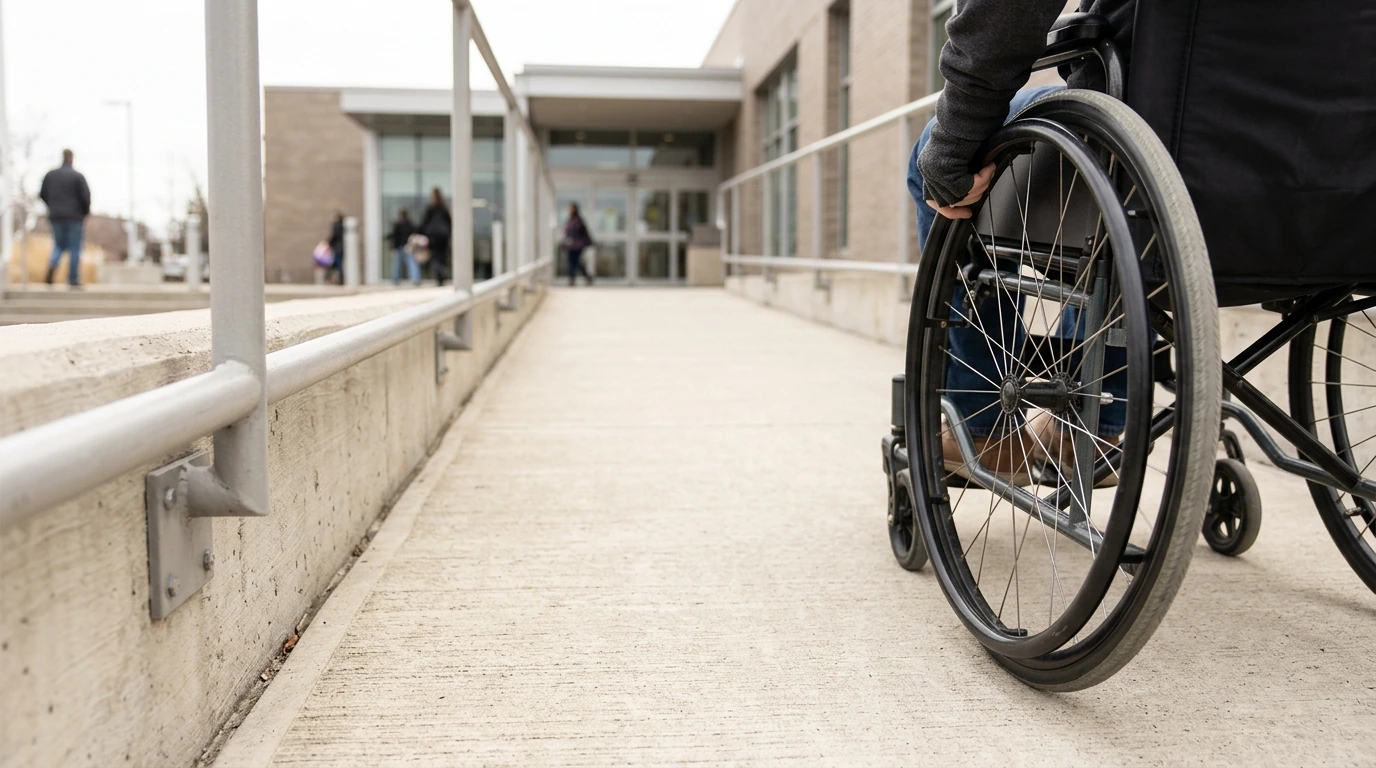
When a 1/10 Ramp May Be Too Steep
A 1/10 ramp can feel too steep when the user has limited strength, poor balance, joint pain, or hesitation on angled surfaces. Dogs may slow down, jump off the side, or scramble with their back legs if the walking surface is slick or the incline feels too sharp.
As a practical check, watch for slipping paws, crouched posture, refusal to climb, or rushing downhill. If any of these happen, use a longer ramp, lower the vehicle entry point when possible, or add a high-grip surface made from rubber, textured plastic, or anti-slip tread.
How 1/10 Compares With Gentler Ramp Slopes
A 1/12 slope, about 8.33%, is gentler than 1/10 and is commonly referenced for accessible ramp planning. A 1/16 or 1/20 slope is even easier to walk up, but it requires more horizontal space and a longer ramp.
For vehicle loading, ramp length matters because cargo floors on SUVs and trucks are often much higher than porch thresholds. If your cargo floor is 24 inches high, a 1/10 ramp would need about 240 inches of run, or 20 feet, to maintain that slope.
What to Check Before Using a 1/10 Dog Ramp
Check the ramp’s weight rating, folded length, surface grip, and compatibility with your rear bumper, hatch, or tailgate. The ramp should sit securely without rocking, and the upper contact point should not slide against painted trim or plastic cargo edges.
For dogs, choose a ramp wide enough for a natural stance and long enough to reduce the angle as much as storage space allows. You can find more vehicle-specific guidance in this tailgate car dog ramp guide for safer SUV and truck loading.
How to Make a Steep Ramp Safer
If a 1/10 ramp is the only practical option, add traction and control before increasing speed. Use a textured walking surface, keep the ramp dry, and guide your dog with a harness instead of pulling from the collar.
Practice on flat ground first, then on a low curb, and only then at the vehicle height. Reward slow, straight steps and block side exits with your body or a ramp with raised edges.
Bottom Line on a 1/10 Ramp
A 1/10 ramp is not automatically unsafe, but it is steep enough to require caution. It is usually less suitable for wheelchair access and may be challenging for dogs with mobility issues or for high SUV and truck cargo areas.
If safety and comfort are the priority, choose the longest ramp that fits your vehicle and storage space. Confirm the slope with a tape measure, test traction with dry shoes or paws, and supervise every use until the ramp feels routine.
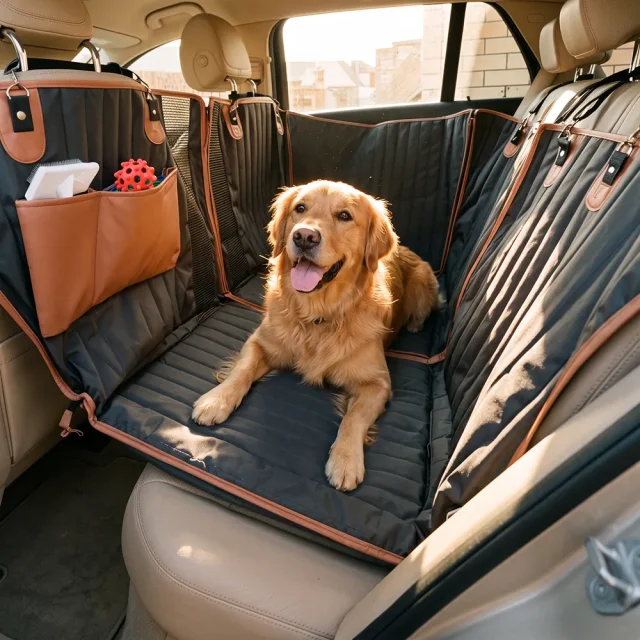
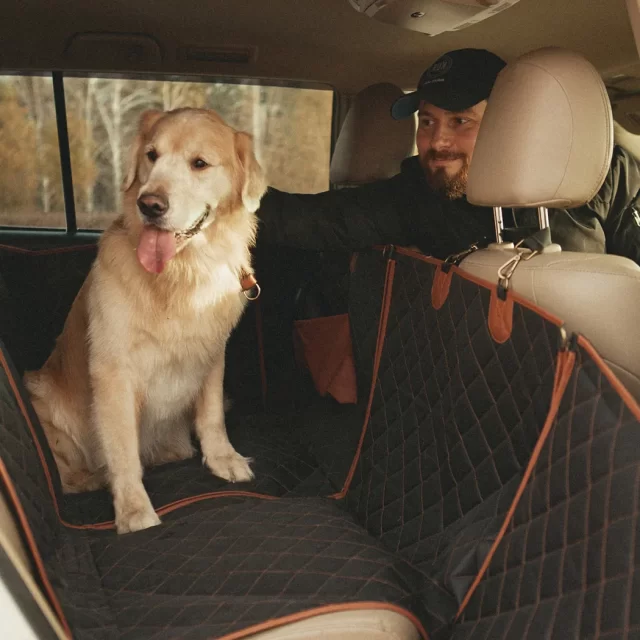
The Travel Buddy Mk. II Dog Hammock works alongside the ramp; it keeps the back seat covered, so shed dog fur lands on a washable surface instead of the car upholstery.
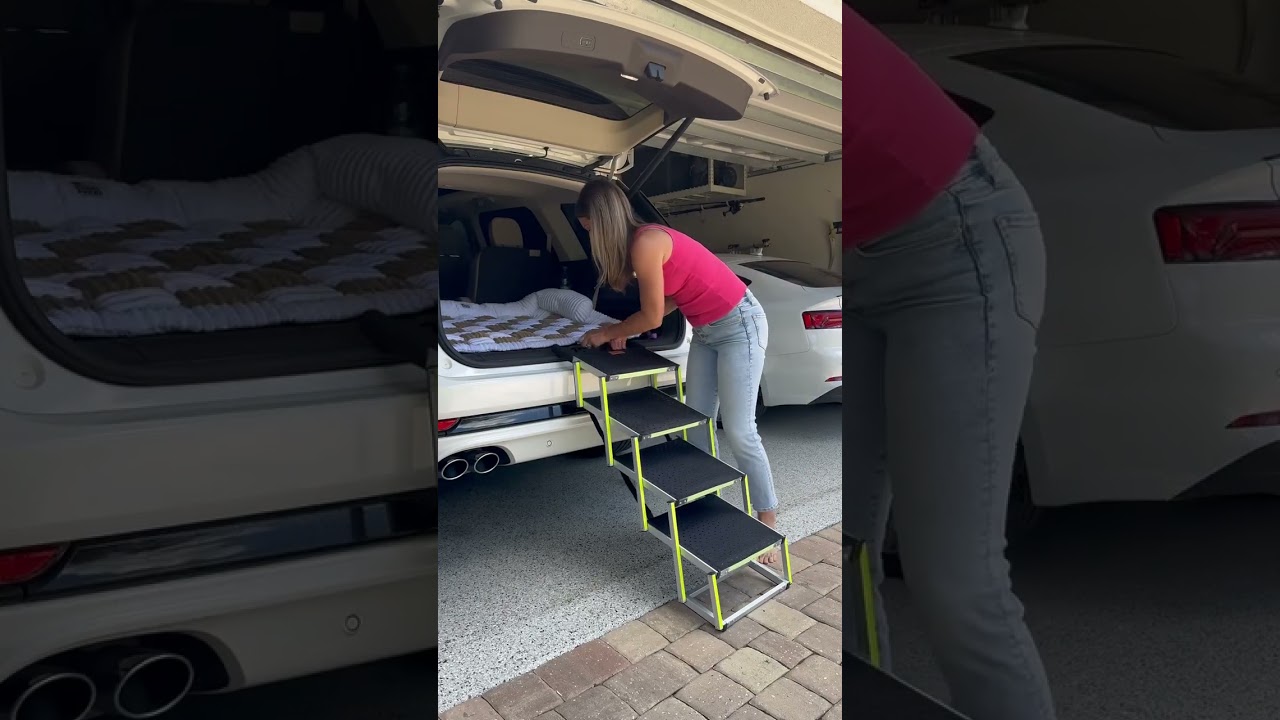
“Works well with my ford explorer, not so much with my compact car. It’s a bit too bulky for smaller vehicles but great for larger ones. My dog feels secure using this car dog ramp, and I appreciate the adjustable features 👏👏”
How to use the dog ramp
FAQ
How to calculate ramp angle?
To calculate ramp angle, measure the vertical rise and the horizontal run, then use the formula angle = arctangent(rise ÷ run). For a 1/10 ramp, rise divided by run is 0.10, which equals an angle of about 5.7 degrees.
Is 5% slope a ramp?
A 5% slope can be a ramp if it is a built inclined surface used to move between two heights. A 5% slope means 5 units of rise for every 100 units of run, which is gentler than a 1/10 ramp because 1/10 equals a 10% slope.

Leave a comment