
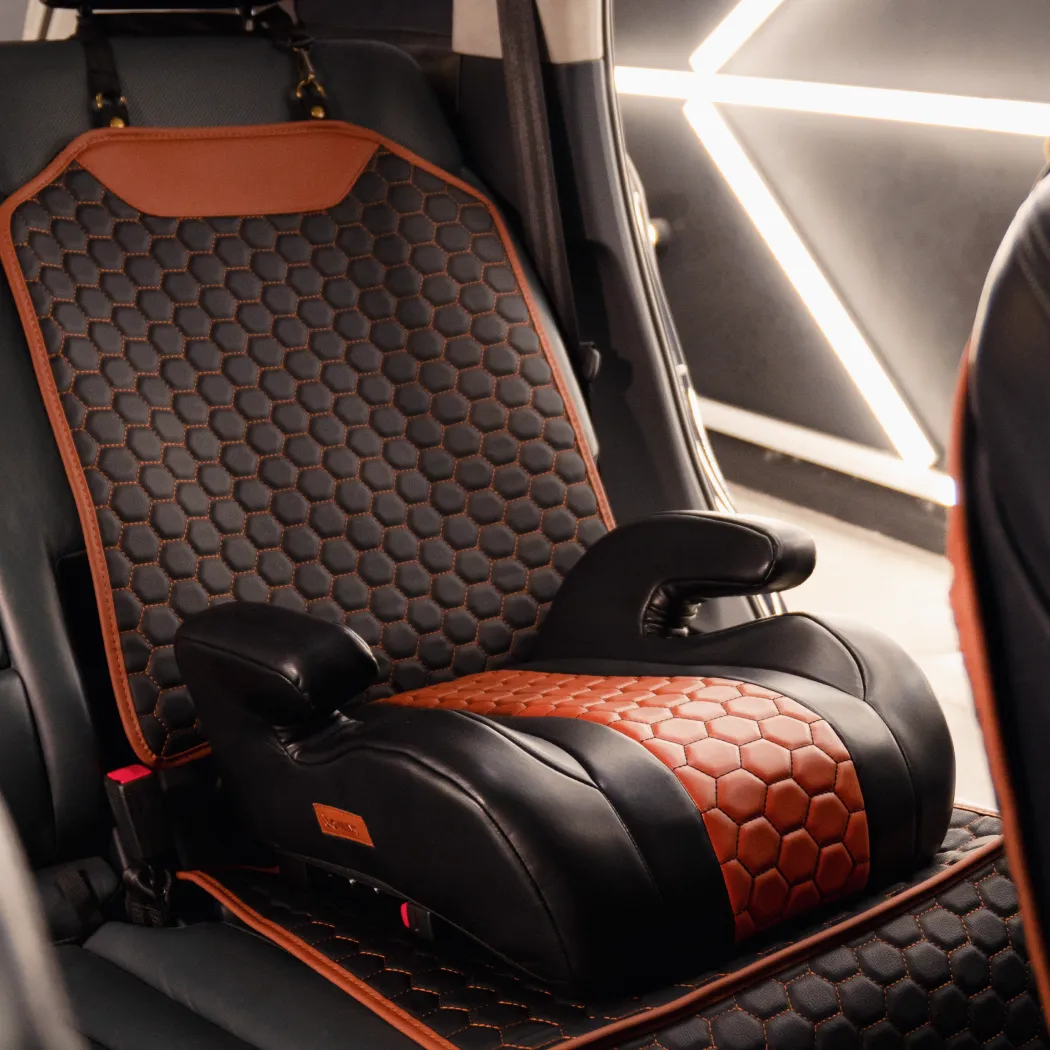
 Backless Booster Seat with LATCH | “Snug Bug” by Owleys
$157.2View product
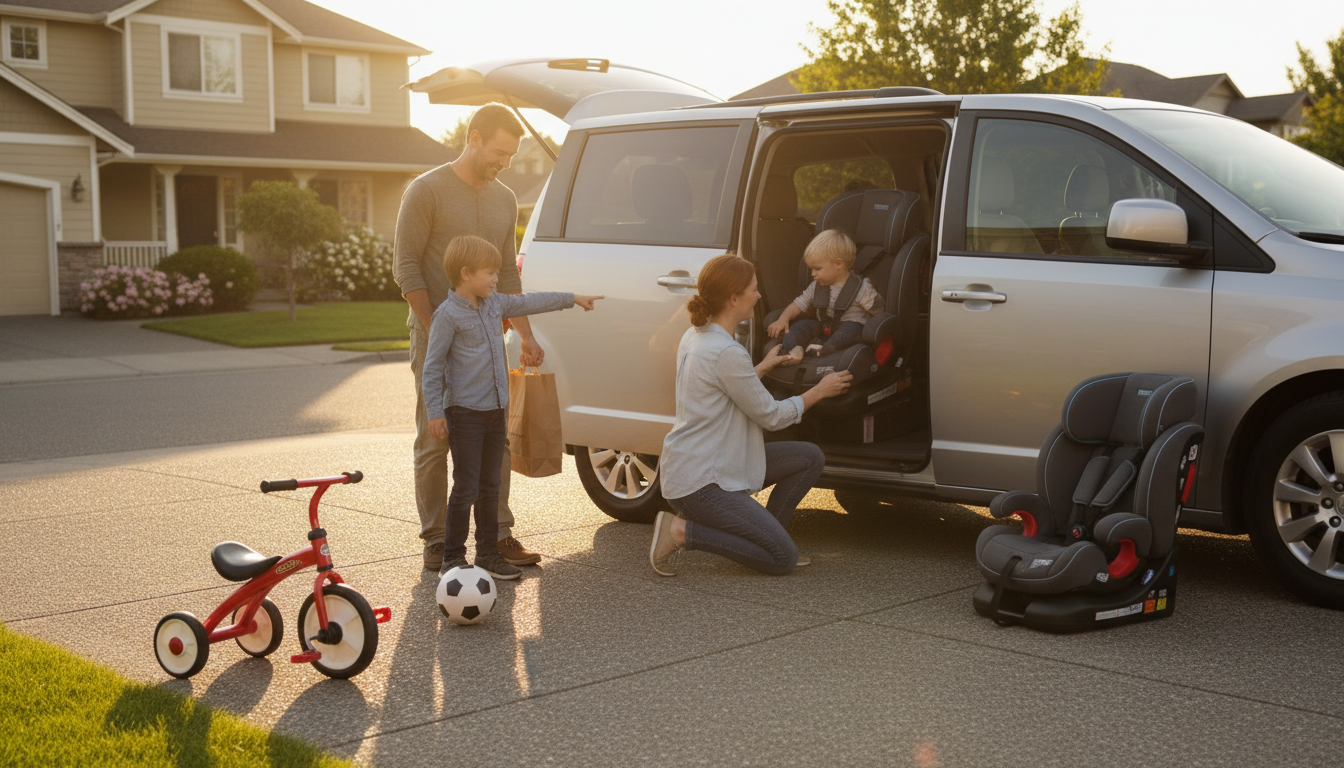
There isn’t one single booster car seat that’s always “highest rated” for every child, vehicle, and budget. Ratings vary by who’s doing the scoring (retailers, parent reviews, independent testers), and what they prioritize (ease of use, comfort, cleaning, or belt fit). The most reliable way to land on a top-rated option is to focus on what matters most for safety and day-to-day success: correct fit in your specific car and correct use on every ride.
When people talk about a “highest rated” booster, they’re usually describing a seat that consistently earns strong feedback for:
Start with your child’s height and weight and match them to the booster’s limits. Then decide between a high-back booster (helpful when your vehicle lacks head support or for kids who need more guidance) and a backless booster (compact and convenient when the vehicle seat provides head support and the belt fits well).
Next, do a quick test sit in your vehicle. With your child seated naturally, confirm the lap belt is low and snug across the upper thighs and the shoulder belt stays centered on the chest and shoulder. If the belt doesn’t route correctly, even a widely praised booster may not be the right one for your setup.
For practical guidance on belt fit, booster placement, and when LATCH matters, see this detailed guide: Backless Booster Seat Fit, Safety, LATCH & Belt Tips.
Check that the lap belt sits low on your child’s hips (not the belly) and the shoulder belt crosses the middle of the shoulder (not the neck or slipping off). Make sure the booster sits flat and stable on your vehicle seat and the belt feeds smoothly through the guides without twisting.
Subscribe for Owleys product launches, fresh car accessories, and exclusive Adventure Club savings up to 30% OFF.

Choose the adventure that speaks to you and receive tailored recommendations from the Owleys Adventure Club.
Get ready for exclusive member discounts, early access to new products, special gifts, and travel inspiration from the Owleys team.
Your guide will arrive within 5 minutes.Please ensure all fields are completed correctly.
error
Leave a comment