
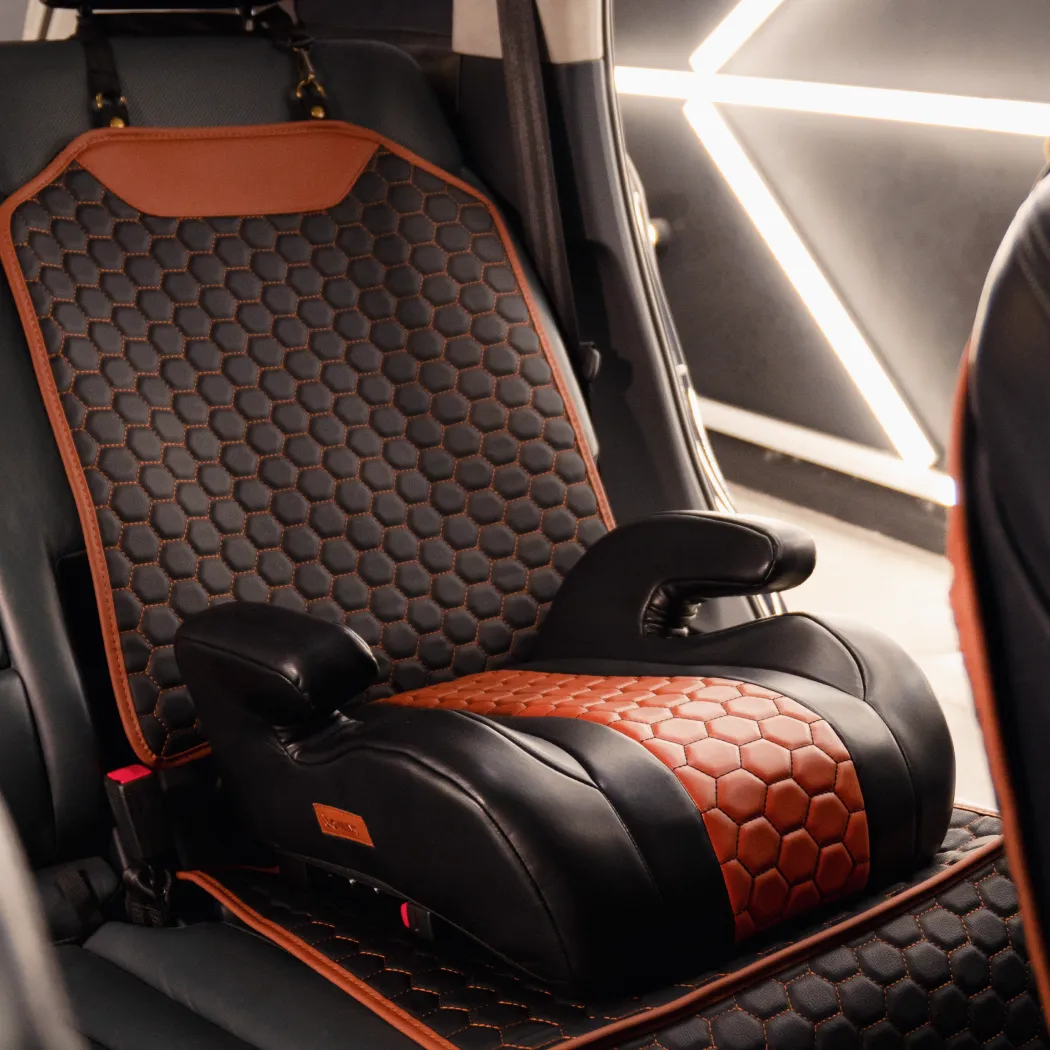
 Backless Booster Seat with LATCH | “Snug Bug” by Owleys
$157.2View product
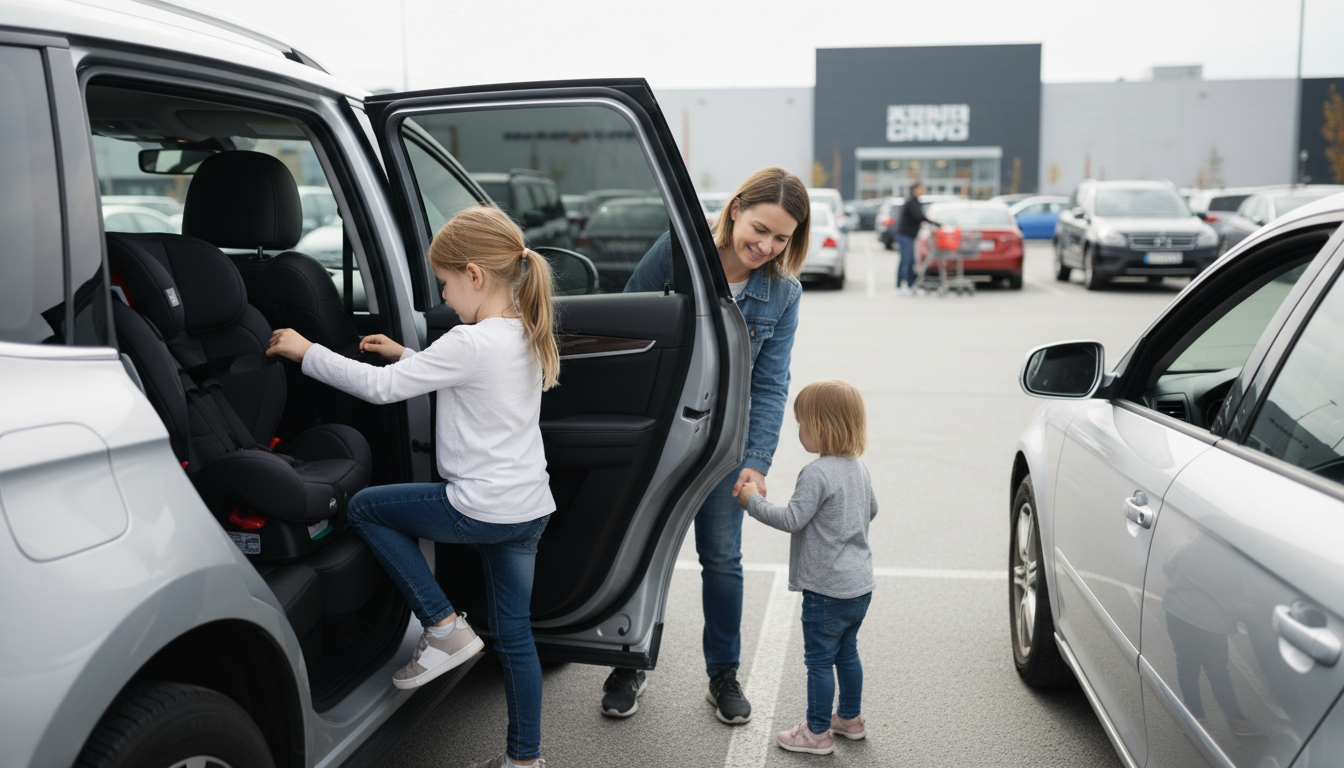
A child can usually move into a backless booster seat once they’re mature enough to sit properly 100% of the ride and they meet the booster’s minimum height and weight limits. For many kids, that point is often around 5–7 years old and at least 40 lb, but age alone isn’t a reliable measure—fit and behavior matter more than the birthday.
Most children should ride in a forward-facing car seat with a harness until they outgrow it by height or weight. A backless booster doesn’t restrain the child the way a harness does—it positions the vehicle’s seat belt so it can protect them correctly—so it’s best for kids who have already outgrown a harnessed seat and can follow the “no slouching, no leaning” rules.
Consider a backless booster if your child can:
Backless boosters only work when the vehicle belt lands where it should. The shoulder belt should cross the middle of the chest and shoulder (not the neck or face), and the lap belt should lie flat and snug across the upper thighs. Many backless boosters include a shoulder belt guide—use it if needed to improve belt placement.
A backless booster is typically appropriate when the vehicle seat provides adequate head support (at least up to the tops of the ears). If head support is lacking, a high-back booster may be the safer choice for that seating position.
For more specifics on fit checks, belt routing, and everyday safety tips, see the full guide: https://owleys.com/guide-backless-booster-seat-fit-safety-latch-belt-tips/.
Your child is ready when they can sit upright the entire ride without slouching or leaning, keep the shoulder belt on the shoulder and the lap belt low on the hips, and stay properly positioned even when asleep. They should also meet the booster’s minimum height and weight limits and fit well in your vehicle seat.
Subscribe for Owleys product launches, fresh car accessories, and exclusive Adventure Club savings up to 30% OFF.

Choose the adventure that speaks to you and receive tailored recommendations from the Owleys Adventure Club.
Get ready for exclusive member discounts, early access to new products, special gifts, and travel inspiration from the Owleys team.
Your guide will arrive within 5 minutes.Please ensure all fields are completed correctly.
error
Leave a comment