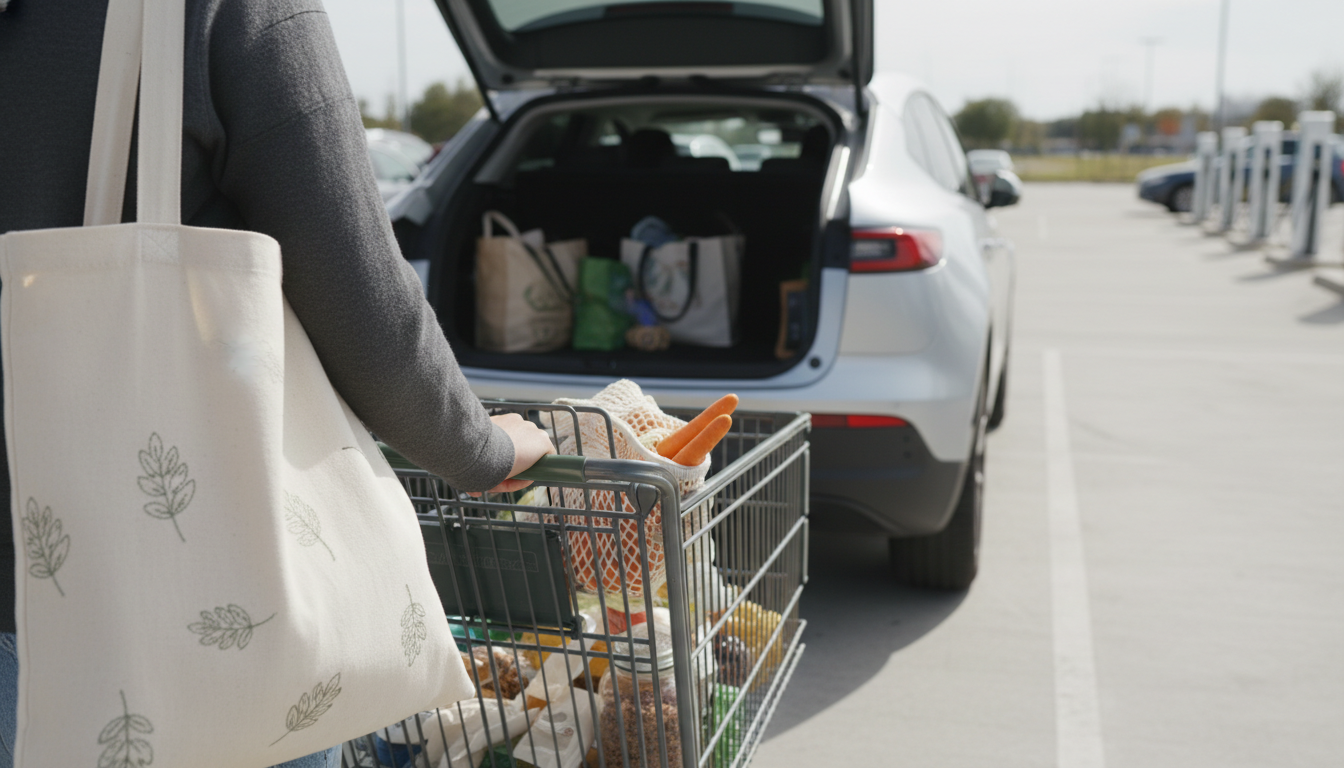
The most environmentally friendly bag is the one that gets reused the most. In practice, that usually means a durable, repairable tote—often made from recycled materials or sturdy natural fibers—that can replace hundreds of single-use bags over its lifetime. Environmental impact isn’t just about what a bag is made from; it’s also about how long it lasts, how it’s cleaned, and whether it can be recycled or composted at the end.
For everyday shopping and errands, a high-quality reusable bag (used consistently) typically outperforms disposable paper and plastic. Paper can be recyclable and biodegradable, but it’s energy- and water-intensive to produce and tears easily, which can lead to more frequent replacement. Single-use plastic is lightweight and has a lower manufacturing footprint per bag, but it’s often used once and can persist in the environment for decades if it escapes waste systems.
Look for bags designed for long-term use: thick recycled PET (made from plastic bottles), recycled polypropylene, or heavy-duty cotton/canvas used repeatedly over many trips. Recycled synthetics often deliver strong durability with a lower “new material” demand, while natural fibers can be a good option if the bag is built to last and actually gets reused.
Focus on these practical signals:
If choosing between options feels confusing, pick a bag you’ll reliably keep in your car, backpack, or by the door—and use it until it’s truly worn out. The most sustainable choice is usually the one that prevents repeated purchases and repeated waste.
For another example of how thoughtful material choices and durability matter, see this guide on eco-minded materials: https://owleys.com/guide-harlow-eco-leather-seat-covers-breathable-suede-comfort/.
A sturdy reusable bag that you’ll use frequently is typically the most eco-friendly option. Prioritize durability (strong handles and seams) and choose recycled-content materials or long-lasting natural fibers to maximize the number of trips per bag.
A long-lasting reusable tote is usually the best alternative because it can replace many single-use plastic bags. If disposables are unavoidable, recycled paper can be preferable in some areas, but only when it’s used for a purpose (like recycling) and properly recycled afterward.


Subscribe for Owleys product launches, fresh car accessories, and exclusive Adventure Club savings up to 30% OFF.

Choose the adventure that speaks to you and receive tailored recommendations from the Owleys Adventure Club.
Get ready for exclusive member discounts, early access to new products, special gifts, and travel inspiration from the Owleys team.
Your guide will arrive within 5 minutes.Please ensure all fields are completed correctly.
error


Leave a comment